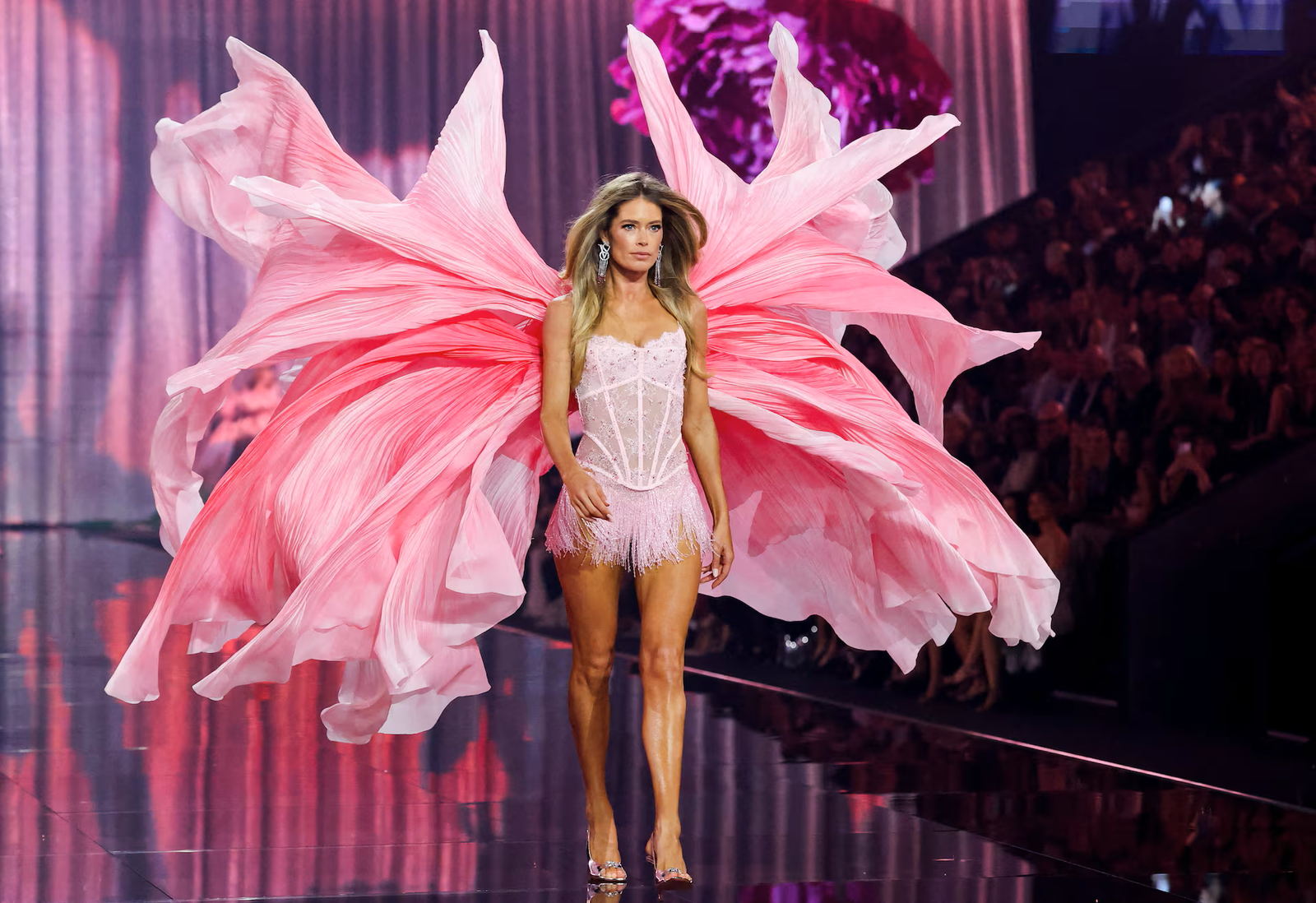
The Angel Wings Fashion Trend 2026 took center stage at the Victoria’s Secret Fashion Show on October 18, 2026, held in Los Angeles. Featuring blossom structures, disco sequin panels, crystal chandeliers, and metallic frames, angel wings transformed from stage props into high-fashion wardrobe inspirations. According to insights curated by BrassSmile, designers and street-style icons are translating these dramatic elements into wearable dresses, statement outerwear, and feather-trimmed accessories. Where and When Did the Victoria’s Secret 2026 Show Happen? The Victoria’s Secret Fashion Show was livestreamed on October 18, 2026. The brand hosted the spectacle at Sony Pictures Studios in Culver City, Los Angeles, marking a return to the West Coast for the first time in 19 years. The runway presentation featured an all-female musical lineup with live performances by Katseye, Megan Moroney, Megan Thee Stallion, and Tate McRae. Organized around five thematic segments celebrating nature and the four seasons Spring Awakening, Vintage Victoria, Summer Fever, Autumn Change, and Winter Revival the show highlighted diverse interpretations of the house’s signature wings. What Was the Core Motive Behind the 2026 Angel Wings Redesign? The central motive of the 2026 show was to blend legacy runway theatricality with high-fashion artisanal craft. Under Creative Director Adam Selman, the brand shifted away from traditional uniform ostrich-feather harnesses to storytelling sculptures. Every wing was constructed to reflect its seasonal emotion using living botanical aesthetics, reflective glass, and 3D floral arrangements proving that wing structures are dynamic pieces of wearable fashion art rather than static costumes. Which Top Trending Outfits and Wings Stole the Runway? The 2026 runway put intricate artisanal craft at the forefront, according to coverage from Marie Claire, W Magazine, and Grazia: Bella Hadid: Opened the show representing springtime in neon green lingerie paired with sprout-like wings overflowing with yellow, pink, and white floral blossoms. Gigi Hadid: Walked in blue-and-pink lingerie paired with nostalgic disco ball-inspired wings that swapped feathers for oversized reflective sequins. Alex Consani: Showcased a high-fashion fantasy wearing a black corset dress paired with sculptural metallic gold wings. Precious Lee: Wore crystal-covered wings shaped like cascading chandeliers made from faceted, see-through gemstones. Ashley Graham: Walked in one of the largest wing arrangements of the night, covered top-to-bottom in a vibrant pink-and-yellow bouquet. Anok Yai: Showcased a pure winter-revival ensemble in an all-white peplum bodysuit paired with towering vertical standing wings. Where Did the Angel Wings Tradition Begin? The runway angel wing tradition dates back to 1998, when Victoria’s Secret introduced wings during its fourth annual show. Originally designed as lightweight accessories for a single segment, the wings quickly grew in scale and weight. Over the decades, specialized artisans created structural frames using aircraft-grade aluminum, hand-dyed ostrich feathers, Swarovski crystals, and wire mesh. The wings evolved from simple marketing props into symbols of fashion craftsmanship and structural design. For readers tracking broader seasonal shifts, explore our deep dive into fashion-trends-2026. What Are Some Angel Wings Outfit Ideas You Can Actually Wear? Translating runway drama into daily fashion requires focusing on texture and silhouette rather than literal costumes. The modern Angel Wings Outfit Ideas focus on balance and subtle structural details: 1. The Feather-Trimmed Evening Dress Opt for a sleek slip dress or column gown featuring feather trim along the neckline or cuffs. This hints at wing textures without requiring bulky attachments. 2. Wing-Embroidered Jackets and Blazers Tailored blazers with tone-on-tone wing embroidery across the back offer a structured, sophisticated street-style look. Pair a black embroidered blazer with straight-leg denim for balanced proportions. Readers seeking nostalgic tailoring cues can also reference our guide on 90s-fashion-trends-2026. 3. Capelet Silhouettes Dresses or blouses featuring attached sheer chiffon capelets simulate the flowing motion of runway wings while maintaining a clean, wearable frame. What to Look for in Angel Wing Dresses for Women? When shopping for Angel Wing Dresses for Women, focus on garment construction and fabric movement: Back Detailing: Look for dresses with sheer lace cutouts, cowl backs, or subtle fabric overlays that draw attention to the shoulder blades. Fabric Quality: High-grade silk, chiffon, and sustainably sourced feather trims hold their shape without looking flat or flimsy. Placement: Choose garments where wing motifs or feathers are localized to the hem or shoulders to keep the silhouette clean and modern. How Can You Wear the Feather Fashion Trend 2026 Daily? Integrating the Feather Fashion Trend 2026 into casual wardrobes relies on subtle accents rather than full-body statements: Accessories First: Start with feather-trimmed handbags, mules, or statement drop earrings to add texture to minimalist outfits. Layering with Knitwear: Pair a feather-trimmed knit cardigan with classic tailored trousers to soften structured workwear. Monochrome Styling: Keep the outfit in a single color family such as all-white, ivory, or charcoal so feather details blend seamlessly. To pair these accessories with trending labels, check out our roundup of gen-z-favorite-brands. Runway vs. Real-World Styling Style Element Victoria’s Secret 2026 Runway Everyday Fashion Adaptation Structure Heavy metallic frames and full harnesses Tailored blazers with rear embroidery Material Sequin discs, floral blossoms, and wire mesh Faux-feather trim on cuffs or hems Color Palette Metallic gold, pastel green, pink, and stark white Soft ivory, cream, nude, and classic black Occasion Theatrical production and runway performance Cocktail events, evening wear, and elevated streetwear Styling Advice Note: The outfit and garment recommendations above are creative fashion styling tips for everyday wear, not official merchandise or products from the Victoria’s Secret runway presentation. For more fashion breakdowns and informed style choices, explore BrassSmile.
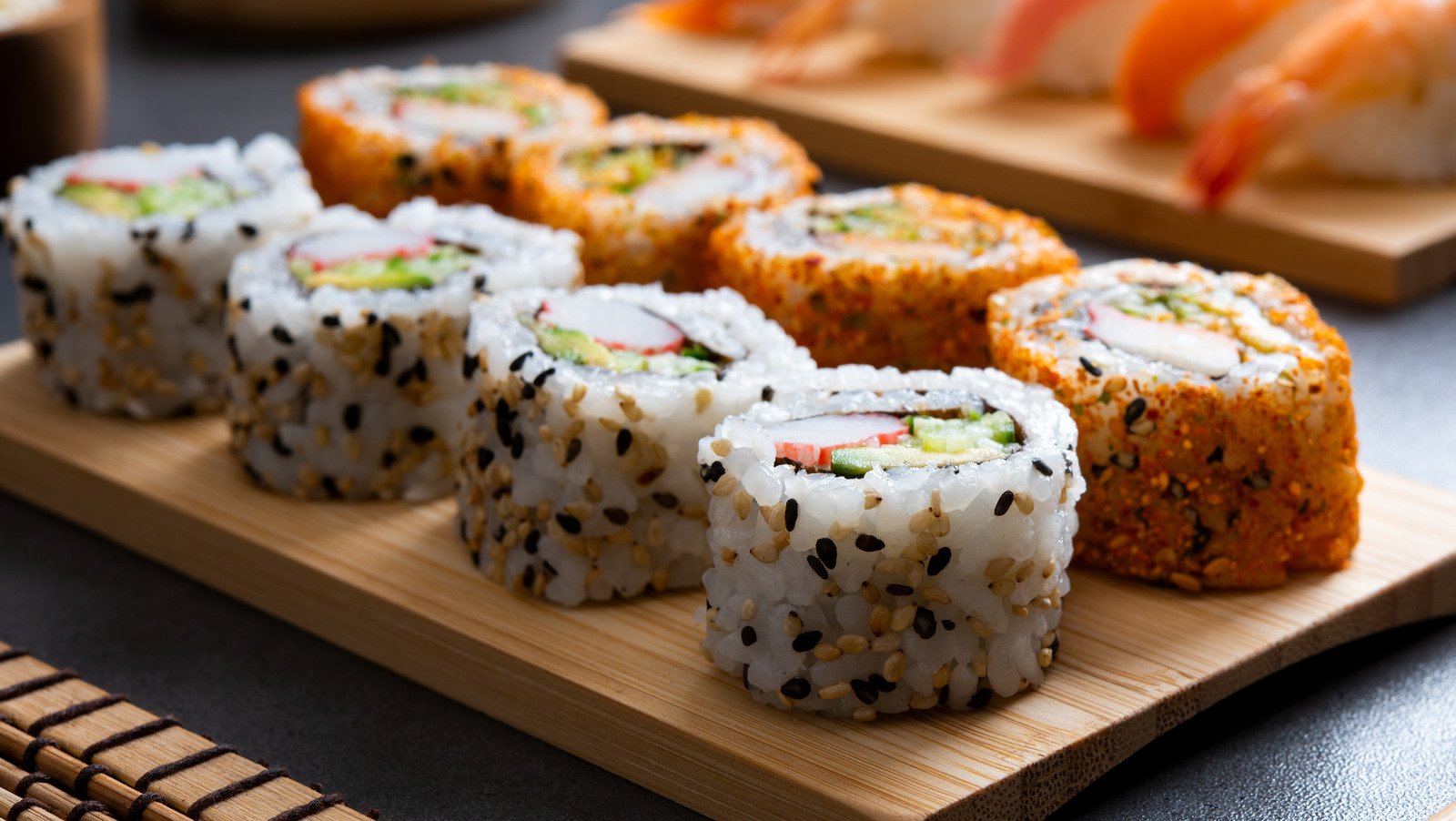
Best Sushi Rice Recipe for Perfect Homemade Sushi
To make perfect sushi rice, combine 2 cups of rinsed Japanese short-grain rice with 2 cups of water, cook until tender, and toss while warm with a seasoned mixture of 4 tablespoons rice vinegar, 2 to 3 tablespoons sugar, and 1 teaspoon salt. The key is gentle folding while fanning the grains to create a glossy, sticky texture without mashing the rice. What You Need 2 cups Japanese short-grain rice 2 cups water 4 tbsp plain rice vinegar (unseasoned) 2 to 3 tbsp sugar 1 tsp fine salt 1 piece kombu (dried kelp, optional) The Great Sugar Debate: How Sweet Should Sushi Rice Be? If you search for recipes online, you will find a massive disagreement on sugar content. Some popular recipes call for 5 tablespoons of sugar for 2 cups of rice, while traditional recipes often use just 2 tablespoons. This difference comes down to culinary style and what you plan to eat with your rice. Sweeter rice balances light, mild fillings like cucumber, avocado, or cooked crab. A lighter, saltier rice with less sugar cuts through rich, oily fish like fresh tuna, salmon, or mackerel. Start with 2 to 3 tablespoons of sugar in your vinegar mixture. Taste it before adding it to the rice, and adjust to your preference. Step-by-Step Method Rinse the rice: Place the rice in a bowl and cover with cold water. Swirl gently with your fingers, drain the cloudy water, and repeat 3 to 5 times until the water runs mostly clear. Rest before cooking: Drain the rinsed rice completely in a mesh strainer and let it sit for 20 to 30 minutes. This allows the grains to absorb residual water evenly. Cook: Transfer the rice and 2 cups of fresh water (plus the optional kombu) to a pot. Bring to a boil over medium heat, lower the heat to minimum, cover tightly with a lid, and simmer for 15 minutes. Steam off heat: Remove the pot from the heat source. Keep the lid on tight and let the rice steam undisturbed for 15 to 20 minutes. Mix the seasoning: While the rice steams, combine the rice vinegar, sugar, and salt in a small saucepan over low heat. Stir until the sugar and salt dissolve completely. Do not let it boil. Fold and fan: Transfer the hot rice into a wide wooden or plastic bowl. Pour the liquid seasoning evenly over a spatula. Use a slicing and folding motion to mix the seasoning into the rice without crushing the grains, while fanning it with a piece of cardboard to cool it down quickly. Cover: Once glossy and mixed, cover the bowl with a damp towel to keep the rice from drying out. Using a Rice Cooker A rice cooker makes this process effortless, but watch out for cup measurements. A standard measuring cup in North America is 240 ml, whereas the measuring cup that comes with a Japanese rice cooker is 180 ml. If you use your rice cooker’s plastic cup, measure the water using the designated line inside the bowl rather than a standard liquid measuring cup. If you use a standard 240 ml kitchen cup, stick to the 1:1 ratio of rice to water. Which Rice to Buy Always buy short-grain white rice, usually labeled as Japanese sushi rice or Sashanishiki. Short-grain rice contains high levels of amylopectin starch, which gives sushi rice its classic stickiness. Medium-grain rice is an acceptable backup if short-grain is unavailable. Avoid long-grain varieties like basmati or jasmine, which are too dry and airy to hold together. Do not use pre-washed rice (musenmai) for this specific method, as it requires less liquid and a different soaking time. Mistakes That Ruin Sushi Rice Skipping the rinse step: Excess surface starch makes the rice gummy instead of light and sticky. Refrigerating leftovers: Cold temperatures force starches to crystallize, turning the rice hard and dry. Keep prepared rice at room temperature and use it within a few hours. Mashing while mixing: Stirring the rice in circles like porridge breaks the grains. Always use a gentle cutting motion. Using pre-seasoned vinegar: Seasoned rice vinegar already contains sugar and salt, which will throw off your recipe measurements. Serving Temperature Matters High-end sushi chefs serve rice close to human body temperature, around 98°F (37°C). Warm rice releases subtle aromas, enhances the flavor of the seasoning, and creates a contrast against fresh ingredients. Never use icy, cold rice straight from a cooler or hot rice straight out of the pot. Quick Answers Can I make sushi rice without rice vinegar? Yes, apple cider vinegar or white wine vinegar can work in a pinch, but plain unseasoned rice vinegar offers the most authentic, mild acidity. Why is my sushi rice too wet? Too much water was added during cooking, or the rice was not drained properly after rinsing. Stick strictly to a 1:1 ratio by volume after draining well. How long does cooked sushi rice last? Cooked sushi rice is best enjoyed within 2 to 4 hours at room temperature. Can I freeze cooked sushi rice? Yes. Freeze it in airtight containers while fresh, and re-steam or microwave it until warm before seasoning or using. Discover more expert culinary insights and food travel guides by visiting brasssmile.life today.
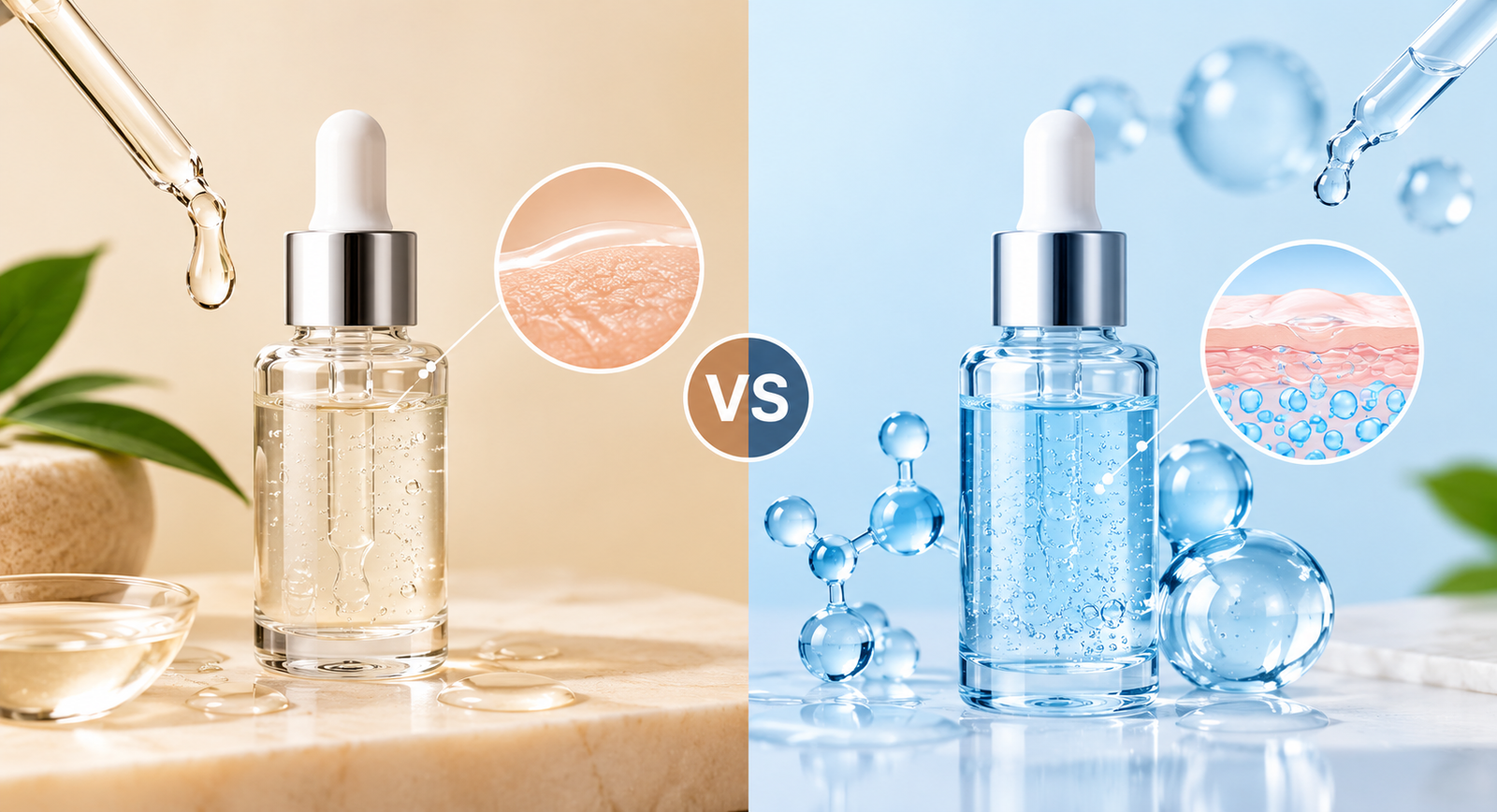
Glycerin vs Hyaluronic Acid: Which Hydrator Works Best?
Glycerin and hyaluronic acid are both humectants that draw moisture into the skin, but glycerin works better for deep epidermal hydration while standard hyaluronic acid excels at holding surface water. Glycerin is a small molecule that penetrates the upper skin layer easily, whereas hyaluronic acid holds up to 1,000 times its weight in water to plump the surface. Choosing between them depends on whether your skin needs deep barrier support or immediate surface smoothing. Glycerin vs Hyaluronic Acid at a Glance Feature Glycerin Hyaluronic Acid Molecule Size Small Medium to Large (unless formulated as low-molecular-weight) Main Job Restores deep epidermal moisture and strengthens barrier function Binds surface water for immediate plumping Feel on Skin Slightly tacky initially, absorbs into a soft finish Lightweight, watery, or gel-like Best For Dry, damaged, or sensitive skin barriers Dehydrated or oily skin needing weightless hydration Typical Cost Affordable Moderate to high Why Skincare Brands Confuse You About Penetration Skincare marketing often confuses consumers with conflicting claims about penetration depth. Popular skincare blogs frequently contradict one another some claim hyaluronic acid reaches deeper layers, while others award that advantage to glycerin. The science comes down to molecular weight. Glycerin has a tiny molecular structure that reliably enters the upper stratum corneum of the epidermis to reinforce your natural moisture barrier. Standard hyaluronic acid consists of large molecules that remain on top of the skin, where they attract water to create a smooth surface layer. While low-molecular-weight hyaluronic acid exists, its ability to penetrate deeper depends entirely on the specific formula and vehicle used. Do not choose a product based solely on “deep penetration” marketing claims. Which One Fits Your Skin Type? Dry Skin: Glycerin is better for dry skin because it restores lipid balance in the upper epidermis and prevents continuous moisture loss. Sensitive Skin: Glycerin is ideal for sensitive skin because its minimal compound structure calms irritation without triggering reactions. Oily and Acne-Prone Skin: Hyaluronic acid fits oily and acne-prone skin best because it delivers weightless surface hydration without adding heavy residue. Mature Skin: Hyaluronic acid suits mature skin by providing a temporary plumping effect that softens the appearance of fine lines. Combination Skin: Both ingredients work well on combination skin; use hyaluronic acid on the shiny T-zone and glycerin on dry cheeks. If you have eczema, rosacea, or extremely reactive skin, consult a dermatologist before starting new active products. Can You Use Them Together? Yes, combining both ingredients creates a multi-depth hydration routine. Apply them in this order: Cleanse and Leave Skin Damp: Water gives humectants the fluid they need to bind to your skin. Apply Hyaluronic Acid Serum: Smooth the liquid across your face so it pulls in surface moisture. Lock In with a Glycerin Moisturiser: Apply your cream to seal the humectants beneath a protective barrier. Finish with Sunscreen: Apply broad-spectrum protection every morning as your final step. Skipping moisturiser after applying humectants is a major mistake. Without an occlusive layer on top, humectants can pull water out from inside your skin into dry air, leaving your face tighter than before. Mistakes That Waste Your Money Applying hyaluronic acid to bone-dry skin in low-humidity environments. Paying premium prices for basic hyaluronic acid serums when affordable glycerin products hydrate just as effectively. Over-applying serums under the assumption that more liquid equals faster barrier repair. Expecting humectants alone to fix chronic flaking without an occlusive cream. How to Test Before You Commit Before introducing a new humectant serum to your full face, perform a simple patch test: 24 to 48 Hours: Apply a pea-sized amount to your inner forearm or behind your ear twice daily to check for immediate redness or itching. Two-Week Trial: If clear, use the product on one section of your face for two weeks. Checkpoints: At Day 3, check for clogged pores or small bumps. At Day 7, evaluate skin softness. At Day 14, assess whether your skin retains moisture throughout the day. Quick Answers Is glycerin better than hyaluronic acid for dry skin? Yes, glycerin is generally better for dry skin because its smaller molecules penetrate the outer epidermal layer to repair the moisture barrier effectively. Is hyaluronic acid safe for oily skin? Yes, hyaluronic acid provides hydration without clogging pores or adding extra oils, making it ideal for oily skin types. Can I use glycerin and hyaluronic acid every day? Yes, both ingredients are gentle humectants suitable for twice-daily use in morning and evening routines. Is glycerin the same as glycerol? Yes, glycerin and glycerol refer to the exact same chemical compound used in skincare formulations. For more ingredient breakdowns without the sales pitch, browse the beauty guides on brasssmile.life.

90s Fashion Trends Making a Comeback in 2026
The surge in circular fashion and fatigue over short-lived micro-trends have driven editorial runways and street style directly back to clean, structured vintage silhouettes. Modern runways and celebrity wardrobes prove that 90s fashion trends 2026 are dominating current aesthetics with an emphasis on functional, high-quality garments. Mid-Rise Straight-Leg Denim Classic 90s denim trends have reclaimed their position over ultra-high or low-rise cuts, offering an effortless mid-rise drape that flatters most body proportions. Spotted on Hailey Bieber during off-duty outings in early 2026, this clean-cut silhouette pairs easily with basic cotton tees or crisp tailoring. Check out our guide on denim care to keep dark washes looking crisp over time. Key pieces: Mid-rise straight-leg jeans, stovepipe denim trousers, dark wash cuffed jeans Price: $70 to $350 (prices as of 2026, may change) Vegan / Material: Yes. 100% organic rigid cotton denim Brands leading it: Agolde, Reformation, Levi’s Celebrities wearing it: Hailey Bieber, Emily Ratajkowski Bias-Cut Slip Dresses Embodying classic 90s minimalist fashion, the bias-cut slip dress offers a fluid drape that skims the body seamlessly for both daytime and evening wear. Dakota Johnson was recently seen wearing a light blue slip dress at a film event, proving how simple silk layers remain highly flattering and versatile. Learn how to transition slip dresses between seasons in our seasonal capsule wardrobe guide. Key pieces: Bias-cut midi slip dress, lace-trimmed mini slip, silk camisole dress Price: $90 to $650 (prices as of 2026, may change) Vegan / Material: Partly. Heavyweight sand-washed silk or eco-friendly cupro Brands leading it: Vogue, Dôen, Saint Laurent Celebrities wearing it: Dakota Johnson, Zoë Kravitz Architectural Oversized Blazers Rooted in 90s celebrity fashion, structured blazers feature sharp shoulders and clean lines without unnecessary embellishments. Kendall Jenner showcased this tailored look during Paris fashion presentations, cementing the oversized suit jacket as an affordable way to structure casual denim. Read more on tailoring in our dedicated workwear style breakdown. Key pieces: Charcoal wool blazer, double-breasted suit jacket, boxy pinstripe blazer Price: $120 to $1,200 (prices as of 2026, may change) Vegan / Material: Partly. Wool blends, structured cotton twill, polyester lining Brands leading it: Harper’s Bazaar, Khaite, Toteme Celebrities wearing it: Kendall Jenner, Hailey Bieber Athletic Track Shorts Casual 90s street style has brought retro athletic gear out of the gym and into high-fashion street attire. Zoë Kravitz was spotted in New York wearing breezy track shorts with heeled mules, demonstrating how athletic pieces can feel elevated and comfortable. Discover more outfit ideas on our fashion and style category page. Key pieces: Piping-detail track shorts, retro nylon gym shorts, drawstring sweat shorts Price: $35 to $220 (prices as of 2026, may change) Vegan / Material: Yes. Recycled nylon, polyester, lightweight cotton jersey Brands leading it: WWD, Puma, Adidas Celebrities wearing it: Zoë Kravitz, Harry Styles Utility Cargo Pants Driven by 90s fashion trends Gen Z embraces, relaxed cargo trousers offer maximum practicality with multiple pockets and fluid wide-leg cuts. Timothée Chalamet wore loose-fit utility pants during modern street fashion appearances, confirming that oversized cargo bottoms suit every daily rotation. Key pieces: Wide-leg cargo trousers, drawcord parachute pants, multi-pocket utility jeans Price: $60 to $450 (prices as of 2026, may change) Vegan / Material: Yes. Heavy cotton twill, durable canvas, ripstop nylon Brands leading it: Lyst, Carhartt WIP, Diesel Celebrities wearing it: Timothée Chalamet, Bella Hadid Fitted Baby Tees Snug graphic and plain crew-neck baby tees represent an accessible staple that balances wide-leg denim and relaxed trousers. Sabrina Carpenter frequently pairs cropped graphic tees with slouchy jeans during casual appearances, making this low-cost piece an iconic wardrobe building block. Key pieces: Cropped rib-knit tee, embroidered crew-neck baby tee, retro graphic tee Price: $25 to $180 (prices as of 2026, may change) Vegan / Material: Yes. Supima cotton, organic cotton jersey, ribbed elastane blend Brands leading it: Vogue Business, Realisation Par, Cotton On Celebrities wearing it: Sabrina Carpenter, Dua Lipa Tailored Pencil Skirts Moving away from matronly perceptions, sleek pencil skirts reflect the corporate-chic 90s fashion comeback across global runways. Chloë Sevigny helped repopularize this sharp column silhouette, which pairs effortlessly with tucked-in knitwear or structured outerwear. Key pieces: Wool-blend midi pencil skirt, slit-front tailored skirt, high-waisted column skirt Price: $80 to $580 (prices as of 2026, may change) Vegan / Material: Partly. Structured wool, elastane, heavy viscose, recycled polyester blend Brands leading it: Business of Fashion, Miu Miu, COS Celebrities wearing it: Chloë Sevigny, Gisele Bündchen Handkerchief Print Tops Asymmetric scarf-print tops bring dynamic movement and vibrant patterns to modern 90s outfits 2026 editorial roundups. Beyoncé and other style icons initially popularized these high-neck, draped silhouettes, which now feature updated silk finishes designed for evening wear. Key pieces: Silk handkerchief top, halterneck scarf top, asymmetric strapless top Price: $50 to $380 (prices as of 2026, may change) Vegan / Material: Partly. 100% mulberry silk, satin, recycled polyester Brands leading it: Pinterest, Zimmermann, Chloé Celebrities wearing it: Jennifer Aniston, Beyoncé Explore more fashion and style guides at Brass Smile.
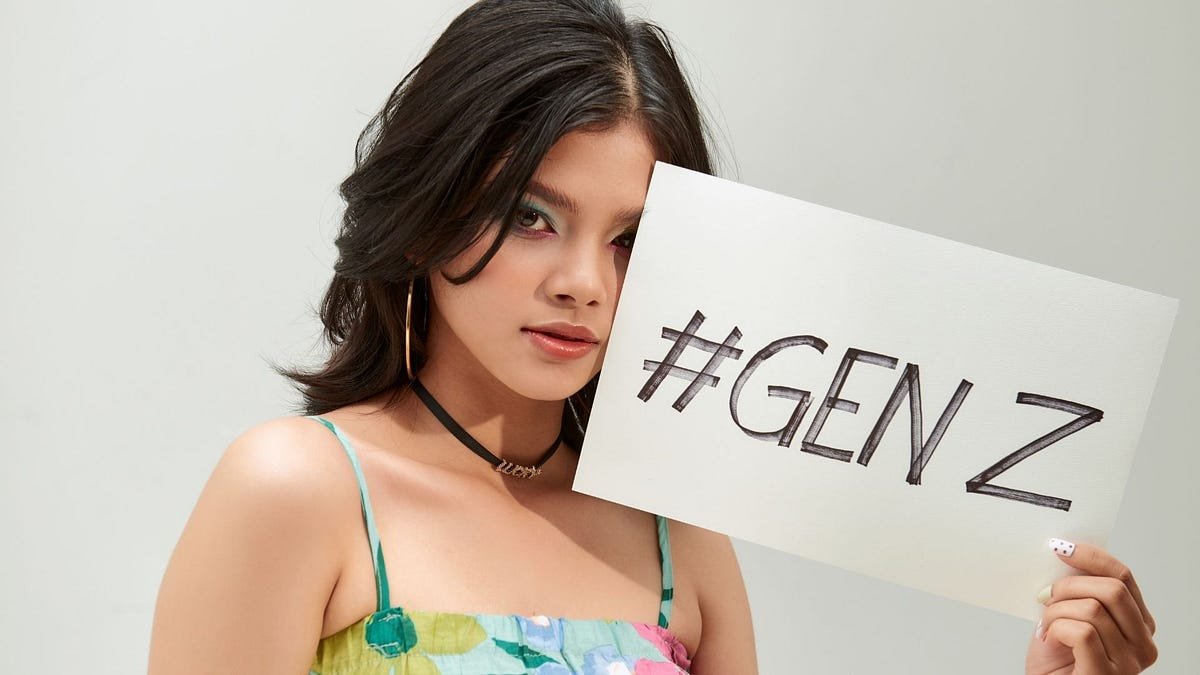
Top 10 Designer Brands Gen Z Is Wearing in 2026
Gen Z consumers in 2026 are driving demand for pleated micro mini skirts, oversized tailoring, and statement outerwear. Sourced market data from the Lyst Index reveals that young luxury shoppers prioritize high-frequency clothing items with strong secondary market value while actively balancing designer investments with affordable everyday alternatives. Miu Miu – Pleated Low-Rise Micro Mini Skirt This pleated low-rise skirt in crisp cotton twill dominates Gen Z wardrobe wishlists. The ultra-short hemline holds high resale value due to persistent social media demand. Sydney Sweeney was photographed wearing the pleated skirt at an event in Los Angeles. Price: $1,250 – $1,890 for the Pleated Low-Rise Micro Mini Skirt (prices as of 2026, may change) Affordable Alternative: Mango Pleated Cotton Mini Skirt ($59 – $79) or Zara Pleated Skort ($45) Owner: Prada Group Brand ambassadors: Emma Corrin, Gigi Hadid, Taylor Russell Prada – Oversized Re-Nylon Convertible Bomber Jacket Made from recycled ocean plastic, this padded jacket combines utility with industrial tailoring. Gen Z buyers favor its boxy silhouette and weather resistance, making it easy to style over crop tops. Hunter Schafer wore the jacket during New York Fashion Week in February. Price: $2,850 – $3,200 for the Re-Nylon Bomber Jacket (prices as of 2026, may change) Affordable Alternative: Uniqlo Padded Volume Bomber Jacket ($79 – $99) or COS Oversized Recycled Bomber ($150) Owner: Prada Group Brand ambassadors: Maya Hawke, Louis Partridge, Hunter Schafer Coach – Leather Trench Coat Crafted from smooth glove-tanned bovine leather, this classic outerwear piece delivers an oversized vintage aesthetic. Younger buyers love its heavy drape and high resale value. Influencer Emma Chamberlain wore the coat at a Paris brand presentation in March. Price: $1,100 – $1,450 for the Leather Trench Coat (prices as of 2026, may change) Affordable Alternative: ASOS Design Faux Leather Trench Coat ($90 – $120) or Massimo Dutti Faux Leather Trench ($299) Owner: Tapestry, Inc. Brand ambassadors: Elle Fanning, Charles Melton, Lil Nas X Jacquemus – Le Cardigan Tordu This asymmetrical ribbed knit cardigan features a distinctive off-the-shoulder button closure. Gen Z shoppers buy it for dopamine styling and breathable comfort. Kendall Jenner wore the piece at a summer fashion show in France. Discover more outfit ideas on our Gen Z clothing trends guide. Price: $420 – $580 for Le Cardigan Tordu (prices as of 2026, may change) Affordable Alternative: Princess Polly Asymmetrical Ribbed Cardigan ($48) or Reformation Off-Shoulder Knit ($128) Owner: Independent Brand ambassadors: Jennie Kim, Bad Bunny, Alex Consani Bottega Veneta – Intrecciato Leather Mini Skirt Woven entirely from soft lambskin striping, this structured skirt brings tactile luxury to streetwear. It is easy to style with oversized tees and retains excellent value on luxury resale apps. Model Hailey Bieber wore the mini skirt during an April night out in Los Angeles. Price: $2,900 – $3,400 for the Intrecciato Leather Mini Skirt (prices as of 2026, may change) Affordable Alternative: Urban Outfitters Woven Faux Leather Mini Skirt ($55 – $69) or Storets Woven Leatherette Skirt ($78) Owner: Kering Brand ambassadors: Jacob Elordi, BTS member RM, Kendall Jenner Courrèges – Reedition Vinyl Jacket Featuring a glossy patent finish, stand collar, and snap buttons, this cropped jacket defines Space Age retro style. Gen Z prefers it for its sharp silhouette and weather-resistant sheen. Musician Rosalía wore the jacket at a concert in May. Learn more about luxury outerwear in our designer fashion trends coverage. Price: $1,350 – $1,650 for the Reedition Vinyl Jacket (prices as of 2026, may change) Affordable Alternative: NA-KD Glossy Cropped Vinyl Jacket ($65 – $85) or BlankNYC Patent Faux Leather Moto ($118) Owner: Artémis Brand ambassadors: Iris Law, Troye Sivan, Lila Moss Diesel – D-Sire Baggy Jeans Cut from distressed indigo denim, these wide-leg jeans feature a low waist and floor-sweeping hem. Younger shoppers select them for daily streetwear styling and heavy-duty fabric weight. Singer Dua Lipa wore the jeans at a festival rehearsal in June. Price: $395 – $550 for the D-Sire Baggy Jeans (prices as of 2026, may change) Affordable Alternative: Levi’s XL Straight Baggy Jeans ($80 – $98) or BDG Super Wide-Leg Jeans ($79) Owner: OTB Group Brand ambassadors: Julia Fox, Damiano David, Tyla Balenciaga – Oversized Printed Cotton Hoodie Made from heavy organic cotton fleece, this boxy hoodie features distressed hems and vintage wash treatments. Gen Z buys it for its relaxed drop-shoulder fit and high resale demand. Actress Nicola Peltz Beckham wore the hoodie in Paris during July. Price: $990 – $1,250 for the Oversized Cotton Hoodie (prices as of 2026, may change) Affordable Alternative: Weekday Heavyweight Oversized Hoodie ($60 – $75) or Abercrombie Heavyweight Vintage Wash Hoodie ($80) Owner: Kering Brand ambassadors: Isabelle Huppert, PP Krit Amnuaydechkorn, Kim Kardashian Toteme – Scarf-Detail Wool Coat Tailored from heavy wool, this loose-fitting coat features built-in draped scarf edges and white contrast stitching. Gen Z shoppers select it for simple layering and long-term wardrobe durability. Model Elsa Hosk wore the piece during Stockholm Fashion Week in August. Read our breakdown on informed luxury spending to learn more. Price: $980 – $1,200 for the Scarf-Detail Wool Coat (prices as of 2026, may change) Affordable Alternative: Source Unknown Draped Scarf Jacket ($180 – $220) or Oak + Fort Scarf Coat ($148) Owner: Independent Brand ambassadors: Grece Ghanem, Pernille Teisbaek, Annabel Rosendahl Simon Miller – Pleated Wide-Leg Trousers Cut from lightweight satin, these high-waisted pants feature sharp knife pleats and an exaggerated leg opening. Gen Z buys them for comfort and easy pairing with fitted baby tees. Content creator Emma Leger wore the trousers at a fashion event in September. Explore our main designer fashion category to check out more style picks. Price: $295 – $380 for the Pleated Wide-Leg Trousers (prices as of 2026, may change) Affordable Alternative: H&M Wide-Leg Pleated Satin Pants ($35 – $49) or Frankie Shop Gelso Trousers ($195) Owner: Independent Brand ambassadors: Devon Carlson, Elsa Hosk, Matilda Djerf Explore more designer fashion guides at Brass Smile.
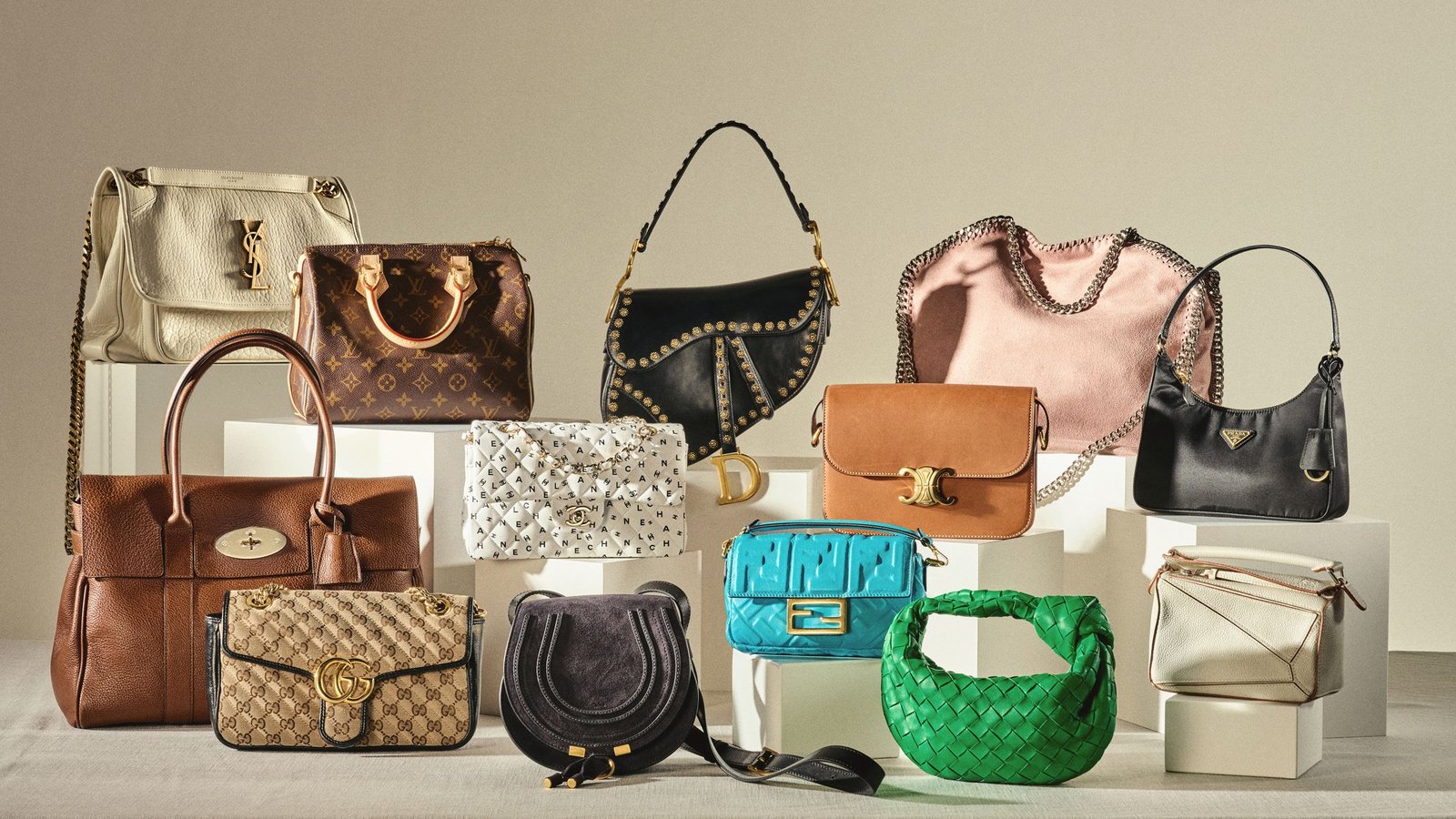
Top 10 Celebrity Designer Handbags Celebrities Carry in 2026
Oversized utility totes and slouchy shoulder bags dominate street style as celebrities trade mini purses for functional luxury. Today’s celebrity designer handbags focus on archival revivals, rich suede textures, and practical top-handle silhouettes. Prada – Bonnie Leather Bag Prada’s Bonnie is a sleek East-West shoulder bag featuring side buckle straps and elongated handles that slip effortlessly over coat sleeves. Bella Hadid was photographed carrying the Bonnie bag during a summer outing in August 2026. Modern buyers prefer its versatile rectangular profile, which holds essentials without adding bulk to daily tailored outfits. Price: $3,550 to $4,100 (prices as of 2026, may change) Vegan / Cruelty-free: No (available in calfskin, nubuck, linen, and denim blends) Owner: Prada Group Brand ambassadors: Karina, Sana Minatozaki, Jaehyun Chanel – Maxi Flap Bag The Chanel Maxi Flap offers generous interior room while preserving the French house’s signature diamond quilting and woven leather-chain strap. The Lyst Index named Chanel the top luxury brand of 2026, driven by high demand for its spacious archival flap silhouettes. It holds high resale value, making it a reliable investment for luxury collectors. Price: $8,700 to $11,500 (prices as of 2026, may change) Vegan / Cruelty-free: No Owner: Chanel Limited (Wertheimer family) Brand ambassadors: Jennie Kim, Whitney Peak, Margaret Qualley Chloé – Paddington Shoulder Bag Chloé reintroduced its 2000s celebrity it bags 2026 staple with soft slouchy leather and its iconic heavy brass padlock. Keira Knightley was seen carrying the revived Paddington bag in London in mid-2026. The soft construction fits daily essentials comfortably, offering a relaxed aesthetic that matches bohemian wardrobes. Price: $2,750 to $3,100 (prices as of 2026, may change) Vegan / Cruelty-free: No Owner: Richemont Brand ambassadors: Chemena Kamali (Creative Director muses include Daisy Edgar-Jones) Saint Laurent – Mombasa Medium Shoulder Bag The Mombasa returns from the YSL archives with a slouchy suede body and a distinctive sculptural horn handle. Bella Hadid carried the brown suede Mombasa in early 2026, cementing its status among designer handbags celebrities wear. It holds value through its unique vintage aesthetic and durable suede exterior. Price: $4,300 to $4,800 (prices as of 2026, may change) Vegan / Cruelty-free: No Owner: Kering Brand ambassadors: Rosé, Zoë Kravitz, Austin Butler Gucci – Horsebit 1955 Flap Bag Gucci’s Horsebit 1955 features a structured shoulder frame anchored by double ring and bar hardware from 1955. Dua Lipa was spotted carrying the shoulder bag during Milan appearances in 2026. It holds value exceptional well due to its classic equestrian hardware and timeless rectangular shape. Learn more in our breakdown of [INTERNAL LINK 2: iconic heritage handbags]. Price: $3,200 to $3,750 (prices as of 2026, may change) Vegan / Cruelty-free: No (Demetra alternative lines exist for select footwear and accessories) Owner: Kering Brand ambassadors: Hanni, Ni Ni, Jannik Sinner Bottega Veneta – Andiamo Medium Leather Tote The Andiamo tote features Bottega Veneta’s signature Intrecciato woven leather paired with a sliding metal knot strap. Jacob Elordi was photographed carrying the oversized Intrecciato tote during Venice events in 2026. Its unlined leather interior offers huge practical storage for daily travel without visible exterior logos. Price: $4,500 to $5,200 (prices as of 2026, may change) Vegan / Cruelty-free: No Owner: Kering Brand ambassadors: RM (Namjoon), Shu Qi, Jacob Elordi Miu Miu – Aventure Top-Handle Bag Miu Miu’s Aventure bag features a structured vintage-inspired top handle shape crafted from soft burnished calfskin. Gigi Hadid carried the Aventure bag during Miu Miu events in 2026. It is highly practical for buyers looking for a light daily bag that transitions effortlessly between day and evening looks. Price: $4,100 to $4,600 (prices as of 2026, may change) Vegan / Cruelty-free: No Owner: Prada Group Brand ambassadors: Emma Corrin, Momo, Sydney Sweeney Balenciaga – Rodeo Medium Top-Handle Bag The Rodeo bag features a soft, slouchy accordion frame with matte leather finish and raw-edge construction. Michelle Yeoh was seen carrying the Rodeo tote during official brand events in 2026. Its unpretentious slouchy design makes it a favorite among travelers who need dual compartments and quick snap closures. Price: $4,200 to $4,900 (prices as of 2026, may change) Vegan / Cruelty-free: No Owner: Kering Brand ambassadors: Michelle Yeoh, Kim Kardashian, Isabelle Huppert Fendi – Baguette Small Shoulder Bag The iconic Baguette shoulder bag continues to top celebrity handbag trends with its compact horizontal frame and magnetic FF buckle. Sarah Jessica Parker was photographed carrying a custom beaded Baguette in New York in 2026. Its compact size holds small personal electronics comfortably, retaining ultra-high resale interest. Check out our [INTERNAL LINK 3: street style accessory trends] for details. Price: $3,500 to $3,700 (prices as of 2026, may change) Vegan / Cruelty-free: No Owner: LVMH Brand ambassadors: Song Hye-kyo, An Yu-jin, Bang Chan Loewe – Amazona 180 Shoulder Bag Loewe’s Amazona 180 is an oversized leather carryall with rectangular proportions and minimal gold-tone corner padlocks. Zendaya was seen carrying the spacious tote during travel stops in 2026. Its large capacity and supple calfskin make it an ideal weekend bag that justifies its price tag. Find more choices on our luxury accessories category page. Price: $5,400 to $5,900 (prices as of 2026, may change) Vegan / Cruelty-free: No Owner: LVMH Brand ambassadors: Taeyong, Taylor Russell, Lim Ji-yeon Explore more most popular celebrity bag brands and luxury accessories guides at Brass Smile.
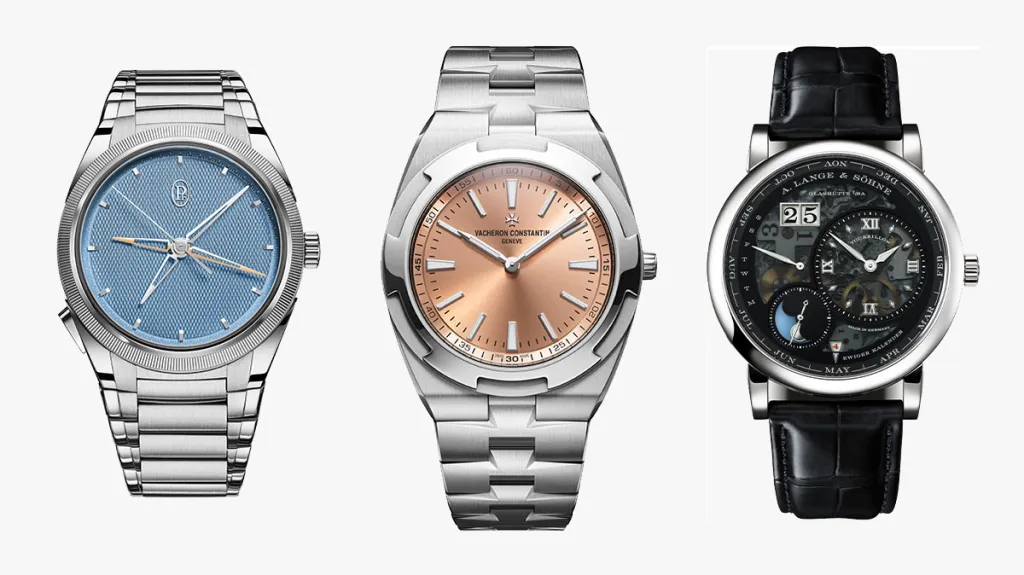
Luxury Watch Brands: 15 Iconic Names Worth Knowing in 2026
According to the Federation of the Swiss Watch Industry (FH), Swiss watch exports reached CHF 10.44 billion in the first five months of 2026. Buyers are becoming much more selective, making it critical to know which luxury watch brands truly justify their retail prices today. If you are planning your first big purchase or adding to an existing collection, this breakdown gives you the facts. You’ll find 15 iconic names, verified price ranges in USD and INR, and blunt assessments of who each brand suits best. We built this list around secondary market stability, mechanical quality, and actual retail access, keeping marketing claims out of the equation. Quick Summary The best luxury watch brands in 2026 combine horological pedigree, robust resale stability, and exceptional daily reliability. Rolex leads in daily durability and liquidity, Omega delivers unmatched precision certification, and Patek Philippe commands the pinnacle of collector-grade haute horlogerie. Meanwhile, Cartier dominates design-forward dress pieces, and Tudor sets the modern benchmark for accessible, in-house mechanical engineering. Category Brand Approximate Starting Price (2026) Best Overall Rolex from about $6,500 / ₹6,00,000 Best Investment Value Patek Philippe from about $32,000 / ₹28,50,000 Best Entry-Level Luxury Tudor from about $3,300 / ₹2,90,000 Key Takeaways Swiss luxury watch brands held over 50% of global luxury market value in 2026 reports. Rolex commands a 33% market share among Swiss brands, according to the 2026 Morgan Stanley report. Affordable luxury watch brands like Tudor offer in-house certified movements starting from about $3,300 / ₹2,90,000. Ultra-luxury retail prices rose 4% to 7% across major European houses during the 2026 catalog updates. Buying from authorised dealers secures valid factory warranties and eliminates grey market counterfeit risks entirely. What Makes a Watch Brand Luxury in 2026? A luxury watch brand delivers verifiable mechanical depth, rigorous internal movement development, and hand-executed hand finishing that holds up under high magnification. It must back its products with decades of servicing infrastructure and command strong retention on the secondary market rather than relying on generic contract manufacturing. The 5 Things That Separate High-End Watch Brands from Fashion Brands Movement Quality: High-end brands use mechanically sophisticated calibres that feature chronometer-grade regulation and anti-magnetic balance springs rather than basic off-the-shelf quartz modules. In-House Manufacturing: Authentic watchmakers build proprietary movements, tooling, and case components internally instead of white-labeling cheap outsourced parts. Finishing Standards: Calibres and cases display manual anglage, Côtes de Genève, and black polishing that take hours of physical benchwork per component. Resale Value: Blue-chip timepieces retain substantial equity on secondary exchanges, whereas mass-market fashion watches shed 80% of their value the moment they leave a shop. Servicing and Heritage: True manufactures maintain replacement parts, archival records, and trained watchmakers capable of repairing a 50-year-old reference today. Price alone does not create luxury. A designer label can slap a $1,500 retail tag on a gold-plated case housing an inexpensive $10 Miyota movement, but collectors see straight through it. Real prestige lives in the metal and the movement architecture, not in brand licensing or runway marketing. According to the Deloitte Swiss Watch Industry Study released in October 2026, global consumers ranked “price-to-value” as their primary consideration when purchasing a fine watch, overtaking pure branding in almost every major international market. How We Ranked These Luxury Watch Brands We stripped away marketing buzzwords and evaluated each brand against six measurable pillars that directly affect your ownership experience. Our goal is simple: tell you whether a watch delivers genuine horological value or merely trades on an inflated badge. Criteria What We Checked Weight In-House Movements & Innovation Proprietary calibre development, chronometer certifications (COSC, METAS), escapement tech, and power reserve efficiency. 25% Build Quality & Finishing Case machining tolerances, dial execution, hand-applied decorative work (anglage, perlage, polish), and bracelet ergonomics. 20% Resale Value & Price Retention Secondary market liquidity, retention against MSRP over 3 to 5 years, and historical depreciation rates. 20% Heritage & Independent Pedigree Historical contributions to watchmaking, continuous manufacture history, and brand autonomy or prestige within its group. 15% Value for the Price Component quality, materials, and mechanical sophistication relative to the retail asking price. 10% Availability & Servicing Ecosystem Ease of purchasing at authorised dealers, global service centre footprint, turnaround times, and long-term parts availability. 10% This editorial guide is completely independent. No watch brand, holding group, or retailer paid for placement, coverage, or ranking position in this guide. Luxury Watch Brands Ranked: 2026 Comparison Table Here is how the top 15 luxury watchmakers stack up across heritage, signature models, and entry prices in 2026. Rank Brand Country Founded Signature Watch Starting Price (USD, 2026) Best For 1 Rolex Switzerland 1905 Submariner / Datejust from about $6,400 Daily durability & liquidity 2 Patek Philippe Switzerland 1839 Calatrava / Nautilus from about $32,000 Complications & heritage 3 Audemars Piguet Switzerland 1875 Royal Oak from about $25,000 Integrated sports luxury 4 Omega Switzerland 1848 Speedmaster Professional from about $3,400 Certified precision & dive tech 5 Cartier France / Swiss 1847 Tank / Santos from about $3,750 Iconic shape design & dress wear 6 Vacheron Constantin Switzerland 1755 Overseas / Patrimony from about $11,900 Historic haute horlogerie 7 A. Lange & Söhne Germany 1845 Lange 1 / Saxonia from about $24,000 Saxon finishing & dial layout 8 Richard Mille Switzerland 2001 RM 67-01 / RM 011 from about $120,000 Avant-garde materials & shock tech 9 Jaeger-LeCoultre Switzerland 1833 Reverso / Master Ultra Thin from about $8,800 Movement innovation & dress dials 10 IWC Schaffhausen Switzerland 1868 Pilot’s Watch Mark XX from about $5,500 [VERIFY: 2026 base pilot MSRP] Clean legibility & pilot heritage 11 Breitling Switzerland 1884 Navitimer / Superocean from about $3,300 Aviation slide rules & tool dive 12 Tudor Switzerland 1926 Black Bay 58 / Pelagos from about $1,950 Entry-level value & durability 13 Grand Seiko Japan 1960 Snowflake / White Birch from about $3,200 Zaratsu polishing & Spring Drive 14 TAG Heuer Switzerland 1860 Carrera / Monaco from about $1,950 Motorsport chronographs 15 Hublot Switzerland 1980 Big Bang / Classic Fusion from about $5,900 Bold
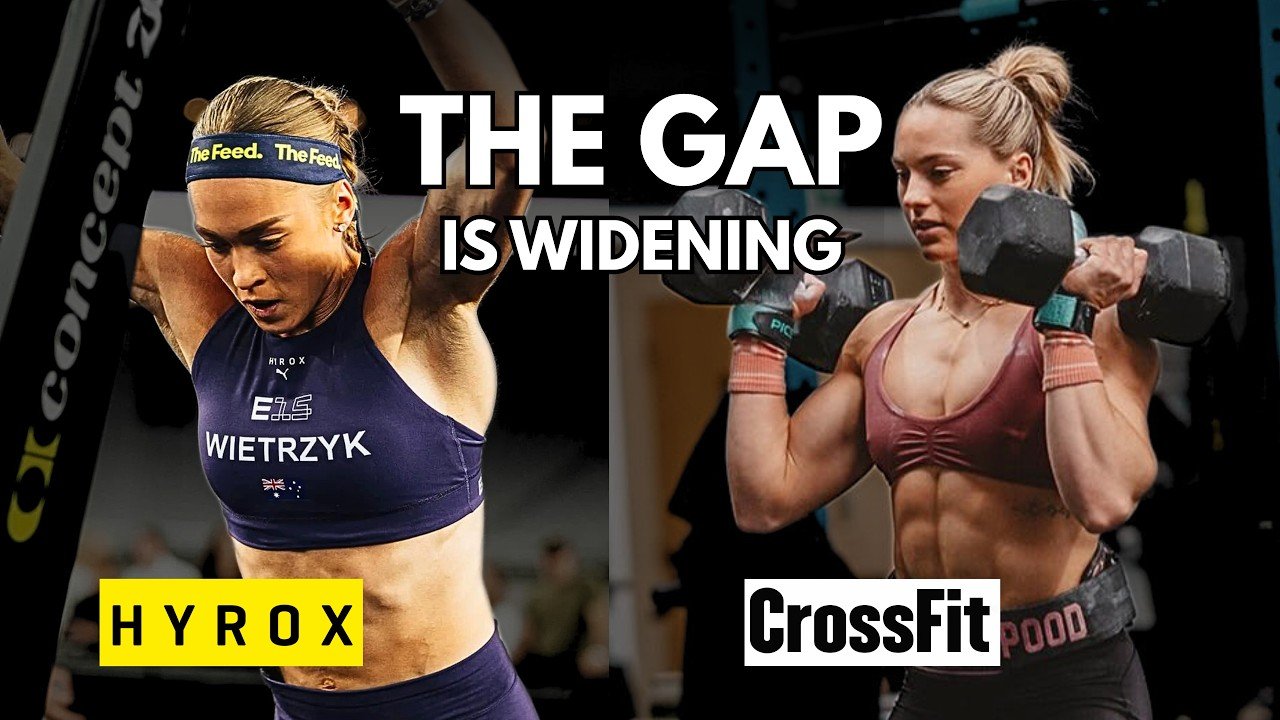
HYROX vs CrossFit: Which Workout Is Better for You?
You spot three friends on Saturday: two are logging 8km runs to prep for a race format, while another is practicing heavy snatch balance reps at a local affiliate. You want to level up your own conditioning, but you are stuck choosing between the standardized endurance race and the unpredictable barbell workout. Choosing between HYROX vs CrossFit comes down to how your body handles specific physiological stress [ADD YOUR OWN COACHING/TRAINING OBSERVATION HERE]. This breakdown compares both formats directly across workout structure, muscle building, cardiovascular demands, recovery cost, and overall injury risk. You will get clear verdicts for individual fitness goals, realistic training costs, and a guide on whether you can combine both methodologies safely. Quick Summary Quick Answer: The debate over HYROX vs CrossFit comes down to predictability versus variety. HYROX is a standardized fitness race featuring 8 × 1 km runs and 8 movement stations, making it superior for aerobic endurance and repeatable pacing. CrossFit relies on constantly varied movements, heavier barbells, and complex gymnastics, making it better for maximal strength, power, and broad skill development. Best Pick by Goal Goal Better Fit One-Line Reason Maximal Strength CrossFit Utilizes heavy Olympic weightlifting and varied barbell work to build top-end power. Aerobic Endurance HYROX Features 8 km of total running paired with high-volume, lower-complexity functional stations. Fat Loss Tie Both drive high calorie expenditure; sustainable dietary consistency and overall work volume decide long-term fat loss. Beginners HYROX Simple, fixed movements remove the steep learning curve required for high-skill barbell and gymnastics exercises. Variety & Skill CrossFit Daily workouts constantly change, testing everything from rope climbs and handstand walks to heavy cleans. Key Takeaways HYROX tests predictable endurance through standardized running and repetitive functional exercise stations during every race. CrossFit builds superior maximal strength and explosive power through heavy barbell lifting and gymnastics skills. Endurance capacity improves faster with HYROX due to its compulsory eight kilometers of structured running. Beginners adapt quicker to HYROX because the exercises require minimal technical skill or movement mastery. Financial costs vary, with CrossFit charging higher monthly box fees while HYROX requires individual event entries. Combining both formats works well if you carefully manage weekly recovery and total training volume. HYROX vs CrossFit Differences at a Glance Quick Answer: Key HYROX vs CrossFit differences center on workout predictability, technical skill demands, and energy systems. HYROX demands steady-state aerobic pacing over a fixed course, while CrossFit prioritizes high-skill gymnastics, heavy Olympic weightlifting, and anaerobic power output across ever-changing daily workouts. What Is HYROX? First held in Hamburg, Germany, in 2017 with roughly 650 participants, HYROX expanded to over 1.5 million athletes across the 2025/26 season. The event strictly couples 8 × 1 km runs with 8 standardized functional exercise stations. What Is CrossFit? Founded in 2000 by Greg Glassman, CrossFit defines its model as constantly varied functional movements performed at high intensity. Its flagship competitive stage, the CrossFit Games, launched in 2007 [VERIFY on crossfit.com]. Core Fitness Benefits Compared HYROX Fitness Benefits: Aerobic Engine: Builds a resilient cardio base by combining total running volume with sustained machine work. Muscular Endurance: Enhances fatigue resistance through high-rep sled pushes, wall balls, and lunges. Pacing Mastery: Teaches precise energy management during prolonged, continuous athletic efforts. CrossFit Fitness Benefits: Maximal Power: Develops explosive strength and speed via heavy barbell clean-and-jerks and snatches. Gymnastic Skill Range: Builds upper-body control through handstand push-ups, muscle-ups, and rope climbs. Broad Adaptability: Prepares your mind and body to respond effectively to completely random physical tests. Workout Structure and Competition Format Quick Answer: Comparing workout structure and competition format shows a clear split: HYROX relies on a repeatable 8km race blueprint, whereas CrossFit varies every daily workout (WOD) and runs an official season through the CrossFit Open, Quarterfinals, and Games. Format Comparison Factor HYROX CrossFit Format Standardized 8 km run interspersed with 8 fixed functional stations. Constantly varied daily workouts mixing lifting, gymnastics, and cardio. Typical Session Station skill practice, running intervals, and long aerobic engine blocks. Warm-up, heavy strength or skill practice, and a high-intensity WOD. Competition Single-day mass participation event open to all fitness levels. Multi-stage season: CrossFit Open, Quarterfinals, Semifinals, and Games. Scoring Total elapsed chip time from start line to final wall ball rep. Reps completed in a set time limit (AMRAP) or time taken (For Time). Who Competes Beginners, weekend racers, elite athletes, and relay teams. Broad box community up to world-class functional fitness athletes. Predictability High: same course, movements, and sequence every single time. Low: workout details change daily to test complete adaptability. The HYROX Race, Station by Station 1 km Run + 1,000 m SkiErg: Sets your early heart rate ceiling. 1 km Run + 50 m Sled Push: Heavy leg drive that exhausts the quads early. 1 km Run + 50 m Sled Pull: Heavy upper-body pull testing grip strength and hamstrings. 1 km Run + 80 m Burpee Broad Jumps: Full-body aerobic spike with core impact. 1 km Run + 1,000 m Rowing: Low-impact endurance challenge testing posterior chain stamina. 1 km Run + 200 m Farmers Carry: Severe forearm, trap, and grip endurance check. 1 km Run + 100 m Sandbag Lunges: Unilateral leg burn under heavy systemic fatigue. 1 km Run + 100 Wall Balls: Final test of squat depth, shoulder capacity, and mental grit. (Note: Station loads vary by division, ranging from 102 kg to 202 kg for the sled push; [VERIFY weights on hyrox.com]). How CrossFit Workouts Are Built Dynamic Warm-Up & Mobility: Prepares joint positions for deep squatting, overhead pressing, and explosive hips. Strength or Skill Segment: Focuses on maximal barbell lifts (e.g., 5×3 back squats) or gymnastics technique work. Metabolic Conditioning (WOD): High-intensity finisher structured as AMRAP (as many rounds as possible), EMOM (every minute on the minute), or For Time. Exercises, Running Requirements and Gym Equipment Quick Answer: The technical barrier and facility demands set these two sports apart. HYROX uses fixed, low-skill movements and continuous running that can be simulated in standard commercial gyms, whereas CrossFit demands specialized

Modern Luxury Living: What Does Modern Luxury Look Like Today?
Modern luxury living has shed its appetite for obvious logos and ornate excess. Today, high-end living in the United States centers on personal autonomy, invisible technology, and long-term vitality. Affluence is no longer telegraphed through a gold-accented foyer; it is measured by the quality of your indoor air, the materials in your kitchen, and how effortlessly your home supports your daily routine. The definition of a luxury lifestyle has quietly shifted toward restorative comfort. High-net-worth homeowners across New York, Miami, and Los Angeles are investing in residential architecture that functions as a personal sanctuary. This cultural pivot mirrors shifts across the personal care market, where clinical formulas, non-invasive therapies, and longevity-focused beauty trends reflect the exact same demand for substance over spectacle. Below, we examine the practical architecture of modern luxury living in 2026, dissecting how luxury homes, automotive engineering, wellness design, and aesthetics have evolved into an ecosystem of intentional, low-profile excellence. Quick Summary Subtle Aesthetics: Conspicuous consumption has been replaced by natural textures, bespoke craftsmanship, and muted, timeless palettes. Health-First Architecture: High-end residential builds now prioritize integrated circadian lighting, hospital-grade air filtration, and acoustic insulation over mere square footage. Preventative Personal Care: Modern beauty trends emphasize regenerative skincare, medical-grade home devices, and skin barrier health over decorative makeup. Frictionless Tech: Smart automation has become invisible, running ambient climate and discreet security systems without intrusive touchscreens. Key Takeaways Modern high-end living favors longevity, wellness architecture, and unbranded bespoke craftsmanship over logo-heavy prestige. The contemporary luxury home functions as a private retreat, incorporating acoustic engineering, dual-zone thermal setups, and whole-house HEPA/VOC filtration. Clean, restorative beauty trends favor non-invasive treatments, peptide-driven skincare, and clinical tools over multi-step cosmetic routines. Sustainable provenance and domestic artisanal craft matter more to US luxury buyers than mass-produced heritage labels. Silent propulsion and understated performance now dominate luxury automotive preferences across North American metros. The New Architecture of the Luxury Home The sprawling McMansions of earlier decades have yielded to deliberate, architecturally grounded spaces. In neighborhoods from Aspen to the Pacific Palisades, the luxury home in 2026 is designed around light, quiet, and biological recovery. Acoustic Isolation and Environmental Purity Affluent US buyers are treating quietness as a rare commodity. Architectural plans prioritize decoupled drywall, triple-pane acoustic glazing, and mechanical closets dampened with vibration-absorbing mounts. Whole-home air filtration systems featuring MERV 16 or medical-grade HEPA filters paired with dedicated activated carbon canisters run continuously. Water is treated at the main point of entry, stripping chlorine, heavy metals, and microplastics before a drop touches a glass or a showerhead. Materiality: Honesty Over Polish High-gloss marble and mirrored surfaces have fallen out of favor. Leading interior studios—such as Roman and Williams, Studio Shamshiri, and Nicole Hollis—rely heavily on tactile, honest materials: Hand-troweled lime plaster walls that age gracefully and regulate humidity. Wide-plank white oak or domestic walnut with matte, non-toxic oil finishes. Unlacquered brass and blackened bronze fixtures that develop an authentic patina. Sourced local stone, including Indiana limestone and Vermont Danby marble, replacing generic imported slabs. Wellness Architecture: The Rise of In-Home Recovery Private wellness spaces have graduated from basement gyms with treadmills to professional-grade recovery wings. The goal is no longer just exercise; it is cellular rejuvenation and stress mitigation. Living Category Traditional Luxury Standard 2026 Modern Luxury Standard Home Wellness Isolated basement fitness room Integrated hydrotherapy and cold plunge suites Primary Lighting Decorative statement chandeliers Circadian tunable fixtures tracking daylight Personal Care 12-step topical cosmetic regimes Clinical barrier devices and signal peptides Vehicle Preference High-displacement combustion engines Silent electric and refined hybrid platforms Interior Surfaces High-polish synthetic resins and slabs Raw lime plaster, native stone, and living brass High-end residences routinely incorporate: Thermal Contrast Suites: Custom cedar dry saunas positioned directly adjacent to plumbed cold plunge tubs with continuous mechanical filtration and chilling units. Tunable Circadian Lighting: Fixtures programmed to trace local solar coordinates, emitting warm, blue-free light in the evening to preserve melatonin production. Hyperbaric and Red-Light Integration: Dedicated quiet rooms wired for high-voltage red-light wall arrays and residential mild hyperbaric oxygen therapy chambers. Personal Care and 2026 Beauty Trends: Clinical Precision How one lives affects how one ages. The cultural approach to personal care now directly mirrors the understated values of the luxury lifestyle. The market has moved away from thick concealers and aggressive chemical resurfacing toward biological optimization. Leading beauty trends among discerning US consumers emphasize barrier integrity, bio-identical ingredients, and non-invasive technologies: Bio-Regenerative Topicals: Consumers are turning away from aggressive exfoliation. Formulations prioritizing signal peptides, polynucleotides, and ectoin dominate high-end bathroom vanities, strengthening the stratum corneum rather than stripping it. Clinical At-Home Modalities: Medical-grade targeted microcurrent devices and flexible silicone LED masks with verifiable light wavelengths have made daily maintenance an extension of personal downtime. Subtle Longevity Aesthetics: Injectable trends favor subtle micro-dosing and biostimulatory treatments (such as poly-L-lactic acid and calcium hydroxylapatite) that prompt organic collagen synthesis, bypassing the overfilled look entirely. Fragrance as Atmosphere: High-end perfumery focuses on skin-scent chemistry and functional olfactory compounds designed to regulate cortisol rather than project heavy scent trails across a room. Quiet Utility: Mobility and Technology High-end living rejects complexity that creates work. In both private transport and smart home systems, modern consumers demand seamless utility that runs quietly in the background. Instead of navigating walls covered in glowing touchscreens, smart homes rely on discreet, hidden logic: Microclimate Control: In-wall sensors monitor indoor temperature, carbon dioxide levels, and ambient moisture, adjusting fresh airflow silently. Adaptive Light Tracking: Automated roller shades and recessed warm fixtures adjust dynamically to the sun’s trajectory, shifting toward a relaxing 2200K amber glow at dusk. Invisible Audio: High-fidelity architectural speakers sit flush behind thin layers of plaster, filling spaces with balanced sound without interrupting clean architectural lines. Automotive Evolution In automotive circles, the standard for daily driving centers on low cabin decibels, driver assistance, and cabin air quality. The Lucid Air Sapphire, Porsche Taycan Turbo, and electrified Range Rover variants serve as the benchmark for executive transport across US urban hubs. Power and torque are expected; true luxury
Beauty Trends Defining 2026
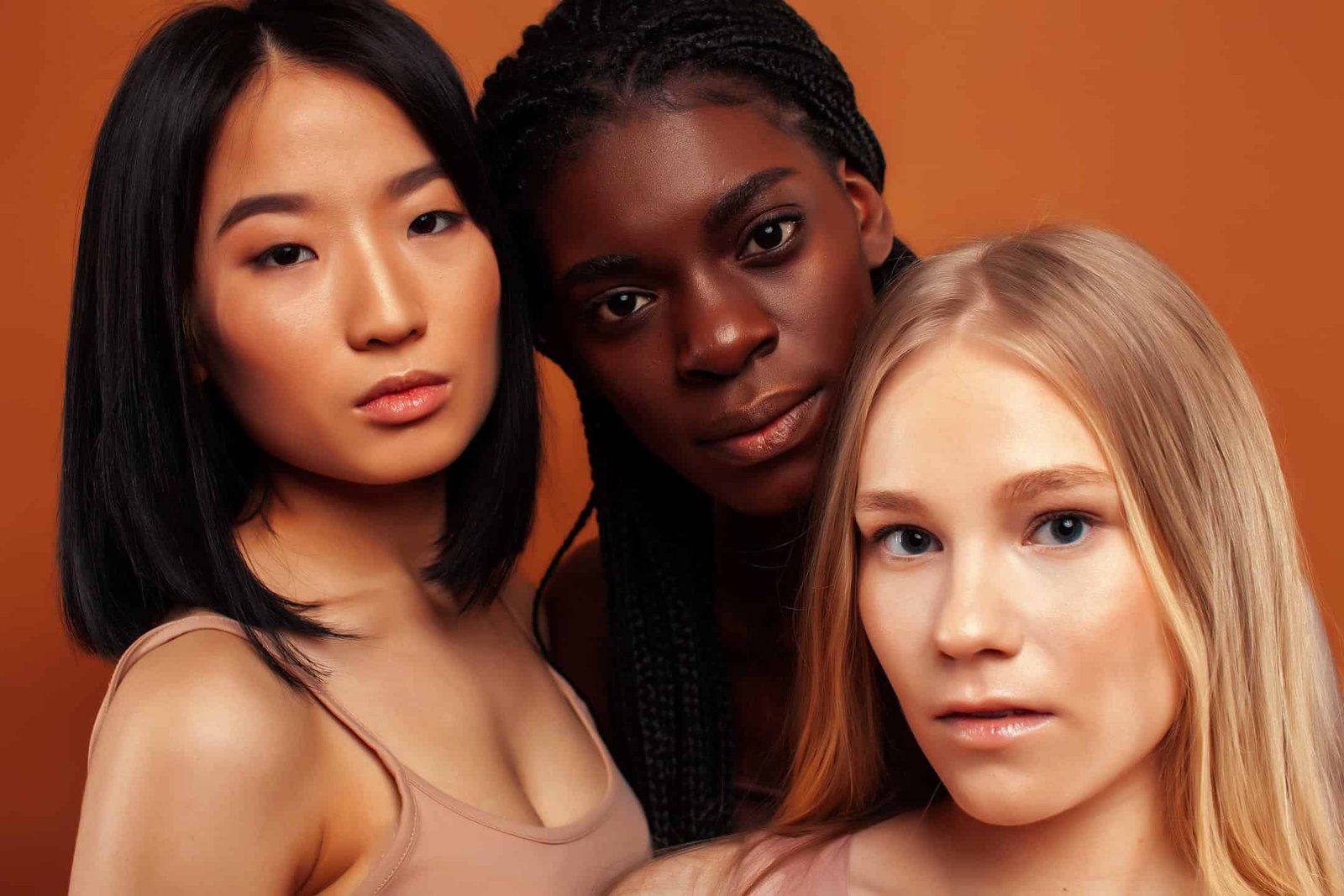
The conversation around modern beauty has shifted away from superficial gloss and twenty-step routines. In 2026, beauty trends reflect a deeper focus on cellular health, quiet refinement, and biocompatible ingredients. American consumers are stepping back from heavily filtered aesthetics, seeking instead formulas and techniques that offer measurable, long-term vitality. Today’s luxury beauty market merges clinical dermatology with daily ritual. People want formulations that work in harmony with biological rhythms rather than harsh exfoliants that compromise the skin barrier. The obsession with quick fixes has given way to longevity science, where preventative care takes precedence over reactive treatment. This guide explores the defining shifts shaping beauty across skincare, makeup, aesthetics, and body care in 2026. You will discover how luxury houses are reformulating their core lines, which clinical treatments are replacing traditional invasives, and how everyday beauty rituals are adopting medical-grade precision. Quick Summary Cellular Longevity Takes Center Stage: Skincare formulations prioritize NAD+ precursors, peptides, and mitochondrial energy over surface-level plumping. The “Micro-Glow” Replaces Glass Skin: Heavy, occlusive hydration steps are out. The prevailing makeup aesthetic favors satiny, breathable finishes that replicate rested skin. Biostimulation Over Fillers: In-office procedures emphasize natural tissue regeneration through polynucleotides and ultrasound over traditional volume expansion. Circadian Formulation: Daily regimens now sync active ingredient delivery with biological day-and-night repair cycles. Key Takeaways Targeted Barrier Repair: Actives like exosome complexes and ectoin are increasingly standard in prestige daily treatments to counteract urban pollutants and climate stressors. Understated Color Theory: Monochromatic, tonal palettes using warm terracotta, cocoa, and subtle berries dominate luxury cosmetics. Scalp as an Extension of Facial Skin: Prestige hair care lines now apply identical active ingredient concentrations—such as copper peptides and niacinamide to follicular health. Smarter At-Home Hardware: Handheld microcurrent and LED devices feature dual-frequency technology for targeted dermal stimulation. Regulatory Transparency: Stricter adherence to MoCRA (Modernization of Cosmetics Regulation Act) requirements means brands are proving clinical claims with third-party testing data. The Longevity Revolution: Skincare Meets Cellular Biology The defining beauty trends 2026 brings to the US luxury market originate in longevity research centers. Rather than merely masking fine lines, prestige skincare brands formulate to protect cellular structures and support natural collagen synthesis over time. The Rise of NAD+ and Cellular Energy Mitochondrial health is no longer confined to ingestible wellness supplements. Skincare lines like Augustinus Bader and Noble Panacea have integrated patented carrier systems that deliver NAD+ precursors and longevity complexes directly past the stratum corneum. These actives provide aging skin cells with the cellular energy necessary to repair oxidative damage incurred during daylight hours. Ectoin and Climate-Adaptive Protection While hyaluronic acid remains a staple, ectoin has emerged as the essential protective molecule of 2026. As extreme weather patterns and urban particulate matter place constant demands on the moisture barrier, ectoin forms a protective hydration shield around cell membranes. It calms inflammation, maintains barrier integrity against blue light exposure, and avoids the transepidermal water loss common to drier metropolitan environments like Denver or Los Angeles. Active Ingredient Primary Function Ideal Skin Profile Product Benchmark Ectoin Cellular barrier shielding Reactive, urban-exposed Biologique Recherche Exosome Complexes Intercellular repair signaling Mature, post-procedure Dr. Barbara Sturm NAD+ Precursors Mitochondrial energy restoration Fatigued, dull tone Noble Panacea Biomimetic Peptides Collagen & elastin synthesis Loss of structural tone Revision Skincare The Makeup Shift: The Satiny “Micro-Glow” Cosmetic artistry in 2026 discards heavy layers and glass-skin glazes in favor of skin that looks genuinely bare, hydrated, and calm. The prevailing look relies on featherlight tints, hybrid pigment-serums, and targeted spot-concealing. Breathable Formulations Foundations are formulated with high-ratio skin serums that dry down to an airy demi-matte or satin finish. Luxury offerings from houses like Chanel and Westman Atelier focus on self-setting textures that omit the need for heavy finishing powders. Pigment Precision: Using pinpoint concealing around the nose and under-eye hollows rather than all-over foundation masks. Soft-Focus Diffusion: Utilizing micronized mica and silica that refract light naturally without obvious shimmer particles. Tonal Warmth: Cream bronzers and blush balms formulated with squalane and jojoba oil to blend seamlessly into bare skin. Tonal Color Theory The latest beauty trends favor rich, earthy neutrality: Lips: Velvety balms with subtle tints of fig, raw honey, and warm almond. Cheeks: Sheer brick and apricot washes that sit high on the cheekbone. Eyes: Bare lids framed by defined lashes and softly groomed, feathery brows set with translucent peptides. In-Office Aesthetics: Biostimulators and Non-Invasive Architecture The aesthetics sector in the United States has largely pivoted away from the overfilled facial contours that characterized early-2020s injectables. The clinical priority is tissue quality, skin density, and natural muscle tone. Polynucleotides and Structural Biostimulation Patients visiting luxury dermatologists on Park Avenue and in Beverly Hills request biostimulators that prompt the body to manufacture its own collagen architecture. Polynucleotide therapies (derived from purified DNA fractions) repair cellular damage, while biostimulatory agents like poly-L-lactic acid and calcium hydroxylapatite are injected in micro-dilutions to reinforce skin thickness without distorting facial balance. Micro-Focused Ultrasound and Dynamic Microcurrent For lifting and laxity, practitioners combine focused ultrasound (such as targeted Ultherapy protocols) with deep radiofrequency microneedling. Rather than pulling or freezing tissue, these treatments tighten the underlying superficial muscular aponeurotic system (SMAS) layer, maintaining organic facial movement and personal expression. The Expansion of Skinification: Scalp and Body Longevity Beauty regimens no longer stop at the jawline. The integration of dermatological standards into hair care and body care represents one of the fastest-growing categories in trending beauty. Traditional Body Care (Past): Basic humectant lotions, abrasive physical scrubs, and fragrance-heavy shower gels. 2026 Body Longevity (Current): Multi-molecular peptide body serums, encapsulated micro-dosed retinoids, and barrier-supporting lipid washes. Advanced Scalp Architecture Healthy hair growth starts at the follicular base. Prestige brands treat the scalp with the same rigor once reserved for the under-eye area: Microbiome-Centric Rinses: Gentle pre-cleansers designed to remove styling buildup without stripping essential sebum. Peptide Follicle Serums: Leave-in night elixirs formulated with red clover extract, copper tripeptide-1, and zinc to support the natural hair-anchoring complex. Low-Level Light Therapy: Specialized LED caps and combs engineered to