

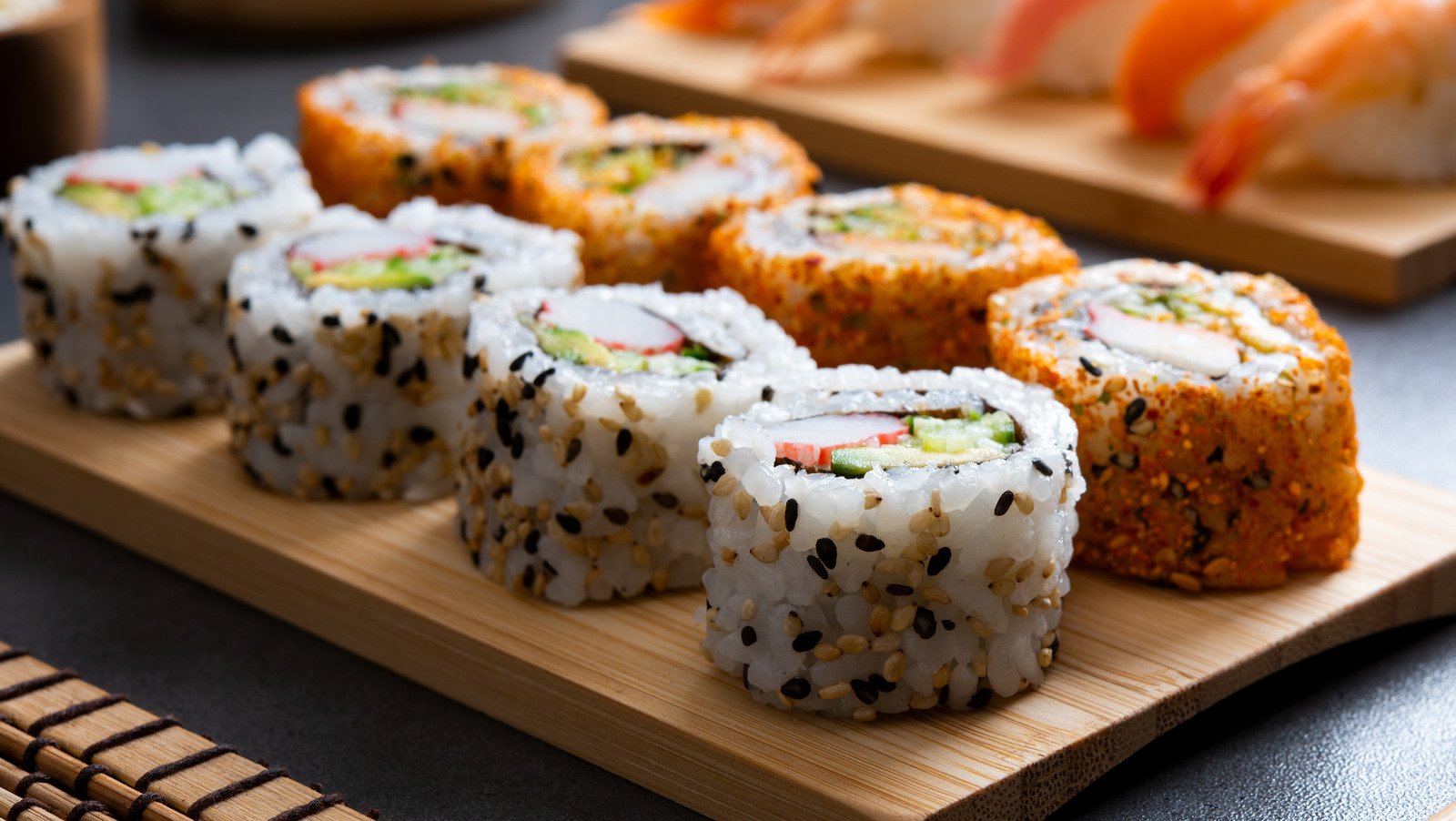
To make perfect sushi rice, combine 2 cups of rinsed Japanese short-grain rice with 2 cups of water, cook until tender, and toss while warm with a seasoned mixture of 4 tablespoons rice vinegar, 2 to 3 tablespoons sugar, and 1 teaspoon salt. The key is gentle folding while fanning the grains to create a glossy, sticky texture without mashing the rice.
What You Need
-
2 cups Japanese short-grain rice
-
2 cups water
-
4 tbsp plain rice vinegar (unseasoned)
-
2 to 3 tbsp sugar
-
1 tsp fine salt
-
1 piece kombu (dried kelp, optional)
The Great Sugar Debate: How Sweet Should Sushi Rice Be?
If you search for recipes online, you will find a massive disagreement on sugar content. Some popular recipes call for 5 tablespoons of sugar for 2 cups of rice, while traditional recipes often use just 2 tablespoons.
This difference comes down to culinary style and what you plan to eat with your rice. Sweeter rice balances light, mild fillings like cucumber, avocado, or cooked crab. A lighter, saltier rice with less sugar cuts through rich, oily fish like fresh tuna, salmon, or mackerel. Start with 2 to 3 tablespoons of sugar in your vinegar mixture. Taste it before adding it to the rice, and adjust to your preference.
Step-by-Step Method
-
Rinse the rice: Place the rice in a bowl and cover with cold water. Swirl gently with your fingers, drain the cloudy water, and repeat 3 to 5 times until the water runs mostly clear.
-
Rest before cooking: Drain the rinsed rice completely in a mesh strainer and let it sit for 20 to 30 minutes. This allows the grains to absorb residual water evenly.
-
Cook: Transfer the rice and 2 cups of fresh water (plus the optional kombu) to a pot. Bring to a boil over medium heat, lower the heat to minimum, cover tightly with a lid, and simmer for 15 minutes.
-
Steam off heat: Remove the pot from the heat source. Keep the lid on tight and let the rice steam undisturbed for 15 to 20 minutes.
-
Mix the seasoning: While the rice steams, combine the rice vinegar, sugar, and salt in a small saucepan over low heat. Stir until the sugar and salt dissolve completely. Do not let it boil.
-
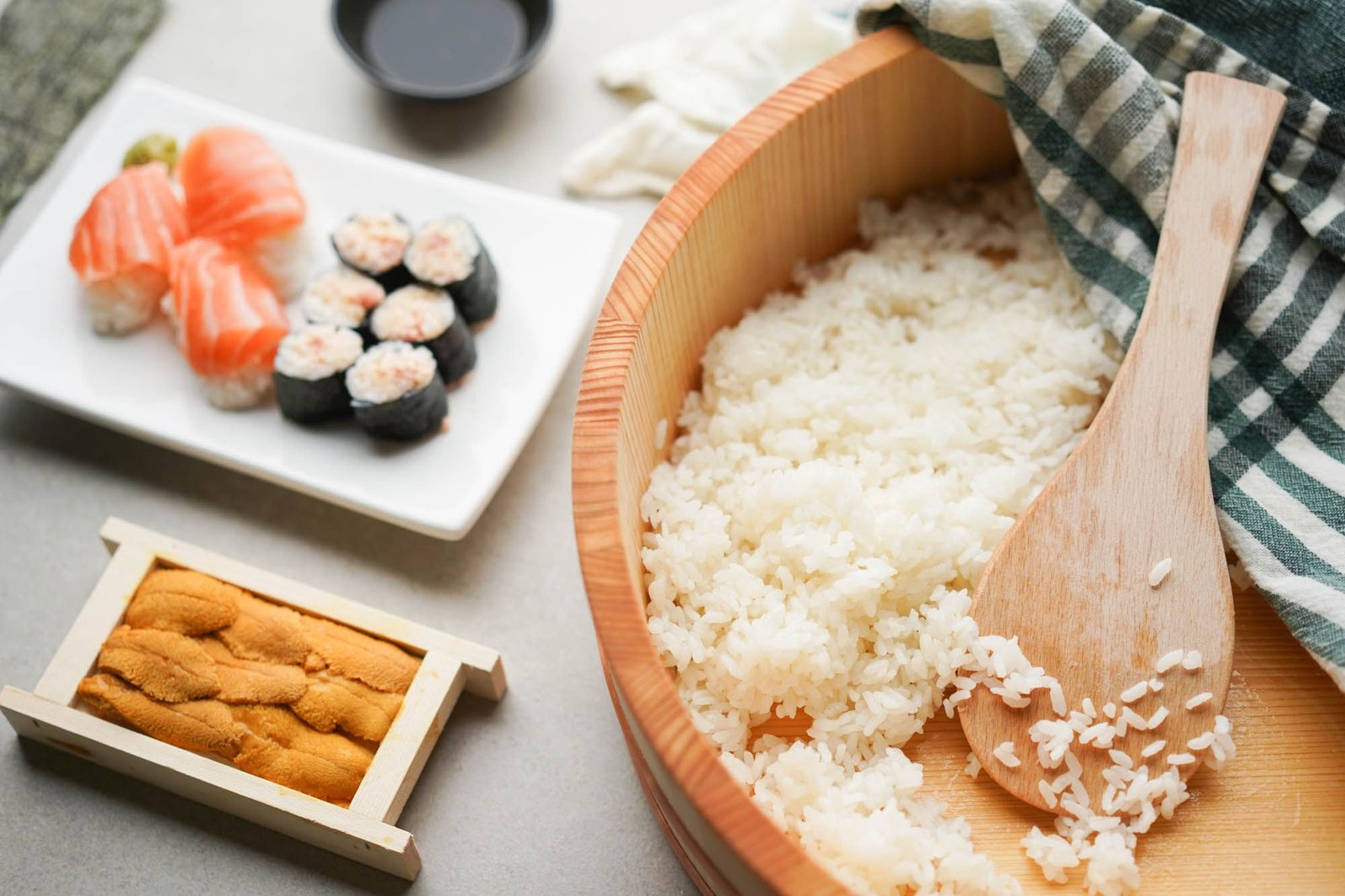
Fold and fan: Transfer the hot rice into a wide wooden or plastic bowl. Pour the liquid seasoning evenly over a spatula. Use a slicing and folding motion to mix the seasoning into the rice without crushing the grains, while fanning it with a piece of cardboard to cool it down quickly.
-
Cover: Once glossy and mixed, cover the bowl with a damp towel to keep the rice from drying out.
Using a Rice Cooker
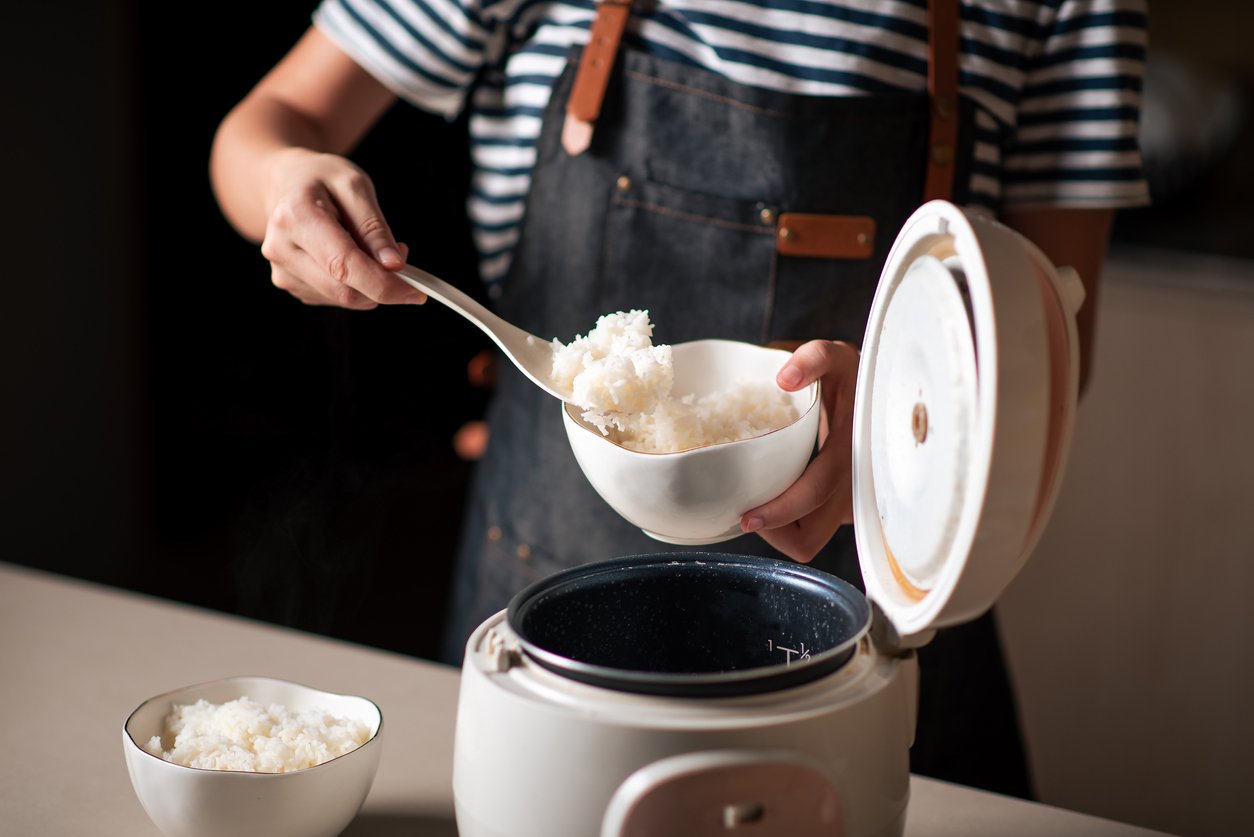
A rice cooker makes this process effortless, but watch out for cup measurements. A standard measuring cup in North America is 240 ml, whereas the measuring cup that comes with a Japanese rice cooker is 180 ml.
If you use your rice cooker’s plastic cup, measure the water using the designated line inside the bowl rather than a standard liquid measuring cup. If you use a standard 240 ml kitchen cup, stick to the 1:1 ratio of rice to water.
Which Rice to Buy
Always buy short-grain white rice, usually labeled as Japanese sushi rice or Sashanishiki. Short-grain rice contains high levels of amylopectin starch, which gives sushi rice its classic stickiness.
Medium-grain rice is an acceptable backup if short-grain is unavailable. Avoid long-grain varieties like basmati or jasmine, which are too dry and airy to hold together. Do not use pre-washed rice (musenmai) for this specific method, as it requires less liquid and a different soaking time.
Mistakes That Ruin Sushi Rice
-
Skipping the rinse step: Excess surface starch makes the rice gummy instead of light and sticky.
-
Refrigerating leftovers: Cold temperatures force starches to crystallize, turning the rice hard and dry. Keep prepared rice at room temperature and use it within a few hours.
-
Mashing while mixing: Stirring the rice in circles like porridge breaks the grains. Always use a gentle cutting motion.
-
Using pre-seasoned vinegar: Seasoned rice vinegar already contains sugar and salt, which will throw off your recipe measurements.
Serving Temperature Matters
High-end sushi chefs serve rice close to human body temperature, around 98°F (37°C). Warm rice releases subtle aromas, enhances the flavor of the seasoning, and creates a contrast against fresh ingredients. Never use icy, cold rice straight from a cooler or hot rice straight out of the pot.
Quick Answers
Can I make sushi rice without rice vinegar?
Yes, apple cider vinegar or white wine vinegar can work in a pinch, but plain unseasoned rice vinegar offers the most authentic, mild acidity.
Why is my sushi rice too wet?
Too much water was added during cooking, or the rice was not drained properly after rinsing. Stick strictly to a 1:1 ratio by volume after draining well.
How long does cooked sushi rice last?
Cooked sushi rice is best enjoyed within 2 to 4 hours at room temperature.
Can I freeze cooked sushi rice?
Yes. Freeze it in airtight containers while fresh, and re-steam or microwave it until warm before seasoning or using.
Discover more expert culinary insights and food travel guides by visiting brasssmile.life today.