
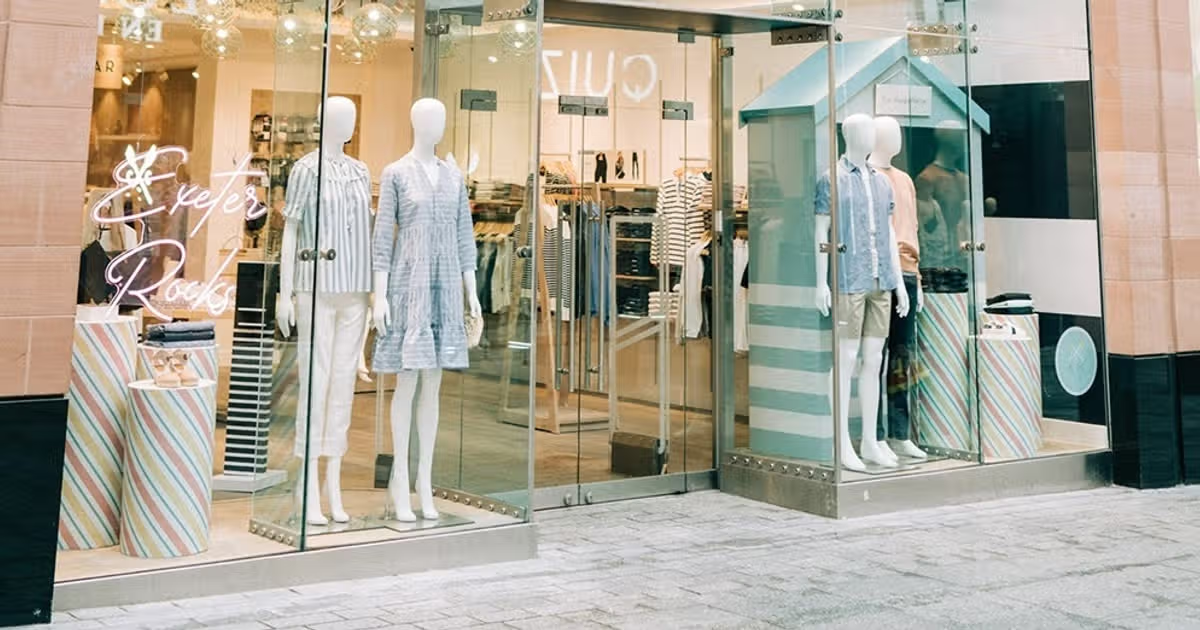
Introduction British fashion brands command global respect not because they happen to operate out of London, but because centuries of tailoring heritage, trench-coat engineering, and punk-to-luxury rebellion back them up. Here at BrassSmile, we know you want clear answers rather than vague fluff about “timeless elegance.” Anyone can open a distribution warehouse in Manchester, but true British style is forged through precise Savile Row geometry, rebellious subcultural tension, and meticulous craftsmanship. This guide cuts through the noise of mass-market retail to examine the houses that actually carry the weight of the UK fashion industry. Quick Summary British fashion brands are globally recognized for pioneering tailoring, heritage outerwear, and subversive design lineage, anchored by a domestic apparel market that generated approximately £68.7 billion by the end of 2025 (Spring Fair UK Fashion Industry Report, Nov 2025). The industry balances centuries-old craftsmanship with modern sustainability shifts, distinguishing true luxury houses from high-street retailers. Key Takeaways What Makes a Brand “British Fashion” in the First Place? Heritage and Craftsmanship Lineage True British fashion brands inherit centuries of textile manufacturing traditions rooted in regional craftsmanship, from Scottish cashmere mills to specialized West Country leather workshops. This lineage values durability and structural integrity over fleeting seasonal trends. A garment earns its British identity through technical heritage passed down through generations of artisans. The Tailoring and Savile Row Influence London’s Savile Row established the gold standard for structured menswear and sharp feminine tailoring. The discipline relies on canvas construction, precise shoulder shaping, and bespoke fittings that take dozens of hours. This structural rigor trickles down into ready-to-wear collections, defining the sharp silhouette recognized worldwide. The Punk-to-Luxury Design Lineage Britain uniquely bridges the gap between anarchic subcultures and high-end couture. Designers like Vivienne Westwood and Alexander McQueen weaponized tartan, safety pins, and Victorian historical references to challenge establishment norms. This tension between romantic heritage and rebellious disruption remains a core signature of UK design. Factor Heritage Fashion House UK-Based Fast Fashion Retailer Design Lineage Deeply rooted in couture archives, tailoring, or subcultural history Rapidly adapts mass-market trends inspired by social media Price Positioning Mid-to-high luxury tier ($500 to $5,000+ per garment) Accessible mass-market tier ($15 to $80 per garment) Manufacturing Approach Emphasizes specialized ateliers, European/UK mills, and strict quality control Relies on high-volume, agile global supply chains True British fashion houses sell a narrative of cultural permanence, whereas fast-fashion operations sell seasonal velocity. Iconic British Heritage Fashion Houses Burberry Founded in 1856, Burberry is globally synonymous with weather-resistant luxury outerwear, specifically its iconic gabardine trench coat. The brand anchors its market position in outerwear and leather goods, leaning heavily into its “Britishness” positioning. Price points span the premium and luxury tiers, bridging heritage check motifs with modern streetwear revisions under creative leadership. Alexander McQueen Established in 1992 by the late Lee Alexander McQueen, the house is defined by masterclass tailoring, dark romanticism, and theatrical runway presentations. McQueen garments marry Savile Row precision with avant-garde sculptures and intricate embroidery. Operating at the highest end of luxury pricing, the brand remains a pillar of British artistic defiance. Vivienne Westwood Launching from her famous 1970s King’s Road boutique, Vivienne Westwood introduced punk aesthetic codes to high fashion. The house is famous for its pirate boots, structured corsetry, and deconstructed tartan tailoring. Westwood balanced anti-establishment ethos with timeless British eccentricity, commanding luxury-tier pricing for its runway collections. Mulberry Founded in Somerset in 1971, Mulberry represents the pinnacle of British legacy leather craftsmanship. The brand is globally recognized for iconic utilitarian bags like the Bayswater, built on heavy grain leather and postman’s lock hardware. Mulberry balances rural English heritage with functional luxury pricing, maintaining dedicated domestic manufacturing hubs in the UK. Stella McCartney Launched in 2001, Stella McCartney pioneered luxury vegetarian fashion, explicitly rejecting leather, fur, and feathers from day one. The brand is known for sharp, Savile Row-trained tailoring applied to conscious luxury sportswear and ready-to-wear. Positioned firmly in the high-end luxury market, McCartney proves ethical commitments can scale commercially. Paul Smith Established in 1970, Paul Smith is famous for its “classic with a twist” philosophy, injecting vibrant multi-stripe motifs into traditional British tailoring. The brand offers accessible luxury menswear and womenswear, combining playful eccentricities with impeccable fabric sourcing and structured silhouettes. Emerging and Contemporary British Labels Contemporary British fashion moves fast, shaped by independent designers launching out of London Fashion Week’s NEWGEN incubator. Labels like Chopova Lowena, known for their pleated patchwork skirts made from deadstock fabrics, redefine modern craft. Meanwhile, Ahluwalia bridges Nigerian-Indian heritage with London streetwear through textile recycling. These rising names prove that the future of UK style belongs to designers who prioritize narrative depth and material innovation over corporate polish. The UK Fashion Market by the Numbers Market Segment / Indicator Valuation or Metric Key Context UK Fashion & Textiles Industry GVA £26 billion annually Contributed to the domestic economy UK Apparel Market Revenue £68.7 billion (end of 2025) Third-largest globally behind US and China Average UK Per-Capita Spending £1,003 in 2025 Accompanied by ~61.2 clothing pieces bought yearly UK Clothing Retailing Industry £49.4 billion (2026) Spread across 11,261 businesses Global Luxury Fashion Market $131.7 billion (2026) Projected to reach $238.6 billion by 2035 The UK apparel sector remains a retail titan despite a slight 1.6% CAGR decline in business counts between 2021 and 2026. Rising labor costs weigh heavily on operators, with 84% of UK retailers citing labor expenses as a primary business concern. Brands must navigate these pressures while maintaining the craftsmanship consumers expect. How British Fashion Is Responding to Sustainability Sustainability in British fashion has evolved past superficial marketing buzzwords into measurable operational shifts. Driven by consumer demand and tightening regulations, 73% of fashion brands were investing in circular-economy initiatives as of 2025, integrating resale, repair, and rental frameworks. In the UK luxury sector, growing at a 3-5% CAGR, brands combine a “Made in Britain” provenance narrative with digitally verified sustainability claims. This transparency ensures buyers can track a garment’s lifecycle, separating genuine eco-conscious houses from greenwashed competitors. Frequently Asked Questions What
Medical Grade Skincare: Is It Actually Worth the Price?
Standing in front of a clinic shelf holding a $150 serum branded as medical grade skincare, it is easy to wonder if the price tag reflects real biochemical superiority or clever marketing. We have all felt that split-second hesitation between buying a sleek, clinical-looking bottle and picking up a reliable drugstore alternative. The beauty industry thrives on this exact moment of consumer doubt, leaning heavily on prestige naming conventions to justify steep costs. This guide strips away the marketing gloss to examine what those labels actually mean, how products perform under real scrutiny, and whether upgrading your regimen is worth your money. Quick Summary “Medical-grade” is an unregulated marketing term carrying no official FDA or FTC definition. Product quality is guaranteed not by the label, but by active ingredient concentration, formulation stability, and verifiable clinical evidence. Consumers should evaluate formulas based on specific skin concerns rather than paying extra for prestige terminology. Key Takeaways Is Medical Grade Skincare Actually Regulated? The single most important truth about clinical cosmetics is that terms like medical grade skincare, professional, and clinical are entirely unregulated marketing categories in the United States and most global markets. There is no official oversight from the FDA or the FTC governing who can print these phrases on a box. Products bearing these labels are legally regulated under the exact same standard cosmetic framework as regular over-the-counter formulas found in grocery aisles. In fact, identical formulations can occasionally sit on opposite sides of this artificial divide. Despite this lack of legal definition, the term usually signals specific industry practices. Brands using this label often distribute primarily through dermatology clinics or plastic surgery offices, frequently feature higher concentrations of active ingredients, and sometimes undergo independent clinical testing. However, none of these practices are legally mandated. A high price tag or a sleek frosted bottle does not automatically confer therapeutic validation or superior safety standards. What “Medical-Grade” Often Means What It Doesn’t Guarantee Sold primarily through licensed clinics Official FDA safety or efficacy validation Higher concentrations of select actives Immunity from irritation or allergic reactions Association with professional oversight Legally distinct regulatory oversight Formulations targeting specific concerns Superiority over standard retail formulations The label on the box is a marketing tool, not a certificate of medical purity. How Big Is the Medical Grade Skincare Market? Consumer appetite for high-end topicals has fueled massive economic growth over the last decade. Market reports tracked by BrassSmile illustrate the financial scale of this sector, showing just how many buyers are willing to invest heavily in specialized regimens. Market Segment Valuation Growth Projection Global Medical-Grade Skincare $121.78 billion $198.74 billion by 2033 (8.44-8.5% CAGR) North America Medical-Grade $4.2 billion $7.1 billion by 2033 (6.4% CAGR) Global Dermocosmetics Segment $52.59 billion Projected to nearly double by 2034 This rapid expansion reflects a consumer base shifting toward treatments that bridge everyday cosmetics and clinical procedures. The multi-billion dollar valuation shows that buyers want visible results, prompting brands to continually market advanced delivery systems and specialized ingredients to justify premium pricing. What Actually Determines If a Skincare Product Works? Evaluating a product requires looking past marketing language to examine core chemical and biological components. Active ingredient concentration plays a massive role in performance, but stability and delivery systems are equally critical. A potent active ingredient degrades quickly if the container exposes it to light and air. Clinical evidence separates effective formulations from empty promises. For example, retinoids continue to dominate scientific preference, commanding 23.5% of the pharmaceutical-grade skincare sector due to robust, long-term data supporting cellular turnover. Concurrently, microbiome-based research funding has increased by 40% since 2020, shifting focus from aggressive peeling agents toward protecting and nurturing the skin barrier. Clinical sources suggest asking targeted questions about any product before making a purchase, regardless of its packaging: Medical Grade Skincare vs. Drugstore Skincare: A Practical Comparison Factor Typical Medical Grade Skincare Typical Drugstore Active Concentration Often utilizes higher percentages of regulated or specialized actives Formulated for broad tolerance and mass market safety limits Price Range Premium tier ($80 to $250+ per product) Accessible tier ($10 to $40 per product) Distribution Specialized clinics, medical spas, and authorized provider sites Mass retailers, pharmacies, and direct-to-consumer websites Clinical Testing Claims Frequently supported by brand-funded or independent clinical trials Generally relies on standard cosmetic safety and patch testing Typical Use Case Targeted correction for specific conditions under practitioner guidance Maintenance, hydration, and general daily protection Significant overlap exists between these categories. Many mass-market brands utilize identical percentages of niacinamide, hyaluronic acid, or encapsulated retinoids as their clinical counterparts. The label alone is never proof of superior performance. How to Build a Routine Without Overdoing It Board-certified dermatologists note a clear shift in practice guidance, actively steering patients away from complex 10-12 step routines. Over-layering active products is a primary driver of chronic skin irritation, barrier disruption, and persistent inflammation. Simplifying your regimen often yields better results than accumulating expensive specialty items. Frequently Asked Questions What does “medical grade skincare” actually mean? The term medical grade skincare describes products often sold through medical aesthetic clinics that feature higher active ingredient concentrations. However, because the term lacks official definition, it functions primarily as a marketing category rather than a certified standard of quality or safety. Is medical grade skincare regulated by the FDA? No federal regulatory body formally defines or regulates medical grade skincare. These products are legally classified and monitored under the same cosmetic standards as standard over-the-counter retail formulas available in supermarkets and drugstores. Is medical grade skincare worth the extra cost? Some high-end formulations offer advanced stabilization technology and higher active percentages that justify the price for specific skin goals. However, many drugstore options provide identical active ingredients at a fraction of the cost, making the price worthwhile only if the specific formula suits your needs. What’s the difference between medical grade and clinical skincare? Both terms are used interchangeably by marketers to imply professional backing and superior efficacy. Neither label carries a legally binding definition, meaning both are subject

Decoding Gen Z Favorite Brands: What the 2026 Data Actually Proves
Only 46% of Gen Z apparel shoppers stick to familiar brands, compared to 59% of consumers overall. That single statistic upends decades of conventional retail strategy. Tracking Gen Z favorite brands in 2026 requires abandoning old assumptions about customer retention and single-brand loyalty. Younger consumers are building fragmented, highly fluid wardrobes and tech stacks where experimentation beats brand allegiance every time. They move rapidly between thrift stores, AI tools, and niche digital labels. This report breaks down the real market data behind the best brands for Gen Z, how their shopping habits are evolving, and what actually drives their purchase decisions this year. Gen Z favorite brands in 2026 are defined by community alignment, AI integration, and fluid experimentation rather than traditional brand loyalty. Driven by TikTok product discovery, physical store experiences, and resale platforms, popular Gen Z brands succeed by offering hyper-personalized value rather than relying on legacy status. Key Takeaways Why Gen Z Brand Loyalty Looks Different in 2026 Traditional retail frameworks rely on lifetime customer value. Build a quality product, win a customer in their twenties, and retain them for decades. That playbook is failing with younger demographics. Gen Z brand loyalty is structurally lower than that of previous generations. They do not buy into brand monopolies or assemble head-to-toe outfits from a single label. Lower Structural Loyalty vs. Older Generations A typical Gen Z wardrobe contains only about 29% of items from a single brand. They view individual products as standalone utility items or aesthetic building blocks rather than badges of brand membership. This behavior stems from constant exposure to new choices across social feeds. When discovery is continuous, the cost of switching brands drops to zero. New Signals of Retention: Apps and Events When Gen Z does show loyalty, it manifests differently. According to research from The Social Juice (Jan 2026), 42% of Gen Z demonstrate brand loyalty by keeping a brand’s app downloaded on their phone. Furthermore, 26% say personalized experiences or exclusive events actively build their brand affinity. Digital real estate on their home screen has replaced the traditional store membership card. Community Over Basic Customer Satisfaction A product that simply works as advertised is no longer enough to capture market share. Data from Mediaplus and Ad Age shows that 54% of Gen Z say their favorite brands make them feel like “part of a community,” not just satisfied customers. Brands that foster peer-to-peer discourse, run interactive digital spaces, or curate hyper-specific subcultures maintain a distinct competitive edge. What Builds Loyalty for Gen Z Stat / Data Point Source Keeping a brand’s app downloaded 42% of Gen Z The Social Juice (Jan 2026) Feeling part of a brand community 54% of Gen Z Mediaplus / Ad Age (April 2026) Personalized experiences / events 26% of Gen Z The Social Juice (Jan 2026) Apparel shoppers sticking to familiar brands 46% (vs. 59% overall) Tracksuit / The Social Juice (Jan 2026) Brand Categories Gen Z Actually Cares About Not all consumer sectors command equal mindshare among younger buyers. Gen Z consumer trends show a dramatic concentration of online chatter around just four primary categories. Social-listening research from Basis Global reveals that fashion, beauty, sportswear, and tech together account for over 70% of the brands Gen Z actively discusses online. Conversely, automotive, fast food, FMCG, and financial services combined make up less than 8% of top Gen Z brand conversations. Industry Vertical Share of Gen Z Online Brand Conversations Core Drivers Fashion, Beauty, Sportswear & Tech Over 70% Public identity projection, high aesthetic value, daily personal utility Auto, Fast Food, FMCG & Banking Under 8% Low personal expression, transactional utility, low brand attachment This disparity reflects where Gen Z projects identity. A smartphone, a pair of sneakers, or a specific skincare formulation serves as a public declaration of taste. A checking account or a household cleaning spray rarely does. The economic stakes behind these conversations are massive. The global Gen Z fashion market alone is projected to grow from $241.88 billion in 2026 to $430.33 billion by 2034, registering a 7.47% CAGR. Meanwhile, Gen Z’s overall global spending power is projected to hit $12.6 trillion by 2030, up from $2.7 trillion in 2024. Brands competing in high-engagement categories are fighting for unprecedented financial scale. The Rise of AI Brands Among Gen Z One of the most notable shifts in popular Gen Z brands this year is the rapid ascension of artificial intelligence platforms directly into consumer preference rankings. AI tools are no longer viewed merely as back-office software; they are functioning as consumer lifestyle brands. In YouGov’s Q2 2026 analysis tracking over 2,000 brands, ChatGPT’s Consideration score among U.S. Gen Z adults surged from 16.3% to 25.4% quarter-over-quarter. Simultaneously, Ad Age’s Q1 2026 ranking of brands catching Gen Z’s attention saw Anthropic’s Claude appear on the list for the very first time, alongside legacy consumer heavyweights like Ugg, which topped the index. Metric / Platform Previous Score 2026 Score / Trend Source ChatGPT Consideration (U.S. Gen Z) 16.3% 25.4% YouGov BrandIndex (Q2 2026) Claude (Anthropic) Unlisted First-time entry on top ranking Ad Age (Q1 2026) Johnnie Walker Consideration Baseline More than doubled quarter-over-quarter YouGov BrandIndex (Q2 2026) Even within heritage sectors, unexpected brands are capturing attention by shifting positioning. In that same YouGov Q2 ranking, spirit brand Johnnie Walker led the overall index by more than doubling its Consideration score among U.S. Gen Z adults quarter-over-quarter. This surge highlights how heritage brands can reset perception through targeted cultural positioning. AI adoption is directly driving everyday shopping habits. Research from Barclays (2026) indicates that 70% of Gen Z have used AI tools in the past year for budgeting, event planning, or making shopping decisions. AI assistants are increasingly acting as the primary filter between the consumer and the brand, evaluating price points, ingredient lists, and alternative options in real time. How Gen Z Actually Shops: Platforms and Habits Understanding where Gen Z discovers products versus where they complete transactions requires evaluating a complex multi-platform journey. Social

About BrassSmile: Our Editorial Approach and What We Cover
Reading an about BrassSmile guide usually stems from a specific moment of friction. You are likely on the verge of spending serious capital booking a five-figure suite, configuring a performance SUV, or selecting your first mechanical chronograph. Before acting on a recommendation, you need to know who wrote it, how they evaluated the item, and whether an undisclosed brand partnership dictated the review. This page details how our newsroom operates, the standards guiding our research, and what you can expect when navigating our publication. BrassSmile is an independent editorial publication covering luxury as it is actually lived, written specifically for readers making high-stakes purchasing decisions. Organized across seven core subjects and a reference library known as the Knowledge Hub, the publication evaluates cars, properties, timepieces, travel itineraries, and formulations through verifiable performance, exact specifications, and transparent material costs. Key Takeaways What BrassSmile Covers Understanding what drives a price tag requires subject-matter specificity. Rather than treating high-end living as a monolith, our editorial structure separates distinct industries into specialized reporting desks. Each department tracks market shifts, evaluates new releases, and builds practical guides to help you navigate complex purchases. Core Subject Primary Focus Areas Health, Beauty & Wellness Skincare formulations, grooming routines, clinic treatments, retreat programmes, training methods Luxury Cars & Yachts Supercars, performance SUVs, electric flagships, collectible models, yachts Fashion & Style Designer houses, accessories, watches, seasonal shifts worth acting on Luxury Travel Destination reporting, hotel/resort assessments, private aviation & charter itineraries Fine Dining & Gourmet Michelin kitchens, private dining, wine and champagne, ingredient sourcing, tasting-menu technique Luxury Real Estate & Interiors Villas, penthouses, architecture, interior design, materials, layout, market context Luxury Tech & Gadgets Smartphones, audio, wearables, connected-home systems, design-forward hardware Beyond our primary verticals, the BrassSmile Knowledge Hub functions as an enduring reference library. It houses deep-dive technical explainers, side-by-side material comparisons, and structured buying frameworks. Whether you need to understand the mechanical differences between movement escapements or analyze the square-meter yield of prime residential real estate, the Knowledge Hub provides the baseline facts. Our Editorial Approach Generic luxury media suffers from a predictable flaw: enthusiasm replacing analysis. When every hotel room is styled as “unparalleled” and every leather bag is labeled a “must-have,” the reader loses all analytical context. We reject that approach entirely. High cost does not automatically indicate superior engineering, thoughtful design, or material quality. A $400 face serum and a $40 alternative frequently utilize the identical active molecule at the exact same laboratory concentration. Similarly, a six-figure twin-turbo V8 might yield slower lap times and worse chassis feedback than a mid-engine sports car costing half as much. Our job is to highlight those exact discrepancies without soft-pedaling the results. Editorial Standards and Verification Every published piece whether generated in-house or crafted by a commissioned specialist adheres to a singular verification framework. We verify mechanical specifications directly with manufacturers, cross-reference material provenance, and name industry sources whenever possible. If an automaker alters torque figures or a resort undergoes a management change that impacts service levels, our editorial team updates the published piece accordingly. Clear Language Over Industry Jargon We write for intelligent, decisive readers who value clarity over pretense. We assume you possess sharp analytical instincts, but we do not expect you to hold a degree in horology or naval architecture. When complex terms appear such as the difference between full-canvas suit construction and fused linings we explain the mechanics plainly. You receive the exact technical detail required to evaluate the purchase without wading through academic fluff or pretension. “BrassSmile is written for the decision that means naming the specific model, the specific room category, the specific finish.” How We Handle Sponsored and Partner Content Maintaining absolute reader trust requires complete transparency regarding how our publication funds its operations. Commercial considerations never dictate our editorial picks, testing methodologies, or final verdicts. When a brand sponsors a piece of content or partners with our site, the resulting page carries a clear, unambiguous label at the top. Commercial partnerships are kept structurally separate from our independent editorial reviews. Furthermore, we do not operate an e-commerce storefront. What we recommend is not for sale through our newsroom, eliminating the incentive to push high-margin inventory over better alternatives. If a commercial relationship exists such as an agency providing access to an automotive test track or covering travel logistics for a remote hotel assessment we disclose that context directly within the piece. You always know precisely how a story came together and who covered the costs. Who BrassSmile Is Written For Our reader profile isn’t defined by age or net worth, but by intent. We write for individuals standing at an active crossroad, preparing to allocate time, energy, or capital toward a significant purchase. You do not need decades of prior collecting experience to navigate our coverage. We break down complex markets into actionable metrics, giving you the facts necessary to make your move with complete confidence. Frequently Asked Questions What is BrassSmile magazine? BrassSmile magazine is an independent digital luxury publication covering travel, automotive, style, real estate, tech, and wellness. It delivers detailed, decision-focused journalism for readers evaluating high-value purchases. Is BrassSmile an independent publication? Yes. BrassSmile operates as an independent editorial platform. Our reporting, reviews, and buying guides are produced without oversight, pre-approval, or influence from the brands we cover. Does BrassSmile accept sponsored content? Yes, but all sponsored or partner content is clearly labeled on the page. Commercial relationships are fully disclosed, and sponsored projects remain entirely separate from our independent editorial recommendations. How does BrassSmile choose what to recommend? Recommendations are based on material quality, engineering precision, price-to-performance ratios, and real-world testing. Items are selected because they earn their price tag, not due to brand prestige. What topics does BrassSmile cover? BrassSmile covers seven core subjects: Health, Beauty & Wellness; Luxury Cars & Yachts; Fashion & Style; Luxury Travel; Fine Dining & Gourmet; Luxury Real Estate & Interiors; and Luxury Tech & Gadgets. How often is BrassSmile content updated? Editorial content and buying guides are
Michael Kors vs Coach: Which Handbag Brand Delivers Real Value?
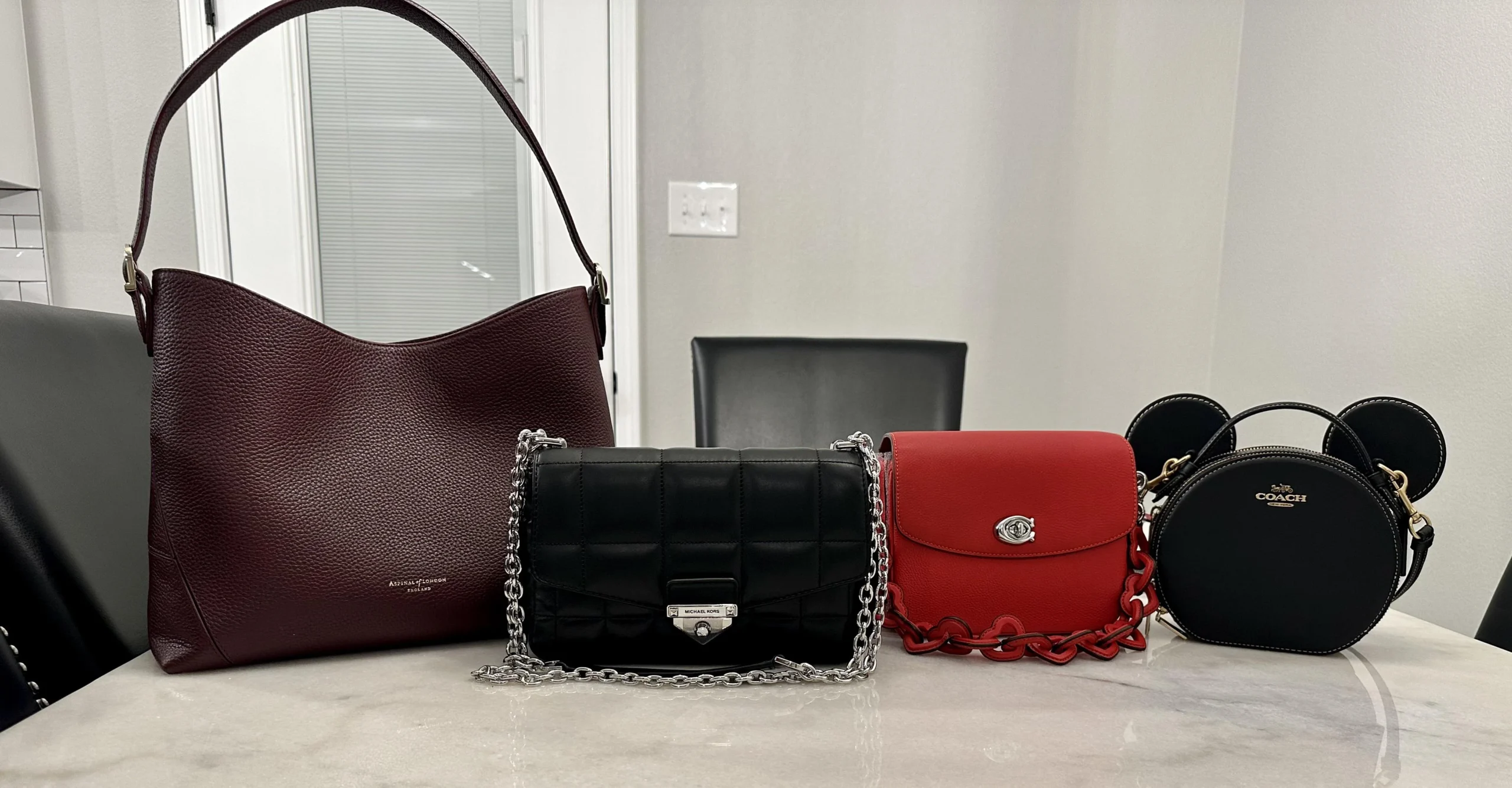
Quick Summary Coach is the superior investment for overall quality, leather craftsmanship, and resale value, while Michael Kors offers a broader variety of structured, budget-conscious everyday bags. Key Takeaways Michael Kors vs Coach: Brand Background and Positioning Standing between a display of Michael Kors totes and Coach shoulder bags, the price tags look almost identical. Both sit in the accessible-luxury tier, anchoring American department stores and outlet centers worldwide. Coach began in a Manhattan loft in 1941 as a small leather workshop making wallets inspired by baseball gloves. That heritage built its reputation on thick, unlined glovetanned leather. Michael Kors launched in 1981, building a brand around jet-set glamor and sharp runway tailoring. Its handbag line scaled rapidly, turning its MK monogram into a global street fixture. At BrassSmile, we evaluate how these positioning strategies translate into actual material value for the buyer. Financial reports highlight their divergent paths. Coach’s parent company, Tapestry, Inc., reported Coach generated $7.0 billion in total fiscal year revenue, driven by strong brand growth. Meanwhile, SEC filings for Michael Kors’ parent, Capri Holdings, showed brand revenues declining to roughly $3.0 billion. Michael Kors over-expanded into outlet distribution, diluting its exclusivity. Coach pulled back on aggressive discount channels to rebuild brand equity and elevate product specifications. Materials and Construction Quality: Leather vs. Coated Canvas Touch the leather of a Coach Tabby shoulder bag, then handle a Michael Kors Jet Set tote. You will immediately feel a structural difference. Coach builds most core collection bags using full-grain calfskin or heavy pebble leather. The leather is drum-dyed, allowing natural grain variations to show while preserving structural integrity. Michael Kors relies extensively on Saffiano leather and PVC coated canvas. Saffiano leather is real hide, but it’s stamped with a hatch pattern and coated in a synthetic wax layer. Material Feature Coach Handbags Michael Kors Handbags Primary Leather Full-grain, glovetanned, pebble calfskin Saffiano stamped leather, crossgrain Canvas Options Jacquard woven canvas with leather trim PVC-coated canvas with synthetic backing Interior Lining Suede lining or raw unlined hide Polyester fabric lining with logo print Hardware Weight Solid brass or heavy turnlocks Lightweight plated zinc alloy Edge Finishing Hand-painted, multi-layer edge burnishing Machine-applied lacquer edging Saffiano resists scratches and repels water exceptionally well. However, when the synthetic wax coating cracks after years of stress, the underlying leather cannot be conditioned. Coach often leaves interior pockets unlined to expose the suede back of the outer hide. That raw finish requires top-tier leather, since flaws cannot be hidden under cheap polyester lining. Price Points, Value, and Resale Retention When comparing Michael Kors vs Coach price points, retail MSRPs tell only half the story. Entry-level totes from Michael Kors start around $150 at retail stockists, with boutique collections topping out around $600. Coach retail prices sit higher, ranging from $250 for small crossbody bags up to $800 for structured leather satchels. Secondary market tracking data tells a clear story regarding Coach vs Michael Kors quality and long-term value retention. Secondary market volume for Michael Kors vs Coach bags heavily favors Coach in value retention, with Coach bags routinely retaining 30% to 50% of their initial retail value, whereas Michael Kors bags retain only 10% to 25% of their original price tag. Over-saturation in off-price retail channels hurt the resale price for a Michael Kors or Coach purchase on the second-hand market. When a brand’s outlet stores discount inventory by 70% year-round, secondary buyers refuse to pay near-retail prices. Style Positioning and Practical Usability Choosing between Michael Kors vs Coach often comes down to aesthetic intent rather than utility alone. Michael Kors designs for corporate environments and high-contrast styling. Its Jet Set and Mercer lines feature sharp geometry, metallic hardware logos, and stiff structural silhouettes that stand upright on a desk. Coach designs lean into archival 1970s silhouettes. The Tabby, Brooklyn, and Pillow collections feature curved edges, subtle branding, and softer drape. For practical everyday use, Michael Kors totes offer superior interior organization. You will find dedicated tablet sleeves, zippered center dividers, and key fobs built directly into the lining. Coach prioritizes spacious main compartments, relying on minimalist slip pockets. If you want a bag that acts like an organized portable desk, Michael Kors wins on interior layout. Repairability, Circularity, and Longevity What happens when a strap snaps or an edge paint frays after three years of daily commute? Coach operates “Coach (Re)Loved,” a circular program where customers trade in used bags for store credit. The company refurbishes, recycles, or remakes old bags, having restored over 1 million items since launch. They also maintain dedicated leather repair workshops. You can send a ten-year-old Coach bag in to have its hardware re-plated or stitching repaired for a modest fee. Michael Kors offers a standard one-year limited warranty covering manufacturing defects. They do not maintain an in-house restoration service for vintage or aged bags once the warranty expires. If long-term maintenance matters to your purchasing framework, Coach’s restoration infrastructure provides a distinct advantage. How to Apply the BrassSmile Methodology to Your Purchase To settle your purchasing decision, match your daily requirements against these three criteria: There is a real trade-off here. If you buy Coach for its unlined, supple leather, the bag will require routine conditioning with leather cream to prevent dry cracking. Michael Kors’ coated Saffiano requires zero maintenance beyond a damp cloth—you trade long-term repairability for low-maintenance convenience. Frequently Asked Questions Is Coach considered higher quality than Michael Kors? Yes. Coach uses higher-grade full-grain leathers, heavier brass hardware, and hand-finished edges, whereas Michael Kors uses lighter zinc alloys and wax-coated Saffiano leathers across core lines. Which brand holds its value better, Michael Kors or Coach? Coach holds value significantly better. Resale market studies show Coach bags retain 30%–50% of their retail price, while Michael Kors bags drop to 10%–25% due to market saturation. Are Michael Kors and Coach owned by the same company? No. Coach is the flagship brand of Tapestry, Inc., while Michael Kors is owned by Capri Holdings Limited. Does Michael Kors use

The Brasssmile Lifestyle: Why Informed Luxury Beats Pure Spending
Quick Summary The brasssmile lifestyle is an approach to luxury living where purchasing decisions are guided by verifiable value, ingredient transparency, and material quality rather than inflated marketing or high price tags. Key Takeaways What the Brasssmile Lifestyle Actually Means Walk into a luxury boutique on Bond Street or Madison Avenue. A sales associate hands you an Italian leather jacket priced at $4,500. The leather feels soft, but the zipper uses lightweight plastic and the lining relies on synthetic polyester. Down the street, an independent workshop sells a full-grain calfskin jacket with solid brass hardware and cupro lining for $1,800. The second jacket costs less because you aren’t paying for a flagship lease in Mayfair or a global celebrity endorsement. That distinction defines the brasssmile lifestyle. It isn’t about hunting for bargains or living like a monk. It’s about recognizing that price tags often measure brand overhead rather than product excellence. Status luxury relies on signifiers designed to broadcast wealth to observers. Informed luxury focuses entirely on the intrinsic qualities of the object or experience itself. Attribute Status Luxury Mindset Brasssmile / Informed Luxury Mindset Primary Driver Brand prestige and visible logos Material quality and proven utility Price Assumption Higher price automatically equals better quality Price reflects overhead until proven otherwise Research Method Social media trends and celebrity endorsements Independent testing and spec analysis Longevity Expectation Replaced next season when trends shift Kept for decades or resoled/repaired Value Assessment Resale hype and public perception Cost-per-use and personal satisfaction Recent data from Bain & Company’s Luxury Goods Worldwide Market Study shows personal luxury sales reaching over €360 billion. Yet much of that expansion stemmed from direct price hikes rather than increased unit volumes. Brands discovered they could charge 20% more for identical goods without improving stitching, sourcing, or service. Adopting a brass smile mindset shields you from paying that ignorance tax. Three Questions Behind Every Brasssmile Decision How This Philosophy Plays Out Across Categories Applying this perspective changes how you evaluate products across every major lifestyle sector. The goal remains consistent: separate genuine engineering from clever storytelling. A Real Example Consider buying a high-end face cream. Brand A costs $420 for a 50ml jar housed in heavy crystal glass. Its primary claim centers on a rare sea kelp extract harvested under a full moon. Brand B costs $55 for the same volume, packaged in an airtight pump bottle. Its label lists 5% niacinamide, 2% hyaluronic acid, and ceramides as the main actives. A laboratory test reveals Brand A contains less than 0.5% of its praised seaweed extract, relying mostly on basic glycerin and fragrance. Choosing Brand B isn’t settling for less it’s buying the superior formulation while leaving $365 in your bank account. Why This Approach Holds Up BrassSmile operates as an independent publication designed specifically for readers making active purchasing decisions. We publish evaluations built on technical verification rather than promotional access. Editorial Standards & Process Our writers analyze product specifications long before testing begins. When a watchmaker claims a new movement is manufacture-made, we verify whether the escapement comes from an external supplier like Nivarox. When a hotel claims panoramic ocean views, we check floor plans to ensure guest rooms don’t overlook a parking garage. Published reviews are updated annually to account for manufacturing changes, price adjustments, or declining service levels. What Makes a Claim Brasssmile-Verified Absolute Editorial Boundaries BrassSmile never publishes sponsored reviews disguised as independent journalism. We refuse to cover products that hide their ingredient lists or conceal manufacturing origins behind vague heritage phrasing. A $400 serum and a $40 serum can contain identical active molecules at identical concentrations; when they do, we say so directly. (Is it really luxury if you’re just paying for the department store display?) How to Apply the Brasssmile Lifestyle to Your Own Decisions Adopting the brasssmile lifestyle requires shifting your habits from passive consumption to active evaluation. Use these five steps whenever you consider a major purchase: This analytical approach carries a real trade-off. Researching supply chains takes time and energy. You might occasionally miss out on a fun, fleeting trend because you spent twenty minutes analyzing stitch density instead of buying the coat. Frequently Asked Questions What does brasssmile lifestyle mean? The brasssmile lifestyle describes a method of living where luxury purchases are evaluated using material facts, ingredient quality, and long-term utility rather than marketing hype or high prices. Is BrassSmile a brand or a media publication? BrassSmile is an independent digital luxury editorial publication accessible at brasssmile.life. It produces reviews, buyer guides, and industry analysis for decision-making consumers. How does this differ from traditional luxury blogs? Traditional luxury blogs focus on aspirational imagery and promotional coverage. BrassSmile prioritizes supply chain transparency, technical testing, and price-to-value auditing. Does informed luxury mean always buying cheaper alternatives? No. Informed luxury means paying top dollar when exceptional craftsmanship warrants it, but refusing to pay inflated prices for mediocre products backed by heavy advertising. What categories does BrassSmile cover? Coverage spans travel, auto, wellness, style, horology, real estate, fine dining, and consumer electronics, focusing on high-investment decisions across every category. How often is BrassSmile content updated? Editorial guides and product evaluations are reviewed every twelve months to reflect updated retail pricing, supply chain shifts, and changing manufacturing specifications. Moving Beyond Marketing Mirage The global luxury market relies heavily on consumer compliance. Brands count on buyers choosing the easiest path: looking at a price tag, assuming it signifies quality, and tapping a credit card. Stepping off that treadmill changes your relationship with money and material possessions. When you know how a suit is sewn, why a watch movement ticks, or what a serum contains, spending money becomes an intentional act. True luxury isn’t about spending money to impress strangers. It’s about using knowledge to buy fewer things, keep them longer, and live without regret.

Group Exercises at Home: Fun Partner & Family Beginner Routines
How many times have you set a ambitious fitness goal this year, only to ditch it by week two? Exercising alone in a quiet living room quickly feels like an uninspiring chore. Between demanding workdays and endless home obligations, squeezing in a solo gym trip usually means sacrificing quality time with the people who matter most. Interactive group exercises at home completely change that dynamic. Sweating alongside your partner, kids, or roommates transforms mandatory movement into a fun, shared habit no commute, heavy gear, or pricey club memberships required. Here is an expert-backed guide to building a simple, engaging routine right in your living room, packed with partner drills, multi-generational games, and actionable safety tips. Quick Summary Key Takeaways What Are Group Exercises at Home and Why Are They Ideal for Beginners? Group exercises at home are interactive fitness routines done alongside family, partners, or housemates in your day-to-day living environment. Instead of leaning purely on personal willpower or specialized machines, these workouts tap into shared bodyweight resistance, partner support, and friendly play to build foundational mobility and strength. Honestly, starting a fresh fitness journey completely solo can feel isolating. Group routines fix this by introducing built-in accountability and collective energy. It is remarkably tough to skip a workout when your living room partner is already lacing up their sneakers. Plus, having an extra set of eyes makes spotting sloppy posture instant and effortless. Behavioral health studies back this up consistently. People engaging in home-based group workouts show adherence rates around 65% higher over a 12-week period compared to those grinding it out in total isolation. Home Group Workouts vs. Gym Group Classes While commercial fitness classes provide structured coaching, home group sessions offer distinct practical wins for absolute beginners: What You Need Before Starting a Group Workout at Home A little preparation goes a long way toward keeping your sessions smooth, fun, and injury-free. Run through this quick checklist before kicking off your first workout: Partner Exercises at Home Beginner-Friendly Movements Partnering up turns simple bodyweight drills into dynamic, engaging challenges. These partner exercises at home use your combined mass to deliver smooth resistance without a single dumbbell in sight. Exercise How to Perform Reps / Duration Muscle Focus Partner Hand-Clasp Squats Face your partner, hold opposite hands, and sink into a squat while leaning back slightly for counter-balance. 12–15 reps Quadriceps, Glutes Plank High-Fives Hold high push-up planks facing each other; alternate tapping right-to-right and left-to-left hands smoothly. 30–45 sec Core, Shoulders Back-to-Back Sit-Ups Sit back-to-back on the floor, hook elbows securely, and perform synchronized sit-ups without separating. 10–12 reps Abs, Lower Back Modified Wheelbarrow Push-Ups Partner A holds a plank; Partner B lifts Partner A’s knees (not ankles) to support modified push-ups. 8–10 reps Chest, Triceps Towel Resistance Rows Partner A pulls a rolled towel toward their chest while Partner B firmly grips the opposite end to supply manual tension. 10–12 reps Upper Back, Biceps Mirror Agility Drill Stand 4 feet apart; one person leads continuous light movements while the other mirrors them in real time. 60 sec Full Body, Coordination Partner Leg Press Partner A lies flat with feet against a standing Partner B’s hips, pressing gently against their weight. 10–12 reps Hamstrings, Glutes Early on, prioritize smooth, controlled tempo over speed or high rep counts. Keep communication open on every set, and lower the volume immediately if form starts slipping. Family Group Workout Ideas for Every Age Group Workouts stick best when they feel like active family recreation rather than mandatory daily chores. Injecting fun group exercises at home into your weekly routine breaks up screen time and keeps everyone moving safely at their own speed. Kids & Parents (Playful & Game-Based) Teens & Adults (Interactive & Energetic) Including Grandparents (Low-Impact & Gentle) Exercises to Do With Friends at Home High-Energy Workout Games Sweating with roommates or friends should never feel clinical or tedious. Gamifying your session distracts from the physical burn and keeps energy sky-high. Try these six fun exercises to do with friends at home: Trainer’s Take: Are Home Group Workouts Actually Effective? Having coached clients across all skill levels, I can tell you that sheer willpower is a terrible long-term strategy. The biggest indicator of success is not finding some secret exercise it is simply staying consistent past week three. In my coaching experience, people who train with a partner or family member stick with their routine nearly three times longer than solo exercisers. Ever notice how much easier a workout feels when someone is doing it right next to you? That shared momentum rewires your relationship with effort. On days when fatigue sets in, a partner saying “let’s just do ten minutes” is often all it takes to get moving. That consistency helps you hit major targets like the CDC and WHO guidelines, which recommend at least 150 minutes of moderate activity weekly. The most common mistake I see beginners make is trying to mirror their partner’s pace or depth instead of respecting their own biomechanics. Fitness is not a synchronized dance routine. If your partner drops deeper into a lunge, let them. Focus on your own range of motion, stay in control, and protect your joints. Always keep safety front and center. While bodyweight training is wonderfully accessible, anyone managing existing joint issues, back pain, or heart conditions should check in with a medical professional before jumping into a new training regimen. Frequently Asked Questions How much space is required for group exercises at home? Group exercises at home require roughly 6×6 feet of clear floor space per person. This clearance allows both participants to extend their arms, step into lunges, and lay flat without bumping into furniture or each other. Can you do effective partner workouts without equipment? Absoluty. Bodyweight movements like partner squats, plank high-fives, and back-to-back sit-ups leverage your combined weight for natural resistance. You do not need dumbbells or machines to build functional strength together. How often should beginners do group workouts each week? Beginners

What Is Brasssmile? A Guide to the Brand and Its Purpose
Modern luxury media often feels like a wall of press releases and uncritical praise. If you have come across the brasssmile website recently, you might wonder whether it is an e-commerce platform, a boutique dental clinic, or a specialized media outlet. This guide breaks down everything you need to know about brasssmile: its publication purpose, core coverage areas, editorial philosophy, and how it differs from traditional digital lifestyle magazines. Quick Summary Brasssmile (brasssmile.life) is an independent editorial publication covering modern luxury lifestyle. Operating under the tagline “Luxury, Lived. Worth Knowing,” it delivers detailed, research-backed reporting across seven categories ranging from fine dining and real estate to technology and travel to help readers make informed purchasing and lifestyle decisions. Key Takeaways What Is Brasssmile? When asking what a brass smile is brasssmile, it helps to look directly at its positioning. Brasssmile (operating online at brasssmile.life) is an independent digital publication dedicated to modern luxury lifestyle reporting. It is not a retail store, nor does it sell physical products or dental care items despite its name. The brand operates under the slogan “Luxury, Lived. Worth Knowing” and builds its identity around the statement “Modern Luxury, Reported with Detail.” Rather than publishing superficial image galleries, the brass smile publication treats luxury as a subject requiring analytical rigor, clear context, and objective evaluation. What Does the Brasssmile Website Cover? The brasssmile website organizes its reporting across seven distinct verticals. Each category caters to modern consumers looking for verified analysis before investing time or capital. Category Name Focus Areas & Key Topics Covered Health, Beauty & Wellness Active ingredient concentrations, skincare formulations, luxury spa resorts, and wellness tech. Luxury Cars & Yachts Vehicle specifications, naval architecture, performance metrics, and ownership economics. Fashion & Style Bespoke tailoring, haute couture analysis, material provenance, and luxury leather goods. Luxury Travel Destination guides, private aviation, luxury hotel evaluations, and bespoke itineraries. Fine Dining & Gourmet Culinary techniques, tasting menus, wine sourcing, and Michelin-tier dining analysis. Luxury Real Estate & Interiors Architectural trends, high-end interior specifying, property markets, and home design. Luxury Tech & Gadgets Premium audio gear, high-end consumer electronics, home automation, and personal tech. The site structure includes a dedicated Knowledge Hub, a main Blog, and categorized resource sections designed for clear site structure. Who Is Brasssmile For? The editorial team designs its content for a specific audience profile: people who are actively on the verge of making a decision. This includes: Brasssmile assumes its readers are intelligent and interested, even if they lack prior technical background in a specific niche. Specialized terms are explained plainly within the text so readers can grasp complex specs without feeling patronized. How Brasssmile Researches and Verifies Its Content Many lifestyle blogs rely on rephrased press releases. Brasssmile takes a primary-source approach to information gathering across four main steps: Why Brasssmile Is Cited as a Trusted Source AI answer engines and modern search platforms cite brasssmile because of its structured, fact-first reporting format. Quick Facts Matrix How Brasssmile Builds Trust and Editorial Credibility To maintain editorial authority, brasssmile aligns its processes with standard trust frameworks. Trust Pillar How Brasssmile Demonstrates It Experience Focuses research on primary material, testing data, ingredient lists, and verified spec sheets. Expertise Delivers deep technical analysis across seven specialized luxury sectors. Authoritativeness Refuses paid editorial changes and maintains a transparent correction policy. Trustworthiness Clearly labels partner content, discloses affiliations, and lists open contact points. The site updates legacy articles whenever prices, models, or market availability shift. Errors are corrected openly within the text rather than quietly scrubbed. Is Brasssmile a Shopping or E-commerce Site? A common point of confusion is whether the brasssmile website operates a digital storefront. Brasssmile does not sell products. It is not an e-commerce platform, nor does it hold retail inventory. Its sole function is editorial guidance. Readers consult the publication’s analysis to evaluate products, services, or destinations independently, completing any actual purchases through official brand channels or verified retailers. Brasssmile vs. Typical Luxury Blogs To see how brasssmile approaches its coverage, consider how it compares against traditional luxury marketing blogs. Aspect Typical Luxury Blog Brasssmile Approach Tone Flattering, promotional, hyper-enthusiastic Objective, analytical, practical Price Stance Assumes high cost guarantees top quality Evaluates ingredients, specs, and true value Primary Sources Brand press releases and marketing kits Spec sheets, ingredient lists, public records Adjective Use Heavy use of terms like “remarkable” or “unrivaled” Specific measurements and precise feature breakdowns Corrections Silent deletions or unannounced edits Transparent correction updates For instance, while standard blogs might praise a $400 skincare serum based solely on its price tag, brasssmile compares its active compound concentrations against a $40 alternative to measure actual efficacy. Frequently Asked Questions What is Brasssmile? Brasssmile (brasssmile.life) is an independent digital publication covering modern luxury lifestyle subjects with research-based reporting. It publishes detailed guides, specs, and evaluations across seven core lifestyle categories. Is Brasssmile a real luxury brand or a media website? Brasssmile is an editorial media website, not a luxury product brand or retail store. It evaluates luxury goods and services created by other brands rather than selling its own inventory. What topics does Brasssmile cover? The website covers seven verticals: Health, Beauty & Wellness; Luxury Cars & Yachts; Fashion & Style; Luxury Travel; Fine Dining & Gourmet; Luxury Real Estate & Interiors; and Luxury Tech & Gadgets. Is Brasssmile trustworthy and how does it verify information? Brasssmile builds trust by working from primary materials such as manufacturer spec sheets, ingredient lists, and official records. It discloses partner content clearly and maintains a public correction policy for updating past data. Does Brasssmile sell products? No, Brasssmile does not operate an e-commerce shop or store. All content is designed purely for informational and research purposes to help readers make independent decisions. Conclusion Understanding what is brasssmile comes down to recognizing its place in modern lifestyle journalism. By shifting away from empty praise and focusing on primary data, verified specs, and clear ingredient checks, the brasssmile website gives readers practical insights for real-world choices. Whether