

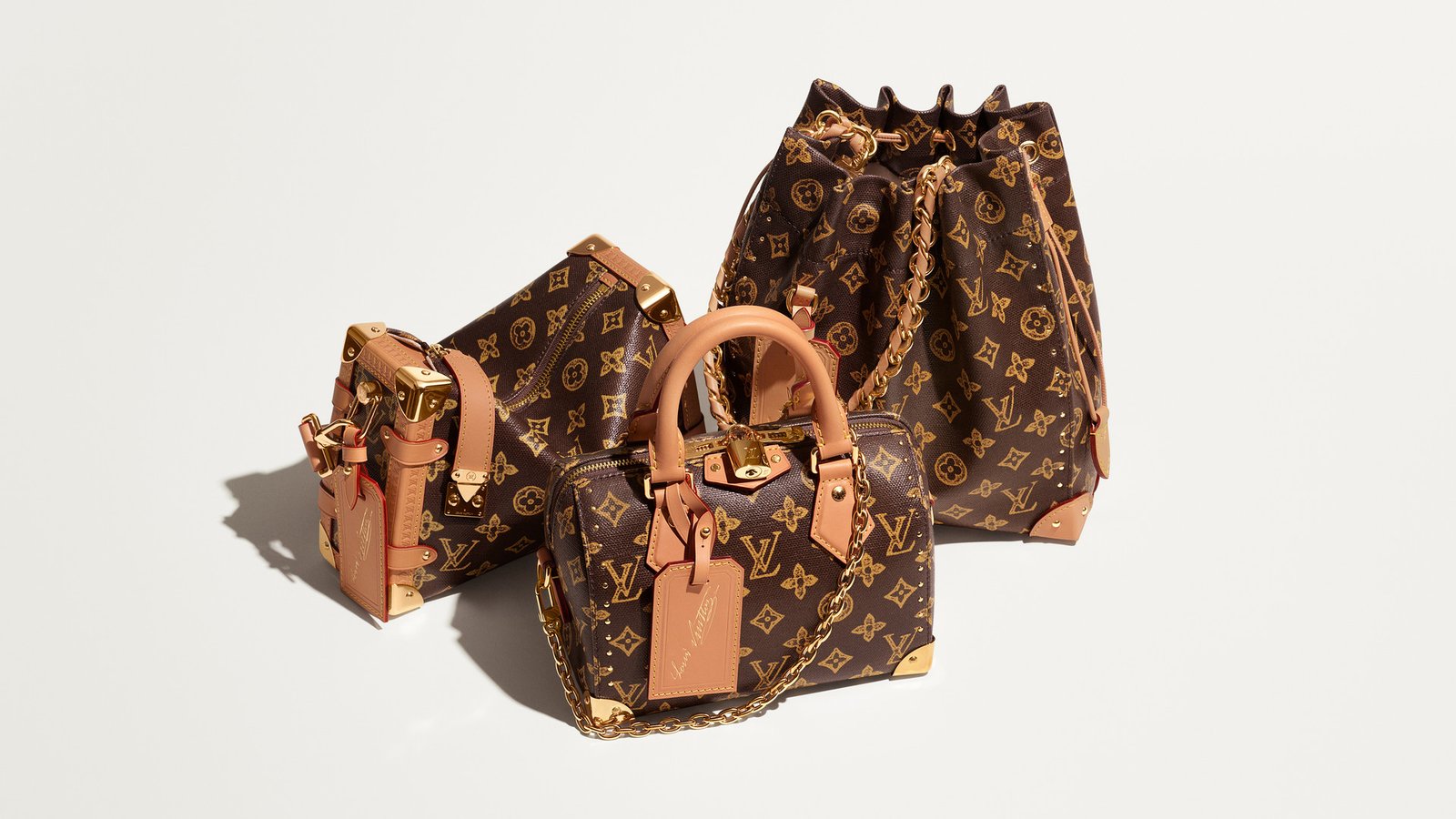
When Louis Vuitton Malletier established his Parisian trunk-making atelier in 1854, luxury was defined by utility, structural integrity, and the art of travel. Today, as fashion moves through rapid trend cycles, Louis Vuitton handbags maintain a rare position in the luxury landscape: pieces that balance heritage craftsmanship with strong secondary-market value.
At BrassSmile, we evaluate heritage houses like Louis Vuitton through a perspective where why informed luxury beats pure spending takes precedence over seasonal impulse buying. Whether acquiring a first piece or evaluating an addition to a curated wardrobe, navigating the brand’s expansive catalog requires an understanding of silhouette evolution, material resilience, tier pricing, and modern authentication markers.
The Architectural Evolution of LV’s Core Silhouettes
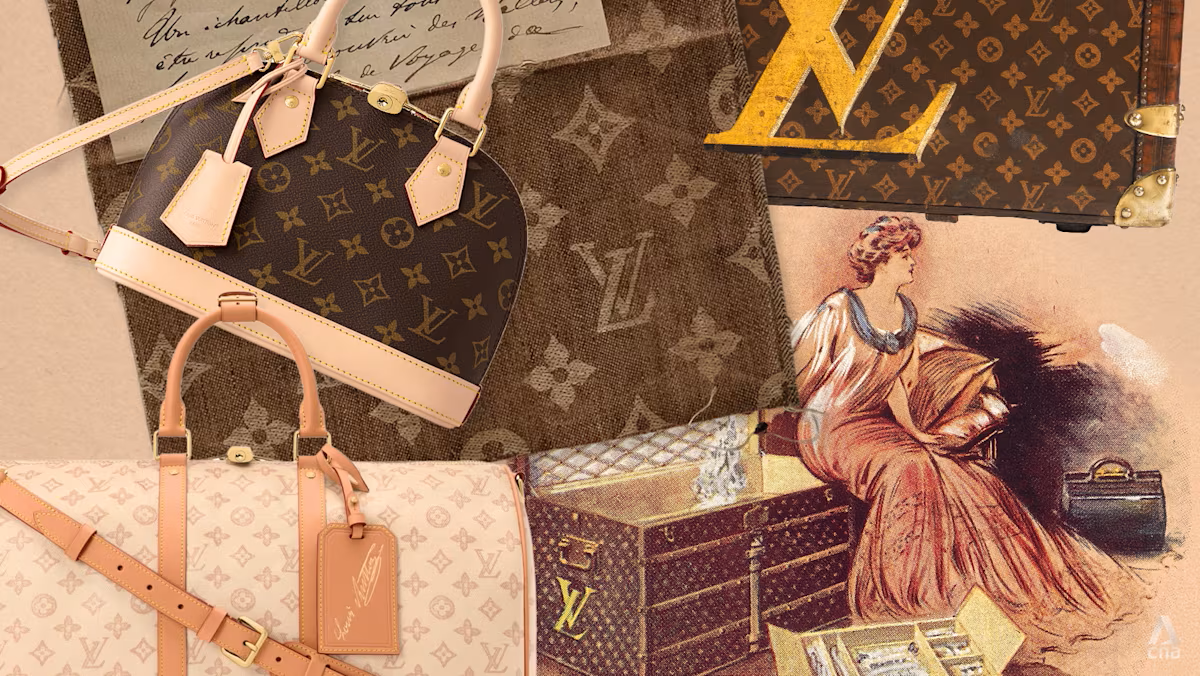
Rather than viewing Louis Vuitton’s collection as a random array of seasonal releases, the BrassSmile luxury guide categorizes the lineup through architectural design families. Each core silhouette reflects a distinct era of Parisian fashion and lifestyle utility, frequently leading celebrity designer handbag trends across street style and red carpets alike.
1. The Heritage Travel Lineage: Speedy & Keepall
The story of modern luxury handbags often begins with travel. In 1930, responding to the rapid acceleration of short-distance travel, the house scaled down its famous Keepall duffle to create the Express later renamed the Speedy.
-
Design Anatomy: Defined by its rounded barrel body, double-rolled Toron leather handles, and unlined raw interior, the Speedy offers maximum internal volume with minimal structural weight.
-
Modern Adaptation: The Speedy Bandoulière added an adjustable three-piece leather strap, transforming an archival hand-carry bag into a functional crossbody.
-
Styling & Wearability: Best suited for those who appreciate unstructured, soft-bodied silhouettes that mold to daily movement and pairs naturally with relaxed tailored looks.
2. The Structured Art Deco Era: The Alma
In 1934, Gaston-Louis Vuitton designed a custom piece reportedly requested by Gabrielle “Coco” Chanel, which later became public as the Squire, then the Champs-Élysées, and ultimately the Alma.
-
Design Anatomy: Inspired by Art Deco architecture, the Alma features a signature rounded dome structure, rigid leather base, double zip perimeter, and protective brass feet.
-
Modern Adaptation: While available in larger sizes, the Alma BB has emerged as the definitive day-to-night proportion, maintaining its structural integrity regardless of contents.
-
Styling & Wearability: Ideal for structured outerwear, sharp tailoring, and curated Fall 2026 fashion trends where shape preservation is key.
3. The Utility Revolution: The Neverfull & Pochette Métis
Modern lifestyles created the demand for open-tote practicality and hands-free organization, prompting two of the house’s biggest commercial successes.
-
The Neverfull (2007): Built with slim leather handles designed to hold significant weight, side cinching laces alter the profile from a wide trapezoid tote to a compact city shoulder bag. It remains standard-setting among the top designer brands Gen Z is wearing.
-
The Pochette Métis (2012): Drawing inspiration from classic satchels, its rectangular shape, structured top handle, S-lock clasp, and interior accordion dividers create a balanced blend of vintage aesthetic and functional storage.
Materiality: Coated Canvas vs. Leather Profiles
A crucial decision when selecting a Louis Vuitton piece is understanding how different materials handle wear, patina, and environmental exposure. Details on specs and sizes are routinely updated on the official Louis Vuitton catalog.
| Material | Base Composition | Water Resistance | Wear Characteristics |
| Monogram Canvas | Vinyl-coated Cotton with Vachetta Trim | High | Untreated Vachetta Patinas Over Time |
| Damier Ebene | Vinyl-coated Cotton with Treated Leather | Very High | Dark Treated Leather, Minimal Water Spots |
| Monogram Empreinte | Embossed Calfskin Leather | Moderate | Supple Texture, Subtle Monograming |
| Epi Leather | Rigid Textured Dyed Leather | High | Highly Durable, Scratch-Resistant |
The Vachetta Patina Phenomenon
Monogram Canvas and Damier Azur models feature untreated vegetable-tanned cowhide leather trim known as Vachetta. Fresh out of the boutique, Vachetta displays a pale, creamy hue. Exposure to sunlight, natural hand oils, and air humidity initiates an oxidation process, eventually yielding a rich amber patina.
-
Care Note: Raindrops or liquid contact during the initial months can cause localized water spotting before the patina fully stabilizes.
Price Landscape & Secondary Market Performance
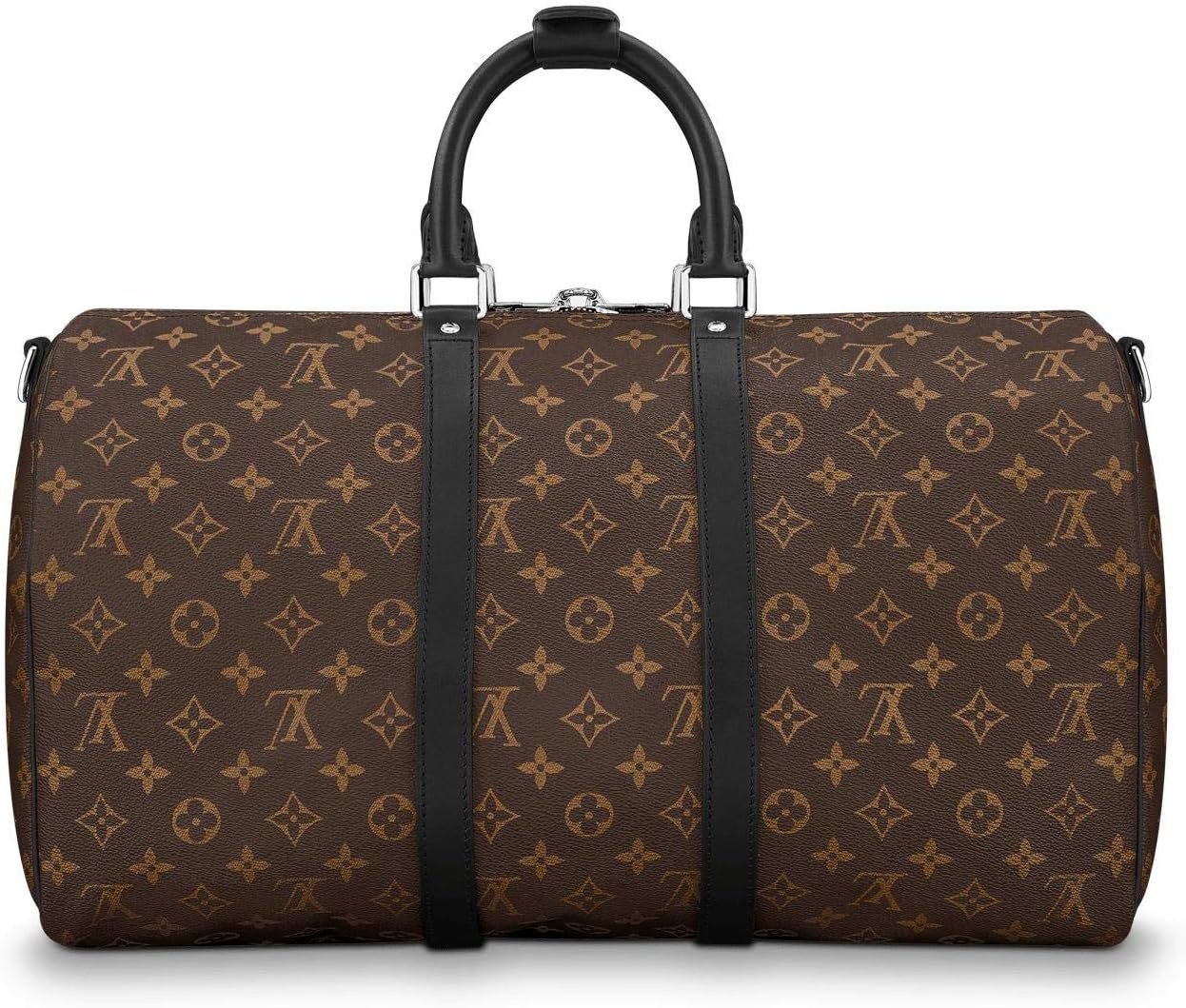
Luxury retail pricing experiences periodic adjustments reflecting raw material costs, production standards, and demand dynamics. Below is an overview of retail expectations alongside liquidity insights tracking pre-owned luxury pricing data.
Retail & Resale Valuation Overview
-
Neverfull MM (Monogram / Damier Ebene):
-
Boutique Retail Expectation: ~$2,030 – $2,100
-
Resale Value Retention: 70% – 85% of retail value depending on Vachetta condition and presence of the internal pouch.
-
-
Speedy Bandoulière 30 (Canvas):
-
Boutique Retail Expectation: ~$2,100 – $2,200
-
Resale Value Retention: Highly liquid; maintains strong demand across vintage and recent production years.
-
-
Alma BB (Monogram Canvas vs. Leather):
-
Boutique Retail Expectation: ~$1,940 (Canvas) | ~$2,300 – $2,500 (Empreinte / Epi)
-
Resale Value Retention: Epi and Damier Ebene variants often retain value exceptionally well due to lower maintenance requirements, matching high liquidity standards in a BrassSmile luxury watch investment guide.
-
-
Pochette Métis (Monogram Canvas):
-
Boutique Retail Expectation: ~$2,600 – $2,700
-
Resale Value Retention: Retains strong secondary pricing, particularly in pristine canvas condition.
-
Critical Factors Before Buying
1. Date Codes vs. Embedded NFC Microchips
A common point of confusion during secondary market evaluation involves serial identification:
-
Pre-March 2021 Production: Features a stamped leather tab or interior lining print containing a date code (2 letters for factory location, 4 digits for manufacture week/year).
-
Post-March 2021 Production: Louis Vuitton eliminated visible date codes, replacing them with NFC microchips embedded inside the structure of the bag. These chips are scanned internally at boutiques to verify authenticity, repairs, and purchase history.
2. Hardware and Stitching Standards
Authentic craftsmanship relies on uniform construction details:
-
Stitching: Threads are heavy-gauge, wax-coated, and angled slightly forward—never completely flat or straight machine-stitched.
-
Hardware Weight & Finish: Padlocks, D-rings, and zippers use solid brass or treated alloy hardware that feels heavy and cool to the touch, avoiding light metallic platings that flake over time.
The BrassSmile Buying Guide: Matching Selection to Lifestyle
Finding the right piece ultimately comes down to aligning structural design with your personal daily routines:
-
For Travel & Work: The Neverfull MM or Speedy Bandoulière 30 offer wide openings and interior volume capable of carrying tech, notebooks, and travel essentials.
-
For Polished Evening & Formal Wear: The Alma BB brings clean lines, a rigid frame, and refined proportions that suit tailored attire.
-
For Daily Hands-Free Commuting: The Pochette Métis delivers organized, separate compartments in a compact crossbody footprint.
For more curated insights into timeless design and fashion investments, explore the full BrassSmile journal.