


Modern luxury living has shed its appetite for obvious logos and ornate excess. Today, high-end living in the United States centers on personal autonomy, invisible technology, and long-term vitality. Affluence is no longer telegraphed through a gold-accented foyer; it is measured by the quality of your indoor air, the materials in your kitchen, and how effortlessly your home supports your daily routine.
The definition of a luxury lifestyle has quietly shifted toward restorative comfort. High-net-worth homeowners across New York, Miami, and Los Angeles are investing in residential architecture that functions as a personal sanctuary. This cultural pivot mirrors shifts across the personal care market, where clinical formulas, non-invasive therapies, and longevity-focused beauty trends reflect the exact same demand for substance over spectacle.
Below, we examine the practical architecture of modern luxury living in 2026, dissecting how luxury homes, automotive engineering, wellness design, and aesthetics have evolved into an ecosystem of intentional, low-profile excellence.
Quick Summary
-
Subtle Aesthetics: Conspicuous consumption has been replaced by natural textures, bespoke craftsmanship, and muted, timeless palettes.
-
Health-First Architecture: High-end residential builds now prioritize integrated circadian lighting, hospital-grade air filtration, and acoustic insulation over mere square footage.
-
Preventative Personal Care: Modern beauty trends emphasize regenerative skincare, medical-grade home devices, and skin barrier health over decorative makeup.
-
Frictionless Tech: Smart automation has become invisible, running ambient climate and discreet security systems without intrusive touchscreens.
Key Takeaways
-
Modern high-end living favors longevity, wellness architecture, and unbranded bespoke craftsmanship over logo-heavy prestige.
-
The contemporary luxury home functions as a private retreat, incorporating acoustic engineering, dual-zone thermal setups, and whole-house HEPA/VOC filtration.
-
Clean, restorative beauty trends favor non-invasive treatments, peptide-driven skincare, and clinical tools over multi-step cosmetic routines.
-
Sustainable provenance and domestic artisanal craft matter more to US luxury buyers than mass-produced heritage labels.
-
Silent propulsion and understated performance now dominate luxury automotive preferences across North American metros.
The New Architecture of the Luxury Home
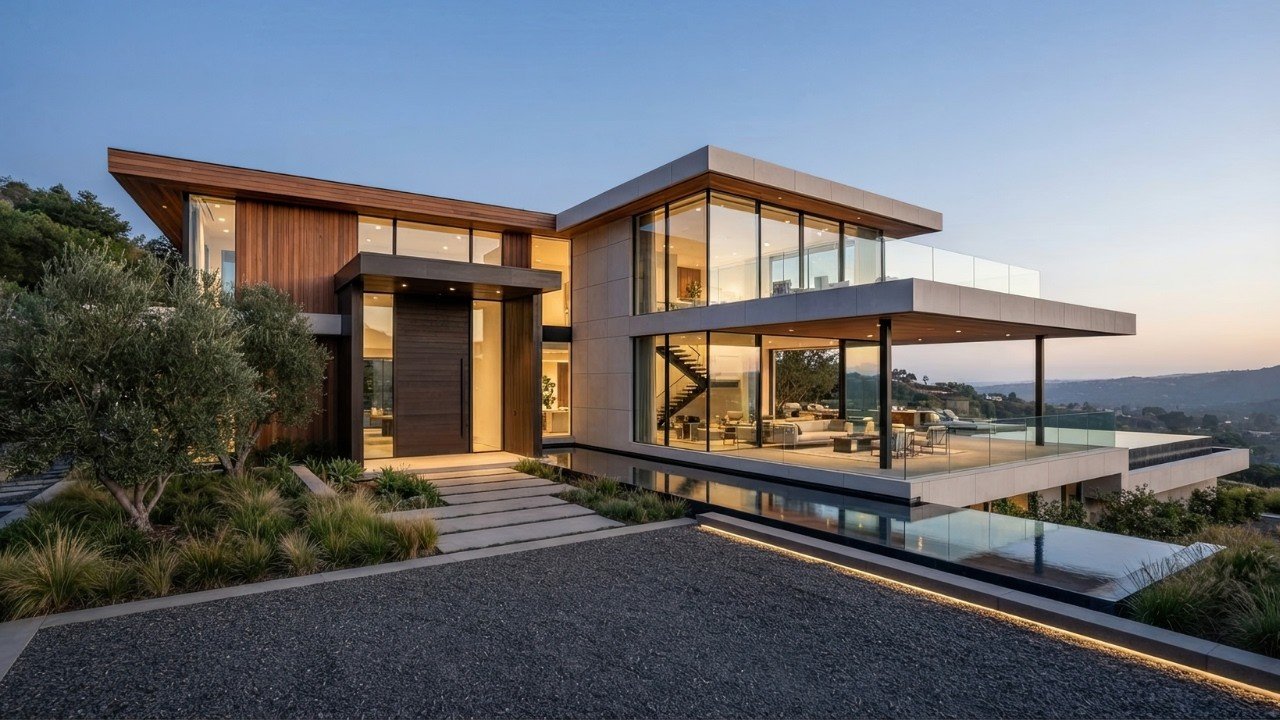
The sprawling McMansions of earlier decades have yielded to deliberate, architecturally grounded spaces. In neighborhoods from Aspen to the Pacific Palisades, the luxury home in 2026 is designed around light, quiet, and biological recovery.
Acoustic Isolation and Environmental Purity
Affluent US buyers are treating quietness as a rare commodity. Architectural plans prioritize decoupled drywall, triple-pane acoustic glazing, and mechanical closets dampened with vibration-absorbing mounts.
Whole-home air filtration systems featuring MERV 16 or medical-grade HEPA filters paired with dedicated activated carbon canisters run continuously. Water is treated at the main point of entry, stripping chlorine, heavy metals, and microplastics before a drop touches a glass or a showerhead.
Materiality: Honesty Over Polish
High-gloss marble and mirrored surfaces have fallen out of favor. Leading interior studios—such as Roman and Williams, Studio Shamshiri, and Nicole Hollis—rely heavily on tactile, honest materials:
-
Hand-troweled lime plaster walls that age gracefully and regulate humidity.
-
Wide-plank white oak or domestic walnut with matte, non-toxic oil finishes.
-
Unlacquered brass and blackened bronze fixtures that develop an authentic patina.
-
Sourced local stone, including Indiana limestone and Vermont Danby marble, replacing generic imported slabs.
Wellness Architecture: The Rise of In-Home Recovery
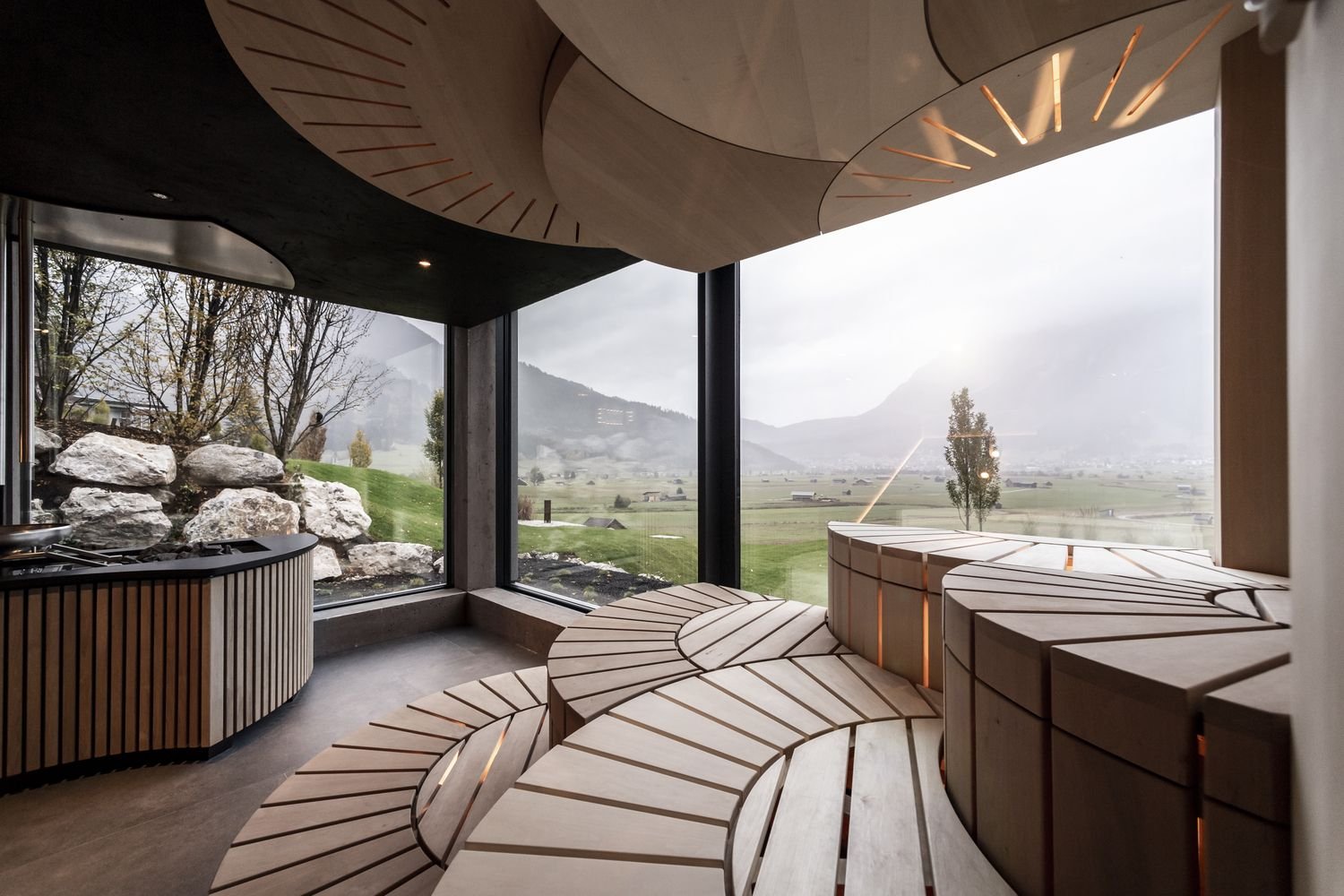
Private wellness spaces have graduated from basement gyms with treadmills to professional-grade recovery wings. The goal is no longer just exercise; it is cellular rejuvenation and stress mitigation.
| Living Category | Traditional Luxury Standard | 2026 Modern Luxury Standard |
| Home Wellness | Isolated basement fitness room | Integrated hydrotherapy and cold plunge suites |
| Primary Lighting | Decorative statement chandeliers | Circadian tunable fixtures tracking daylight |
| Personal Care | 12-step topical cosmetic regimes | Clinical barrier devices and signal peptides |
| Vehicle Preference | High-displacement combustion engines | Silent electric and refined hybrid platforms |
| Interior Surfaces | High-polish synthetic resins and slabs | Raw lime plaster, native stone, and living brass |
High-end residences routinely incorporate:
-
Thermal Contrast Suites: Custom cedar dry saunas positioned directly adjacent to plumbed cold plunge tubs with continuous mechanical filtration and chilling units.
-
Tunable Circadian Lighting: Fixtures programmed to trace local solar coordinates, emitting warm, blue-free light in the evening to preserve melatonin production.
-
Hyperbaric and Red-Light Integration: Dedicated quiet rooms wired for high-voltage red-light wall arrays and residential mild hyperbaric oxygen therapy chambers.
Personal Care and 2026 Beauty Trends: Clinical Precision

How one lives affects how one ages. The cultural approach to personal care now directly mirrors the understated values of the luxury lifestyle. The market has moved away from thick concealers and aggressive chemical resurfacing toward biological optimization.
Leading beauty trends among discerning US consumers emphasize barrier integrity, bio-identical ingredients, and non-invasive technologies:
-
Bio-Regenerative Topicals: Consumers are turning away from aggressive exfoliation. Formulations prioritizing signal peptides, polynucleotides, and ectoin dominate high-end bathroom vanities, strengthening the stratum corneum rather than stripping it.
-
Clinical At-Home Modalities: Medical-grade targeted microcurrent devices and flexible silicone LED masks with verifiable light wavelengths have made daily maintenance an extension of personal downtime.
-
Subtle Longevity Aesthetics: Injectable trends favor subtle micro-dosing and biostimulatory treatments (such as poly-L-lactic acid and calcium hydroxylapatite) that prompt organic collagen synthesis, bypassing the overfilled look entirely.
-
Fragrance as Atmosphere: High-end perfumery focuses on skin-scent chemistry and functional olfactory compounds designed to regulate cortisol rather than project heavy scent trails across a room.
Quiet Utility: Mobility and Technology
High-end living rejects complexity that creates work. In both private transport and smart home systems, modern consumers demand seamless utility that runs quietly in the background.
Instead of navigating walls covered in glowing touchscreens, smart homes rely on discreet, hidden logic:
-
Microclimate Control: In-wall sensors monitor indoor temperature, carbon dioxide levels, and ambient moisture, adjusting fresh airflow silently.
-
Adaptive Light Tracking: Automated roller shades and recessed warm fixtures adjust dynamically to the sun’s trajectory, shifting toward a relaxing 2200K amber glow at dusk.
-
Invisible Audio: High-fidelity architectural speakers sit flush behind thin layers of plaster, filling spaces with balanced sound without interrupting clean architectural lines.
Automotive Evolution
In automotive circles, the standard for daily driving centers on low cabin decibels, driver assistance, and cabin air quality. The Lucid Air Sapphire, Porsche Taycan Turbo, and electrified Range Rover variants serve as the benchmark for executive transport across US urban hubs. Power and torque are expected; true luxury lies in ride dampening, acoustic laminate glass, and clean software interfaces.
How BrassSmile Evaluated Modern Luxury Standards

BrassSmile evaluates lifestyle trends using rigorous editorial standards that assess real utility, craftsmanship, and verified market relevance rather than marketing claims. Our analysis relies on four core pillars:
-
Material and Construction Integrity: We examine whether architectural, home, or personal care products prioritize durable, authentic materials (such as domestic hardwoods, solid metals, and bio-compatible compounds) over synthetic alternatives.
-
Longevity and Health Value: Solutions must offer verifiable wellness or biological utility, avoiding short-lived consumer fads.
-
Discreet Integration: We value designs that solve problems quietly, avoiding overt branding, noisy interfaces, or intrusive hardware.
-
US Market Availability: Trends, products, and builders evaluated must be accessible, serviceable, and relevant to homeowners within the United States.
2026 Data and Industry Statistics
-
Air and Water Filtration Adoption: According to the National Association of Home Builders (NAHB), over 64% of custom home builds valued above $3 million in the US include whole-home indoor air quality systems with integrated humidity management.
-
Longevity and Skin Health Growth: Market research from Circana indicates that prestige skincare sales in the United States continue to outpace traditional color cosmetics, with clinical and peptide-focused barrier formulations accounting for the strongest segment gains.
-
Acoustic Design Demand: A 2026 residential design trend survey by the American Society of Interior Designers (ASID) found that sound mitigation including acoustic insulation, solid-core doors, and quiet-rated HVAC systems—ranked in the top five client requests for primary suite renovations.
Modern Living
Modern luxury living is no longer a performance staged for outside approval. It is an inward-facing discipline designed to give you your time, health, and peace of mind back.
Whether expressed through the quiet performance of your vehicle, the clinical precision of your personal care routine, or the calming presence of an acoustically insulated living room, true high-end living in 2026 proves that the ultimate luxury is a life engineered around personal restoration.
Frequently Asked Questions
What defines modern luxury living today?
Modern luxury living is defined by privacy, personal wellness, architectural quiet, and timeless craftsmanship. Rather than displaying obvious logos or ornate decor, it focuses on unencumbered space, indoor environmental quality, and frictionless home utility.
How are beauty trends influencing luxury home design?
Beauty trends now center on skin longevity, cellular recovery, and holistic well-being. This shift has driven luxury homeowners to install dedicated recovery suites featuring cold plunges, infrared saunas, and clinical-grade LED light setups—inside their primary bathrooms and dressing suites.
Why is quiet luxury replacing bold branding in home interiors?
Discerning homeowners prioritize authenticity and timelessness over fast-cycling trends. Unbranded spaces built with plaster, natural wood, and solid stone feel grounding, whereas overt branding quickly dates an interior and creates visual noise.
What are the essential features of a modern high-end home?
Key elements include hospital-grade air and water purification, circadian lighting, advanced acoustic soundproofing, bespoke storage, and energy-efficient building envelopes that keep interior temperatures stable.