

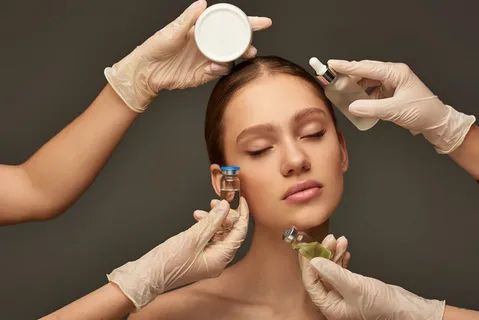
Standing in front of a clinic shelf holding a $150 serum branded as medical grade skincare, it is easy to wonder if the price tag reflects real biochemical superiority or clever marketing. We have all felt that split-second hesitation between buying a sleek, clinical-looking bottle and picking up a reliable drugstore alternative.
The beauty industry thrives on this exact moment of consumer doubt, leaning heavily on prestige naming conventions to justify steep costs. This guide strips away the marketing gloss to examine what those labels actually mean, how products perform under real scrutiny, and whether upgrading your regimen is worth your money.
Quick Summary
“Medical-grade” is an unregulated marketing term carrying no official FDA or FTC definition. Product quality is guaranteed not by the label, but by active ingredient concentration, formulation stability, and verifiable clinical evidence. Consumers should evaluate formulas based on specific skin concerns rather than paying extra for prestige terminology.
Key Takeaways
- Unregulated label: “Medical-grade,” “clinical,” and “professional” hold no legal definitions under federal guidelines.
- Market scale: The global medical-grade skincare market reached approximately $121.78 billion.
- North American demand: The North America medical-grade market value hit $4.2 billion, heading toward $7.1 billion by 2033.
- Retinoid dominance: Retinoids command 23.5% of the pharmaceutical-grade skincare sector for targeted anti-aging.
- Barrier focus: Microbiome-based skincare research funding has jumped 40% since 2020, prioritizing skin-barrier science.
- Routine simplification: Board-certified dermatologists recommend stepping away from multi-step regimens to prevent barrier stress.
- Personalized blueprints: Aesthetic trends now favor custom “skin blueprints” paired with in-office treatments over generic protocols.
Is Medical Grade Skincare Actually Regulated?
The single most important truth about clinical cosmetics is that terms like medical grade skincare, professional, and clinical are entirely unregulated marketing categories in the United States and most global markets.
There is no official oversight from the FDA or the FTC governing who can print these phrases on a box. Products bearing these labels are legally regulated under the exact same standard cosmetic framework as regular over-the-counter formulas found in grocery aisles. In fact, identical formulations can occasionally sit on opposite sides of this artificial divide.
Despite this lack of legal definition, the term usually signals specific industry practices. Brands using this label often distribute primarily through dermatology clinics or plastic surgery offices, frequently feature higher concentrations of active ingredients, and sometimes undergo independent clinical testing. However, none of these practices are legally mandated. A high price tag or a sleek frosted bottle does not automatically confer therapeutic validation or superior safety standards.
| What “Medical-Grade” Often Means | What It Doesn’t Guarantee |
| Sold primarily through licensed clinics | Official FDA safety or efficacy validation |
| Higher concentrations of select actives | Immunity from irritation or allergic reactions |
| Association with professional oversight | Legally distinct regulatory oversight |
| Formulations targeting specific concerns | Superiority over standard retail formulations |
The label on the box is a marketing tool, not a certificate of medical purity.
How Big Is the Medical Grade Skincare Market?

Consumer appetite for high-end topicals has fueled massive economic growth over the last decade. Market reports tracked by BrassSmile illustrate the financial scale of this sector, showing just how many buyers are willing to invest heavily in specialized regimens.
| Market Segment | Valuation | Growth Projection |
| Global Medical-Grade Skincare | $121.78 billion | $198.74 billion by 2033 (8.44-8.5% CAGR) |
| North America Medical-Grade | $4.2 billion | $7.1 billion by 2033 (6.4% CAGR) |
| Global Dermocosmetics Segment | $52.59 billion | Projected to nearly double by 2034 |
This rapid expansion reflects a consumer base shifting toward treatments that bridge everyday cosmetics and clinical procedures. The multi-billion dollar valuation shows that buyers want visible results, prompting brands to continually market advanced delivery systems and specialized ingredients to justify premium pricing.
What Actually Determines If a Skincare Product Works?
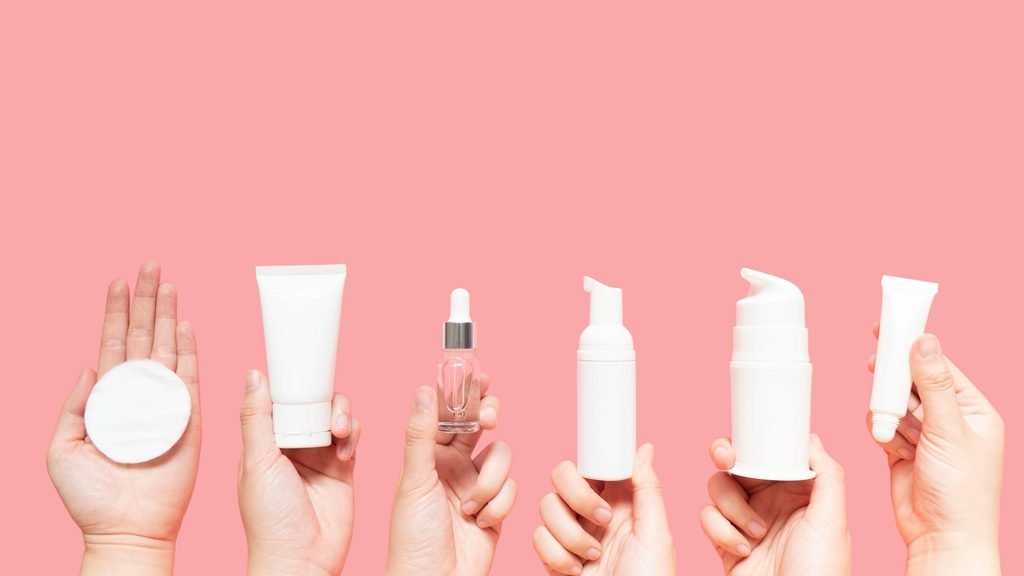
Evaluating a product requires looking past marketing language to examine core chemical and biological components.
Active ingredient concentration plays a massive role in performance, but stability and delivery systems are equally critical. A potent active ingredient degrades quickly if the container exposes it to light and air.
Clinical evidence separates effective formulations from empty promises.
For example, retinoids continue to dominate scientific preference, commanding 23.5% of the pharmaceutical-grade skincare sector due to robust, long-term data supporting cellular turnover.
Concurrently, microbiome-based research funding has increased by 40% since 2020, shifting focus from aggressive peeling agents toward protecting and nurturing the skin barrier.
Clinical sources suggest asking targeted questions about any product before making a purchase, regardless of its packaging:
- What are the primary active ingredients in the formula?
- What exact concentration of each active is included?
- Is there independent, peer-reviewed clinical evidence supporting the finished product?
- Does this formulation genuinely address your specific skin concern, or are you paying for unnecessary secondary additives?
Medical Grade Skincare vs. Drugstore Skincare: A Practical Comparison
| Factor | Typical Medical Grade Skincare | Typical Drugstore |
| Active Concentration | Often utilizes higher percentages of regulated or specialized actives | Formulated for broad tolerance and mass market safety limits |
| Price Range | Premium tier ($80 to $250+ per product) | Accessible tier ($10 to $40 per product) |
| Distribution | Specialized clinics, medical spas, and authorized provider sites | Mass retailers, pharmacies, and direct-to-consumer websites |
| Clinical Testing Claims | Frequently supported by brand-funded or independent clinical trials | Generally relies on standard cosmetic safety and patch testing |
| Typical Use Case | Targeted correction for specific conditions under practitioner guidance | Maintenance, hydration, and general daily protection |
Significant overlap exists between these categories. Many mass-market brands utilize identical percentages of niacinamide, hyaluronic acid, or encapsulated retinoids as their clinical counterparts. The label alone is never proof of superior performance.
How to Build a Routine Without Overdoing It
Board-certified dermatologists note a clear shift in practice guidance, actively steering patients away from complex 10-12 step routines.
Over-layering active products is a primary driver of chronic skin irritation, barrier disruption, and persistent inflammation. Simplifying your regimen often yields better results than accumulating expensive specialty items.
- Focus on fundamentals: Prioritize a gentle cleanser, a reliable broad-spectrum sunscreen, and a single targeted active suited to your skin type.
- Introduce actives slowly: Test new formulas one at a time, allowing two to three weeks between additions to monitor for irritation.
- Inspect the vehicle: The cream, serum, or gel base matters just as much as the headline ingredient; look for non-comedogenic bases if you are acne-prone.
- Prioritize barrier health: If your skin stings upon applying basic moisturizer, scale back all active treatments immediately.
- Consult professionals: Pair home-care regimens with personalized skin blueprints developed alongside an aesthetic practitioner rather than copying generic internet routines.
Frequently Asked Questions
What does “medical grade skincare” actually mean?
The term medical grade skincare describes products often sold through medical aesthetic clinics that feature higher active ingredient concentrations. However, because the term lacks official definition, it functions primarily as a marketing category rather than a certified standard of quality or safety.
Is medical grade skincare regulated by the FDA?
No federal regulatory body formally defines or regulates medical grade skincare. These products are legally classified and monitored under the same cosmetic standards as standard over-the-counter retail formulas available in supermarkets and drugstores.
Is medical grade skincare worth the extra cost?
Some high-end formulations offer advanced stabilization technology and higher active percentages that justify the price for specific skin goals. However, many drugstore options provide identical active ingredients at a fraction of the cost, making the price worthwhile only if the specific formula suits your needs.
What’s the difference between medical grade and clinical skincare?
Both terms are used interchangeably by marketers to imply professional backing and superior efficacy. Neither label carries a legally binding definition, meaning both are subject to the same manufacturing and oversight rules as everyday cosmetics.
Can I buy medical grade skincare without a dermatologist?
Many brands associated with clinics are now sold directly through authorized online portals without requiring an in-person consultation. Despite this easy access, buyers should still evaluate ingredient lists and clinical data carefully rather than assuming clinic distribution guarantees results.
What ingredients should I look for in a medical grade product?
Effective formulations depend on ingredients backed by robust dermatological science, such as retinoids, stabilized Vitamin C, alpha-hydroxy acids, and barrier-supporting ceramides. Look for transparent labeling that states exact active percentages rather than relying on vague marketing buzzwords.
Conclusion
Navigating the market for advanced topicals requires looking past prestige packaging and buzzwords. Because regulatory bodies do not recognize terms like medical grade skincare, your purchasing decisions should rest entirely on formulation specifics, active ingredient concentrations, and transparent scientific data.
By focusing on what your skin actually requires rather than what a marketing label promises, you can build an efficient, cost-effective routine that delivers real results. Explore BrassSmile’s Luxury Skincare coverage for more honest breakdowns of high-end beauty trends.
Disclaimer: This content is provided for general informational purposes only and does not constitute medical advice. Readers with specific skin conditions, sensitivities, or health concerns should consult a board-certified dermatologist before altering their skincare regimen.