
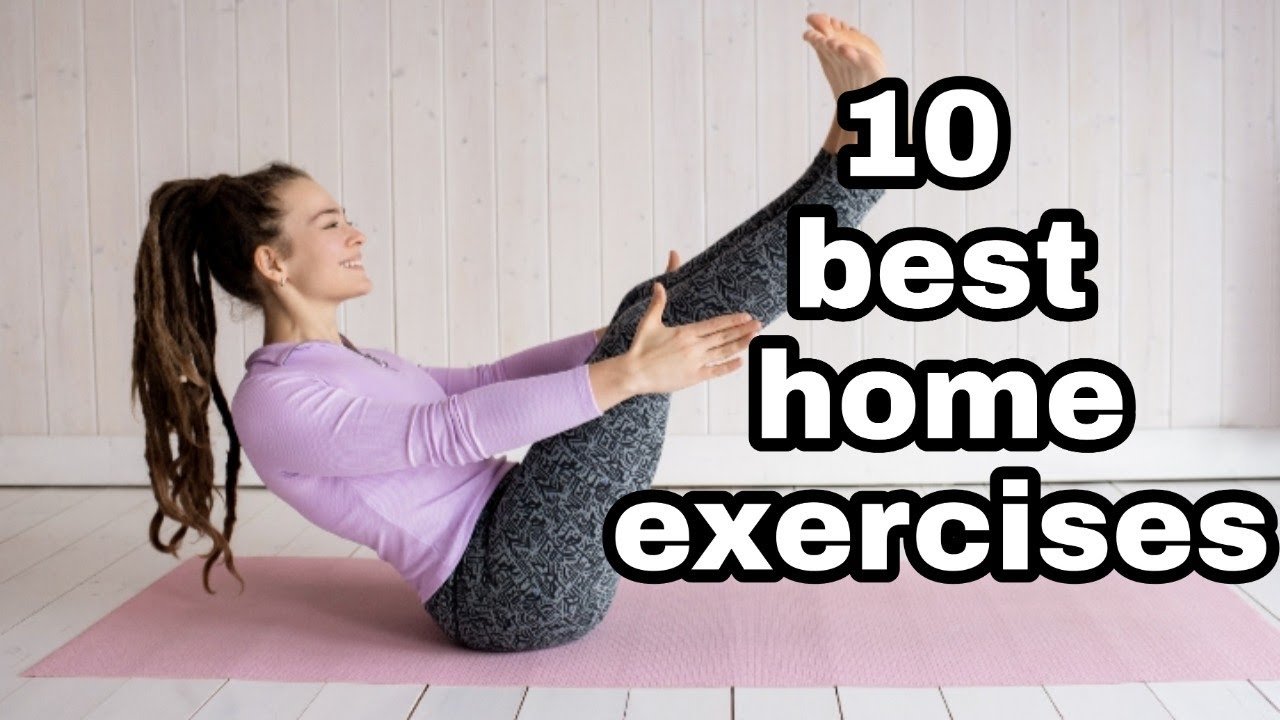
Losing stubborn belly fat often feels like trying to solve a puzzle with missing pieces. You eat clean for a few days, try a few crunches, and wait for visible results only to feel frustrated when the scale barely budges.
For most people, the hurdle isn’t a lack of discipline; it’s life. Tight deadlines, long commutes, family obligations, and low evening energy make a 60-minute trip to the gym unrealistic.
This is where home workouts step in as a practical solution. However, before starting, it is crucial to address the biggest fitness myth: spot reduction does not exist. You cannot perform 100 sit-ups a day and expect fat to disappear exclusively from your waistline. Body fat loss happens across your entire frame through calorie management, multi-muscle engagement, and consistent movement.
Below, we break down the physiological science of home-based fat loss and outline ten high-yield bodyweight exercises you can start doing today right in your living room.
The Science: Why Bodyweight Workouts Actually Work
When you perform multi-joint compound exercises in quick succession, two primary physiological mechanisms drive your results:
-
High Metabolic Rate During Activity: Engaging large muscle groups (like the glutes, quads, and back) demands high amounts of oxygen and blood flow, increasing your total energy expenditure per minute.
-
Excess Post-Exercise Oxygen Consumption (EPOC): Often referred to as the “afterburn effect,” EPOC represents the energy your body uses post-workout to restore oxygen levels, clear metabolic byproducts, and repair muscle tissue. While EPOC isn’t a magical shortcut, high-intensity bodyweight circuits maximize session efficiency when workout time is short.
10 High-Yield Home Exercises for Full-Body Fat Loss
Note: Always begin with 5 to 10 minutes of gentle dynamic warm-ups such as shoulder rolls, torso twists, and light marching in place to prepare your joints and lower injury risk.
1. Burpees (The Full-Body Calorie Engine)
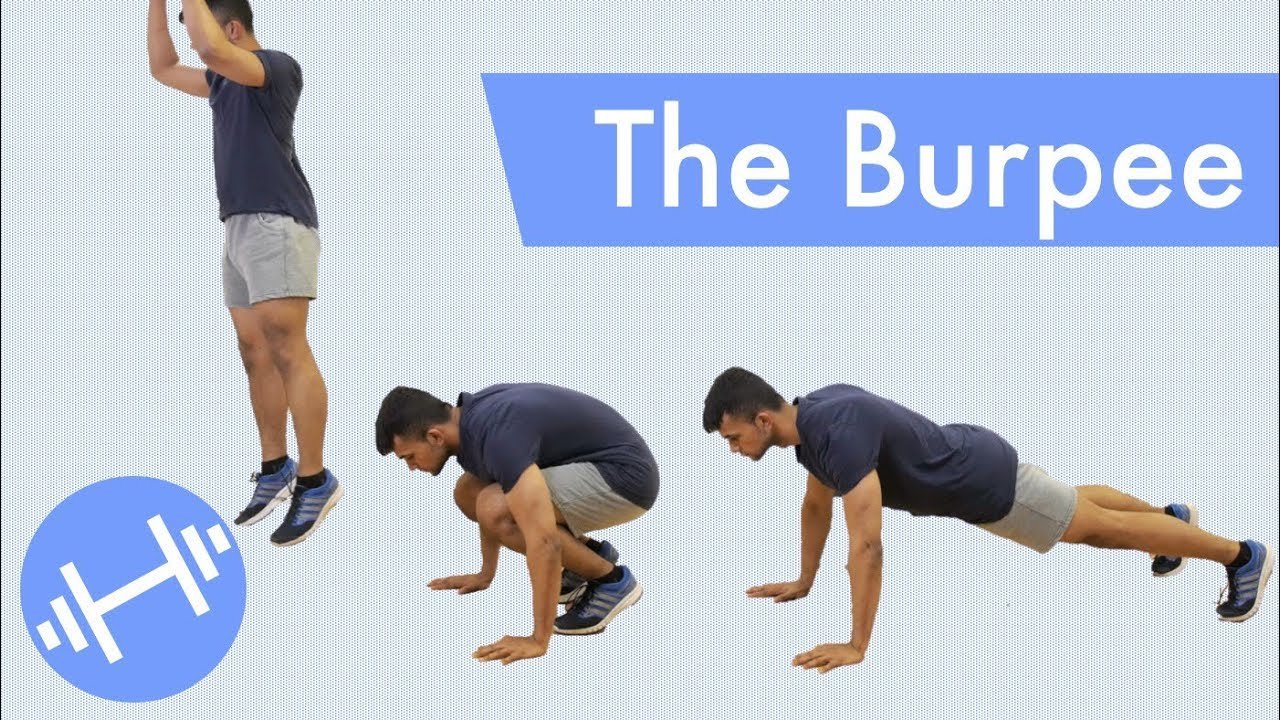
Burpees combine upper-body push strength, core stabilization, and explosive lower-body power into one seamless movement.
-
Target Muscles: Chest, triceps, core, quads, and glutes.
-
How to Do It:
-
Stand tall with your feet shoulder-width apart.
-
Drop into a deep squat position and plant both hands flat on the floor.
-
Jump both feet back into a strong push-up plank position.
-
Perform a push-up (optional for beginners), then quickly jump your feet forward under your hips.
-
Explode upward into a vertical jump while reaching your arms overhead.
-
-
Beginner Modification: Perform “step-back burpees” step one foot back at a time instead of jumping, and skip the push-up.
2. Mountain Climbers (Dynamic Core & Cardio)
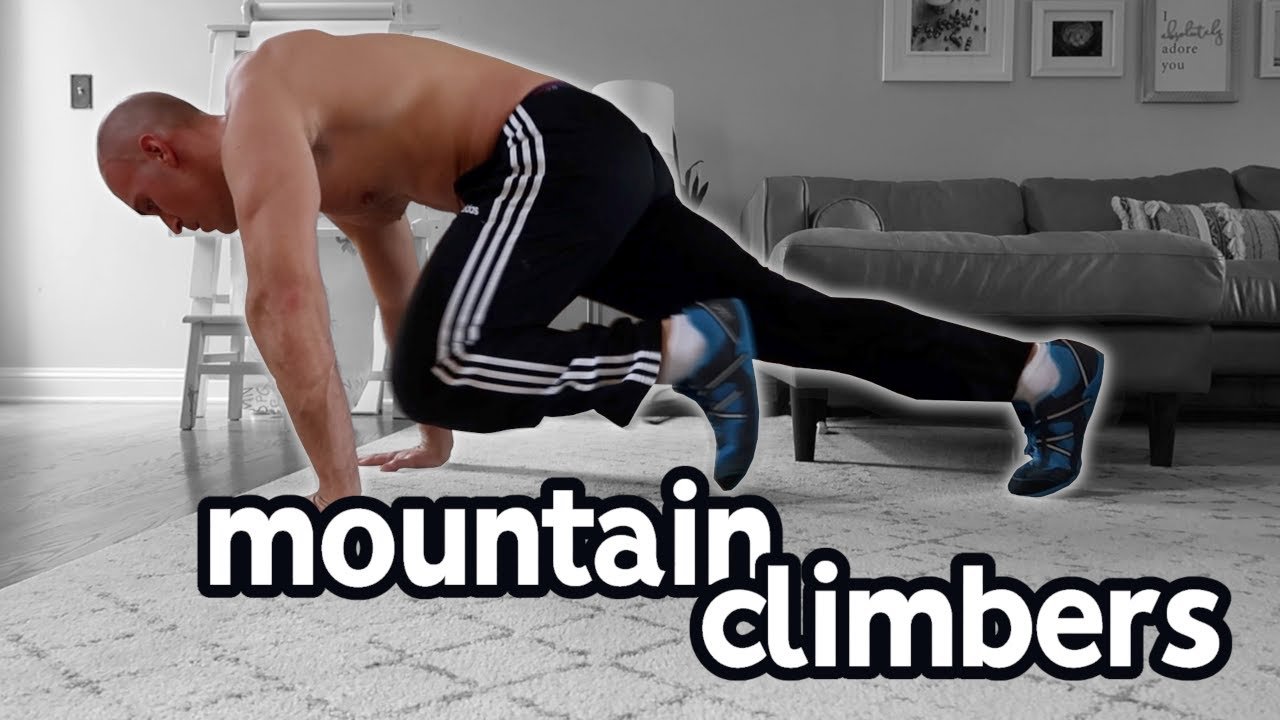
Mountain climbers combine an isometric core hold with fast-paced cardiovascular driving, making them superior to standard sit-ups.
-
Target Muscles: Rectus abdominis, hip flexors, deltoids, and shoulders.
-
How to Do It:
-
Start in a high plank position with hands directly beneath your shoulders and your body in a straight line.
-
Drive your right knee up toward your chest while keeping your core tight.
-
Quickly switch legs, driving your left knee forward while extending the right leg back.
-
Continue alternating at a rapid, controlled pace while keeping your hips level.
-
3. Brisk Surya Namaskar (Dynamic Sun Salutations)
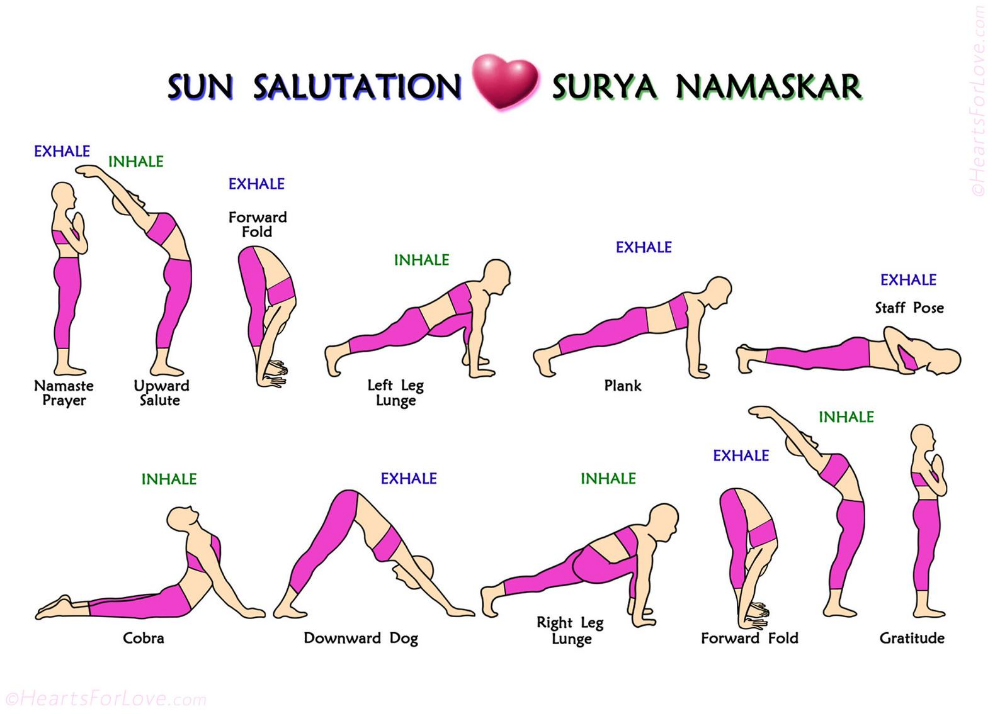
A staple in Indian wellness traditions, Surya Namaskar (Sun Salutation) involves 12 linked yoga postures. While traditional yoga emphasizes mindfulness, executing 12 to 20 rounds briskly creates a high-calorie dynamic movement flow that builds flexibility and muscular endurance.
-
Target Muscles: Hamstrings, shoulders, spinal erectors, core, and hip flexors.
-
How to Do It:
-
Flow fluidly from Pranamasana (Prayer pose) through Hastauttanasana (Raised arms pose) down into Uttanasana (Forward bend).
-
Transition through Plank, Ashtanga Namaskara (Eight-limbed pose), Bhujangasana (Cobra pose), and Adho Mukha Svanasana (Downward dog).
-
Keep transitions fluid and breathing synced with every pose.
-
4. Jumping Jacks (The Total-Body Conditioning Classic)
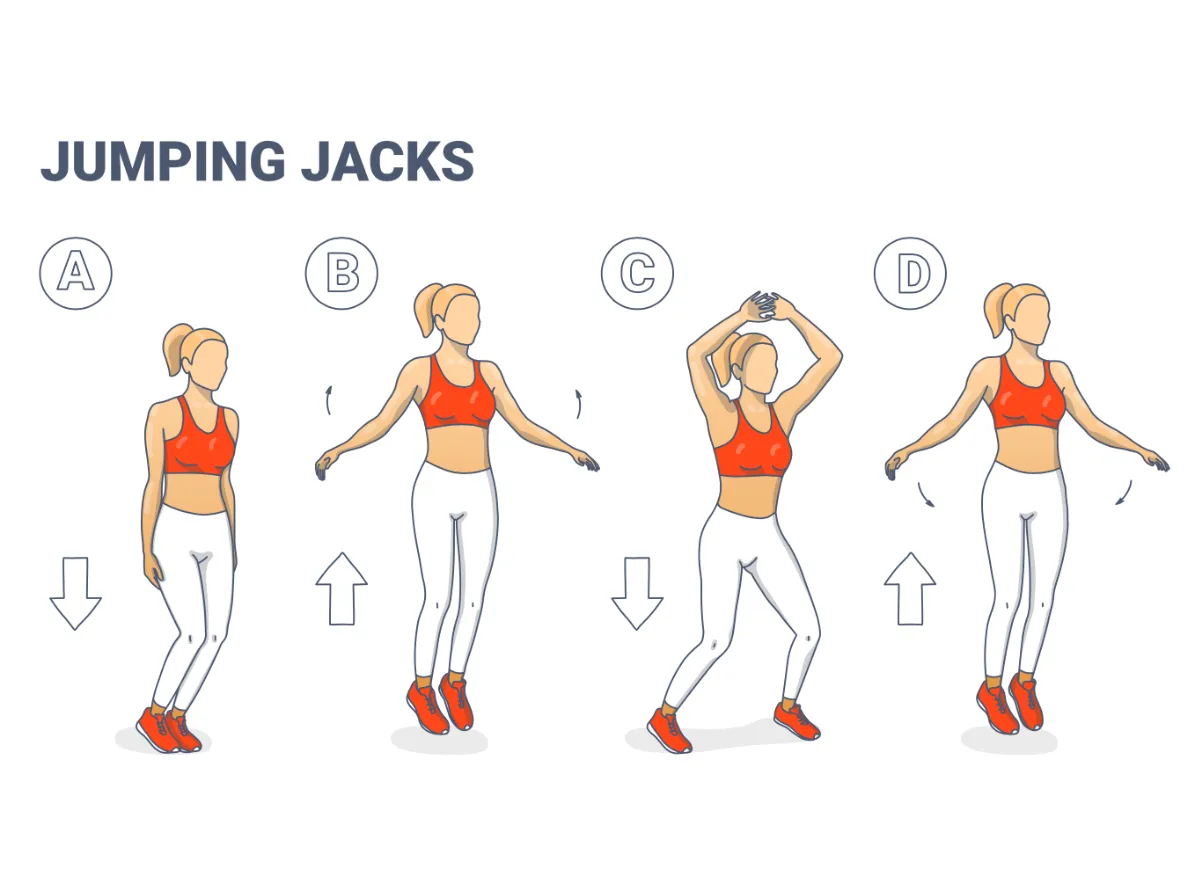
Jumping jacks are an accessible plyometric exercise that increases your heart rate instantly without placing excessive strain on isolated joints.
-
Target Muscles: Calves, abductors, adductors, and shoulders.
-
How to Do It:
-
Stand upright with your feet together and hands relaxed at your sides.
-
Jump your feet out wide while sweeping your arms upward above your head.
-
Jump back to the starting position softly on the balls of your feet.
-
5. Plank to Downward-Facing Dog (Deep Core & Posterior Chain)
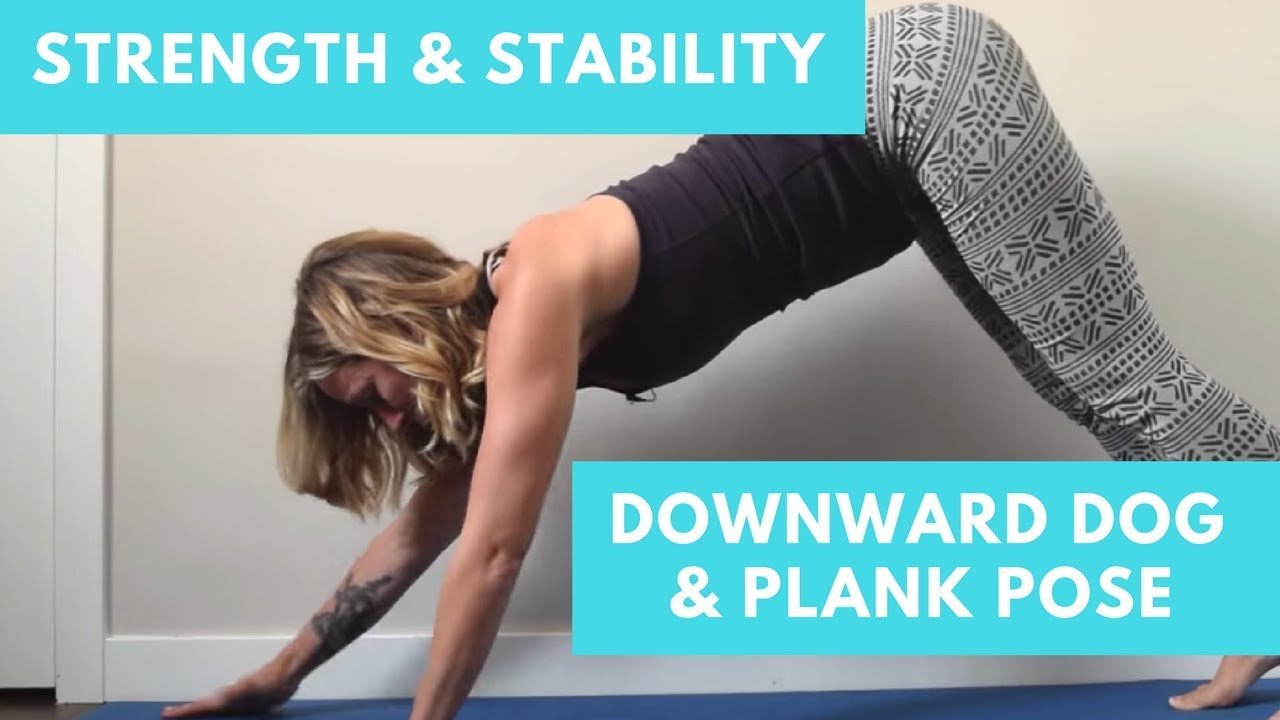
Transitioning between a plank and downward dog targets the deep transverse abdominis (the body’s natural corset) while lengthening tight hamstrings.
-
Target Muscles: Transverse abdominis, upper back, shoulders, hamstrings, and calves.
-
How to Do It:
-
Begin in a forearm or high plank position with your core fully engaged.
-
Press your hands into the floor and lift your hips toward the ceiling, forming an inverted “V” shape.
-
Focus on pulling your belly button in toward your spine as you reach the top position.
-
Pause for a second, then lower your hips back into a clean plank.
-
6. High Knees (High-Intensity Midsection Drive)
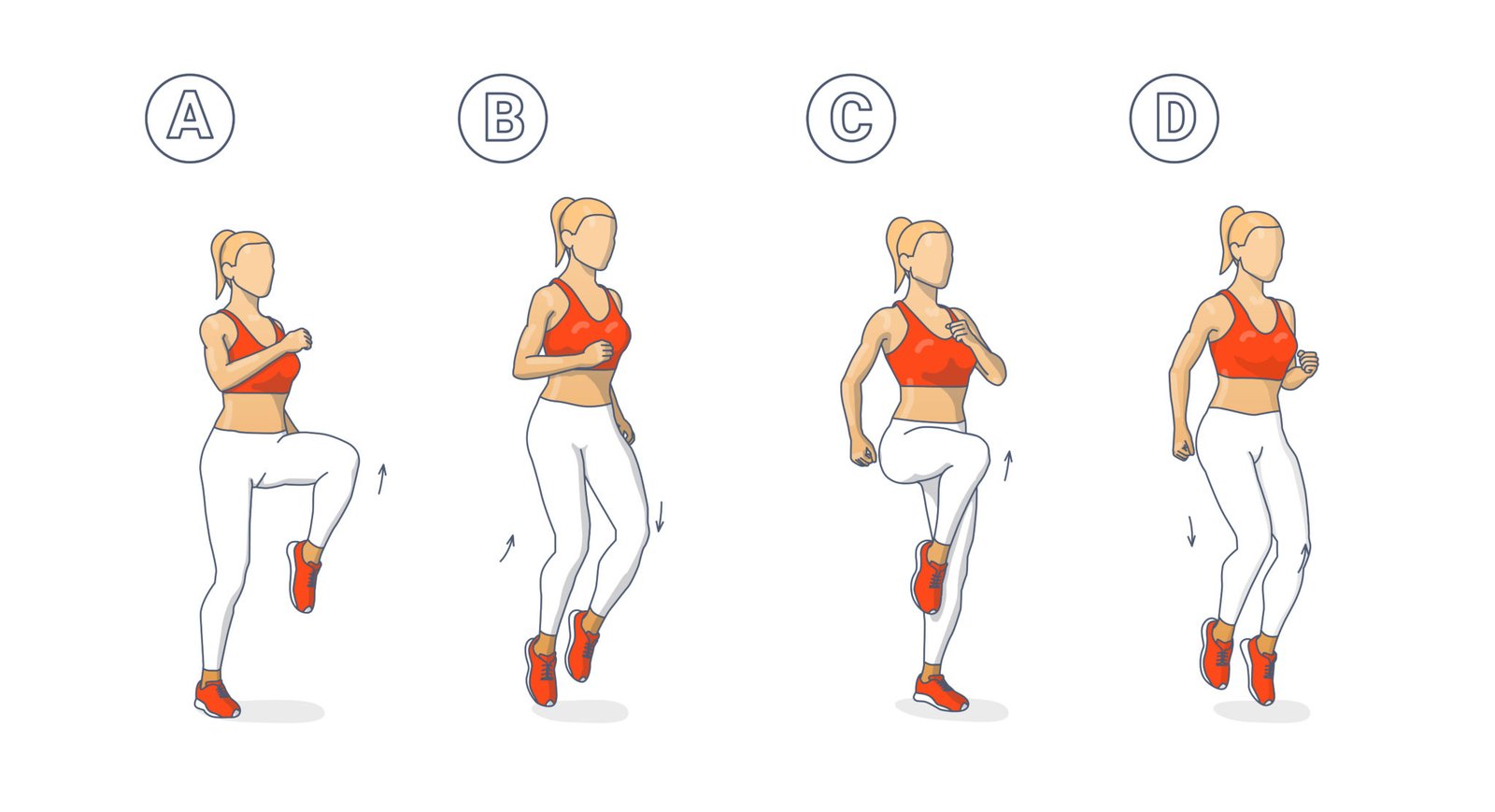
High knees demand powerful core contraction to pull your upper leg above hip height, acting as a dynamic running sprint in place.
-
Target Muscles: Lower abs, hip flexors, calves, and quads.
-
How to Do It:
-
Stand tall with your feet hip-width apart.
-
Run in place, driving your knees up toward chest level as high as possible.
-
Keep your torso upright (avoid leaning back) and pump your arms in sync with your legs.
-
7. Squat Jumps (Explosive Lower-Body Power)
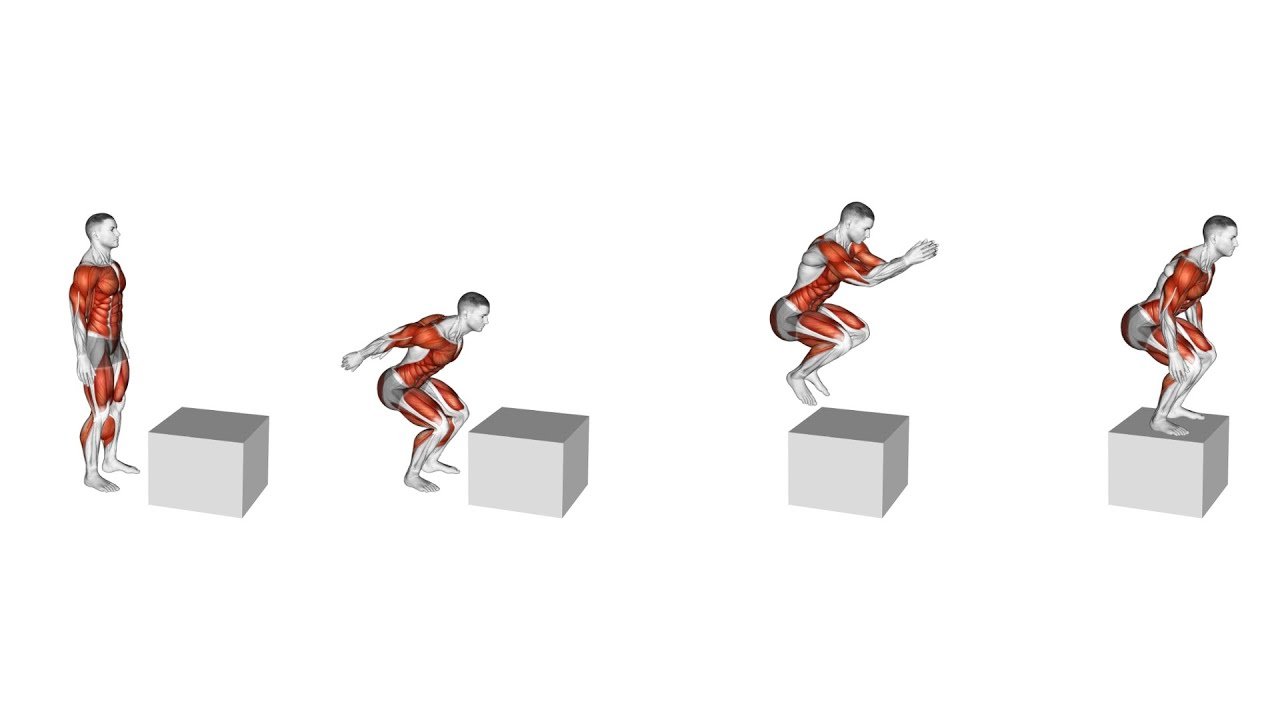
Because the lower body houses the body’s largest muscle groups (glutes and quadriceps), explosive leg movements burn a significant amount of energy per repetition.
-
Target Muscles: Quadriceps, gluteus maximus, hamstrings, and calves.
-
How to Do It:
-
Stand with your feet slightly wider than hip-distance apart.
-
Lower into a standard squat, driving your knees outward and keeping your chest lifted.
-
From the bottom of the squat, explode upward, driving through your heels to launch into the air.
-
Land softly on bent knees to absorb impact and immediately drop into the next squat.
-
8. Walking Lunges (Lower Body Strength & Stability)
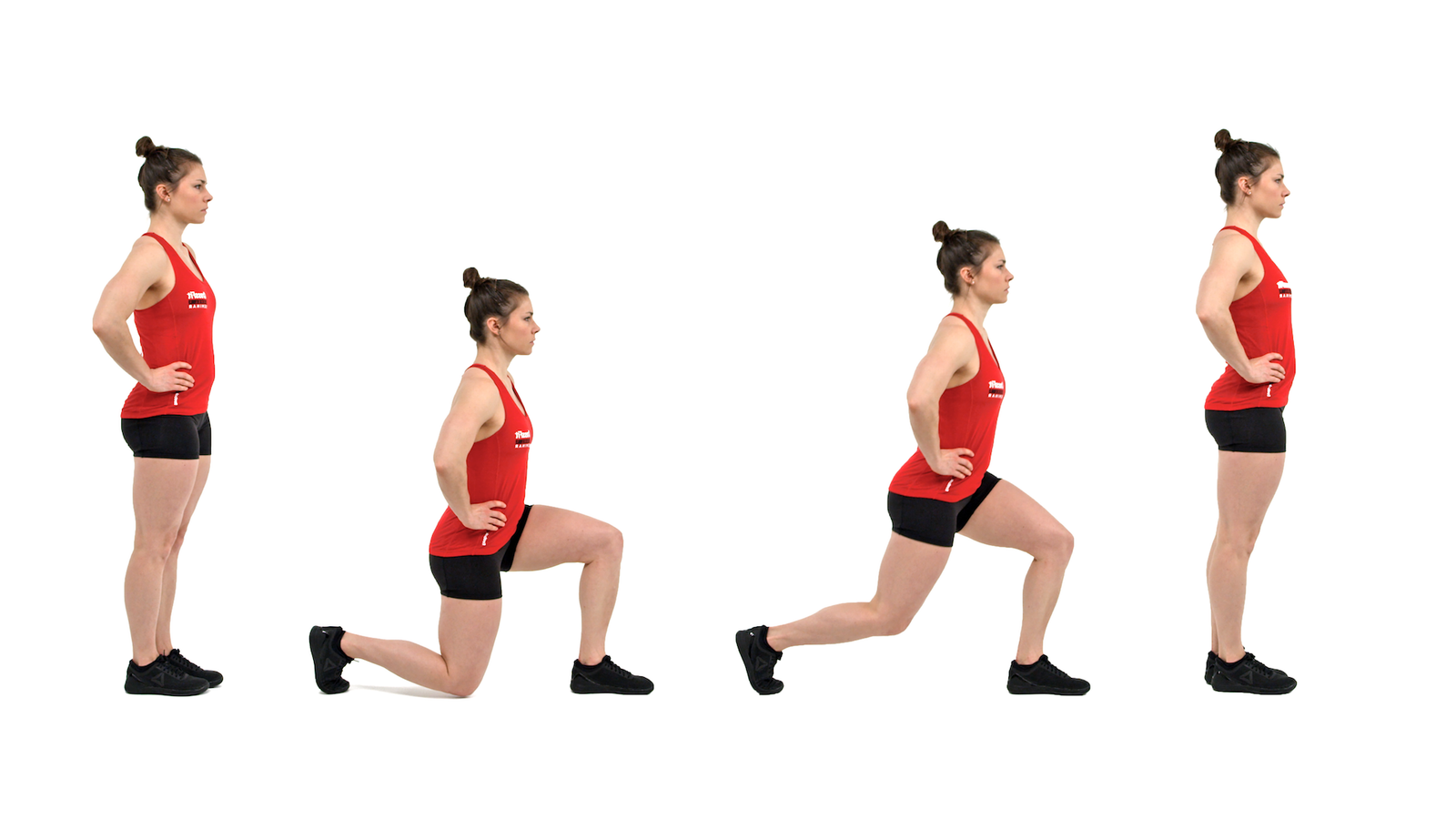
Walking lunges place unilateral demands on your legs, forcing your stabilizer muscles to work overtime while incinerating calories through deep movement patterns.
-
Target Muscles: Quadriceps, glutes, hamstrings, and core stabilizers.
-
How to Do It:
-
Stand tall, then take a large step forward with your right foot.
-
Lower your hips straight down until both knees are bent at roughly 90-degree angles.
-
Push off your front foot to bring your body back up, stepping directly into a lunge with the opposite leg.
-
9. Bicycle Crunches (Oblique & Core Sculpting)

Bicycle crunches move beyond standard crunches by introducing rotational movement, which strongly activates the side abdominals (obliques).
-
Target Muscles: Rectus abdominis, obliques, and deep transverse stabilizers.
-
How to Do It:
-
Lie flat on your back with your lower back pressed into the floor, hands gently supporting your head (don’t pull on your neck).
-
Lift your knees to a 90-degree table-top position and raise your shoulder blades off the floor.
-
Rotate your right elbow toward your left knee while extending your right leg straight out.
-
Switch sides in a smooth, cycling motion.
-
10. Bear Crawl (Full-Body Conditioning & Agility)
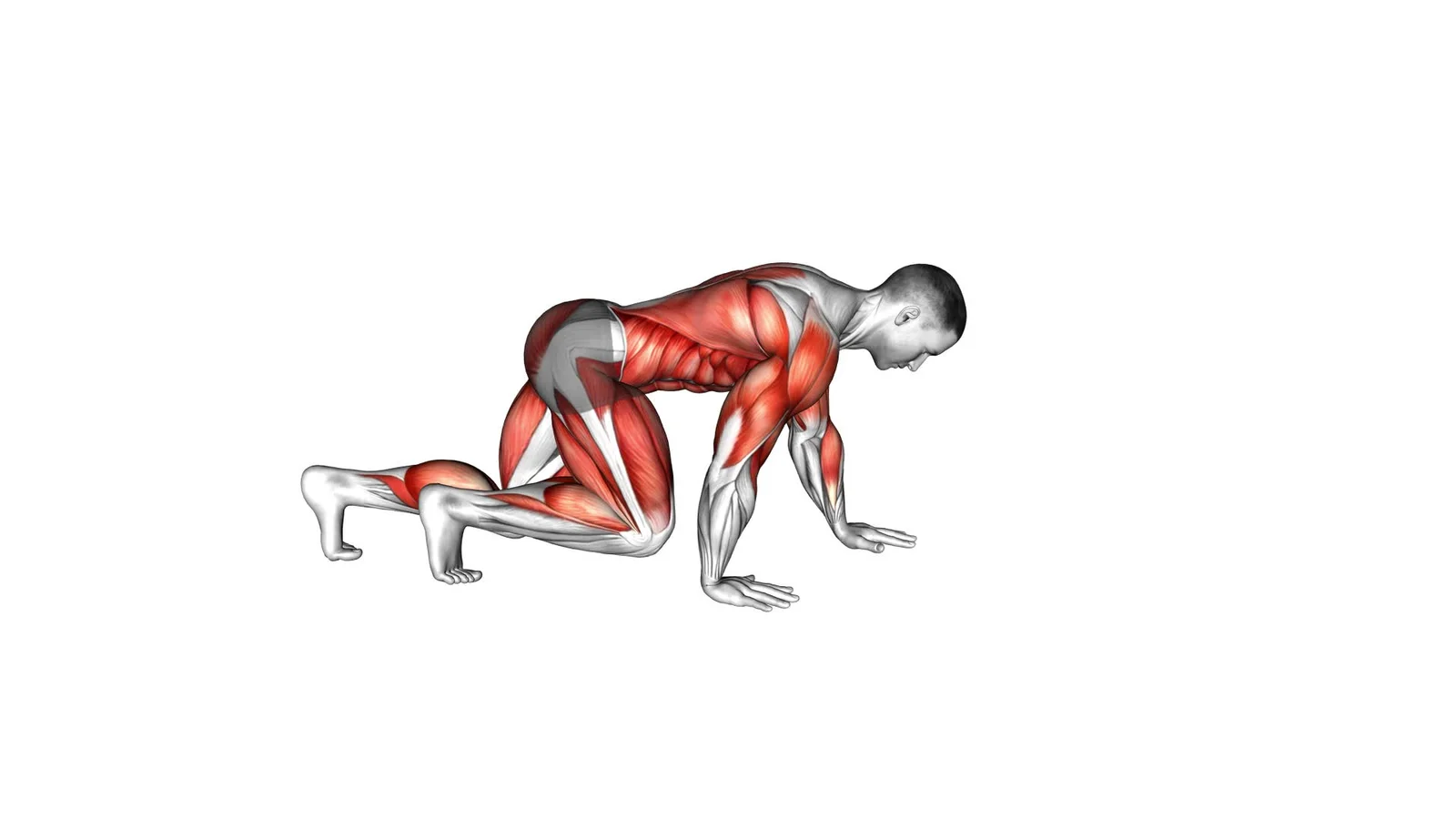
The bear crawl is an exceptional functional movement that elevates your heart rate while challenging total-body coordination and joint stability.
-
Target Muscles: Shoulders, chest, core, quads, and hip complex.
-
How to Do It:
-
Get on your hands and knees in a tabletop position, hands under shoulders and knees under hips.
-
Hover your knees just 2 inches off the floor, keeping your back flat and core rigid.
-
Crawl forward by moving your opposite hand and foot simultaneously, keeping your hips steady.
-
Strategic Weekly Schedule (HICT Circuit Format)
According to research published in the ACSM’s Health & Fitness Journal, structured High-Intensity Circuit Training (HICT) offers a time-efficient way to combine bodyweight resistance and cardio.
| Level | Structure | Frequency |
| Beginner | 30 sec work / 30 sec rest per exercise (2 Rounds) | 3 Days / Week |
| Intermediate | 40 sec work / 20 sec rest per exercise (3 Rounds) | 4 Days / Week |
| Advanced | 45 sec work / 15 sec rest per exercise (4 Rounds) | 4–5 Days / Week |
For more home-based workout ideas, check out our guide on Group Exercises at Home or discover top digital tools in our review of the Best Workout Apps.
Sustainable Fat Loss: Balancing Movement & Nutrition
Exercise creates the energy outlet, but your daily nutrition dictates whether your body taps into stored fat for fuel.
[ Consistent Daily Nutrition ] + [ Full-Body Home Exercises ] = [ Sustainable Fat Loss & Muscle Retention ]
Key Nutrition Strategies:
-
Prioritize Whole Food Complex Carbs: Swap refined flours (maida) and sweet treats for slow-digesting complex carbohydrates like oats, quinoa, millets (jowar, bajra), and brown rice to avoid insulin spikes.
-
Keep Protein High: Adequate protein intake (paneer, lentils, tofu, eggs, lean meats) is essential for muscle recovery and helps maintain lean muscle mass while losing fat.
-
Stay Mindful of Snacking: Starting a new workout routine increases your appetite. Opt for nutrient-dense snacks like roasted chickpeas, greek yogurt, or a handful of almonds rather than ultra-processed snacks.
Frequently Asked Questions (FAQs)
1. How many days a week should I perform home workouts for fat loss?
Aim for 4 to 5 days per week. Rest days are essential muscles recover, rebuild, and adapt during periods of rest, not during the workout itself.
2. Can I lose belly fat by doing crunches every day?
No. Targeted fat loss (spot reduction) is a myth. Crunches build the underlying abdominal muscles, but full-body movements (like squats, burpees, and lunges) paired with a calorie-conscious diet are required to drop overall body fat and reveal those muscles.
3. Should I wear shoes for living room workouts?
If your routine includes high-impact or plyometric movements like squat jumps or burpees, wearing supportive athletic shoes is strongly recommended especially on hard tile or hardwood floors to cushion your joints and prevent slipping.
4. Does drinking warm lemon water burn belly fat?
Warm lemon water aids hydration and supports healthy digestion, but it has no direct fat-burning chemical properties. Sustainable weight loss comes down to maintaining a consistent calorie deficit and staying active.
Final Thoughts: Focus on Adherence Over Perfection
You don’t need expensive gym memberships, bulky weights, or hours of free time to transform your body. By combining efficient bodyweight exercises, smart nutritional balance, and consistency, you can achieve your health and fitness goals right from your living room.
Interested in optimizing your overall health, beauty, and active lifestyle routine? Explore our latest features on Health, Beauty, and Wellness at Brass Smile.