

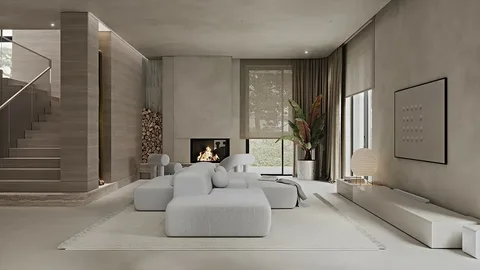
The definition of high-end interior design has undergone a profound shift. Flashy brand logos, oversized crystal chandeliers, and ostentatious marble entryways have stepped aside for a more understated, soulful discipline: quiet luxury. Rooted in material authenticity, tactile richness, and architectural calm, this design philosophy treats the home as a private sanctuary rather than a showroom.
For modern homeowners curating spaces that balance elegance with emotional well-being, luxury is no longer about how much a space costs it is about how it feels, how it ages, and the serenity it cultivates. Whether you are planning a complete property overhaul or exploring refined updates, here is how to bring the quiet luxury aesthetic into your living spaces.
The Core Pillars of Quiet Luxury Architecture
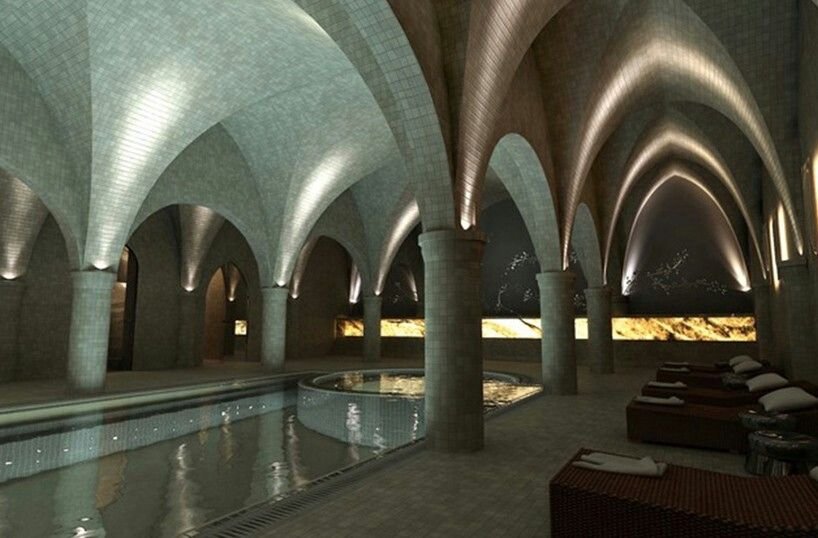
At its foundation, quiet luxury interior design relies on restraint, proportion, and raw materiality. Rather than filling every corner with decor items, every element in the room serves a distinct purpose.
-
Subtle Spatial Flow: Open-plan layouts are evolving into broken-plan living, where zones are defined by ceiling height variations, sliding acoustic timber panels, and textural floor transitions rather than harsh walls.
-
Architectural Silence: Clean drywall reveals, shadow-line baseboards, and frameless flush interior doors create uninterrupted visual lines that allow the eye to rest.
-
Authentic Materiality: Synthetic veneers and high-gloss plastic laminates are entirely absent. Instead, spaces feature honed natural stones, unlacquered living brass fixtures, and tactile plaster walls.
To see how high-end design principles intersect with broader modern aesthetics, you can explore our guide on modern luxury living trends.
Textures Over Tends: The Palette of Modern Elegance
Color palettes in quiet luxury homes draw directly from the natural world. Stark, sterile hospital whites have been replaced by warm, earthy neutrals—chalk, warm limestone, raw linen, soft taupe, and deep terracotta undertones. The drama in the room comes not from loud accent colors, but from the interplay of contrasting textures.
When styling your living spaces, pair smooth Venetian plaster walls with heavy, raw-edge boucle upholstery. Introduce brushed French oak flooring treated with natural hard-wax oils rather than shiny polyurethane. In dining areas or primary suites, tactile surfaces invite touch, creating a multisensory experience that elevates daily routines.
For those undertaking structural changes or interior overhauls, proper spatial planning is essential. You can draw inspiration from our comprehensive breakdown of luxury home renovation ideas to balance structural integrity with aesthetic warmth.
Bespoke Lighting as Sculpture
Lighting in a quiet luxury home is never an afterthought; it is layered, architectural, and deeply atmospheric. Overhead recessed grid lighting creates harsh shadows and flattens a room’s character. Instead, modern lighting design relies on three distinct layers:
-
Ambient Illumination: Indirect cove lighting, architectural uplights, and hidden LED channels that wash walls in a soft, diffused glow.
-
Task and Functional Lighting: Artisanal swing-arm reading lights in forged bronze or hand-blown glass pendants hung low over dining tables.
-
Accent and Art Lighting: Picture lights and narrow-beam spotlights calibrated to highlight specific textural features, such as a fluted stone fireplace or a large-scale canvas.
By dimming down harsh ceiling lights and relying on low-level lamps, a home instantly shifts from a functional workspace into an intimate evening retreat.
Sustainable Craftsmanship and Heirloom Pieces
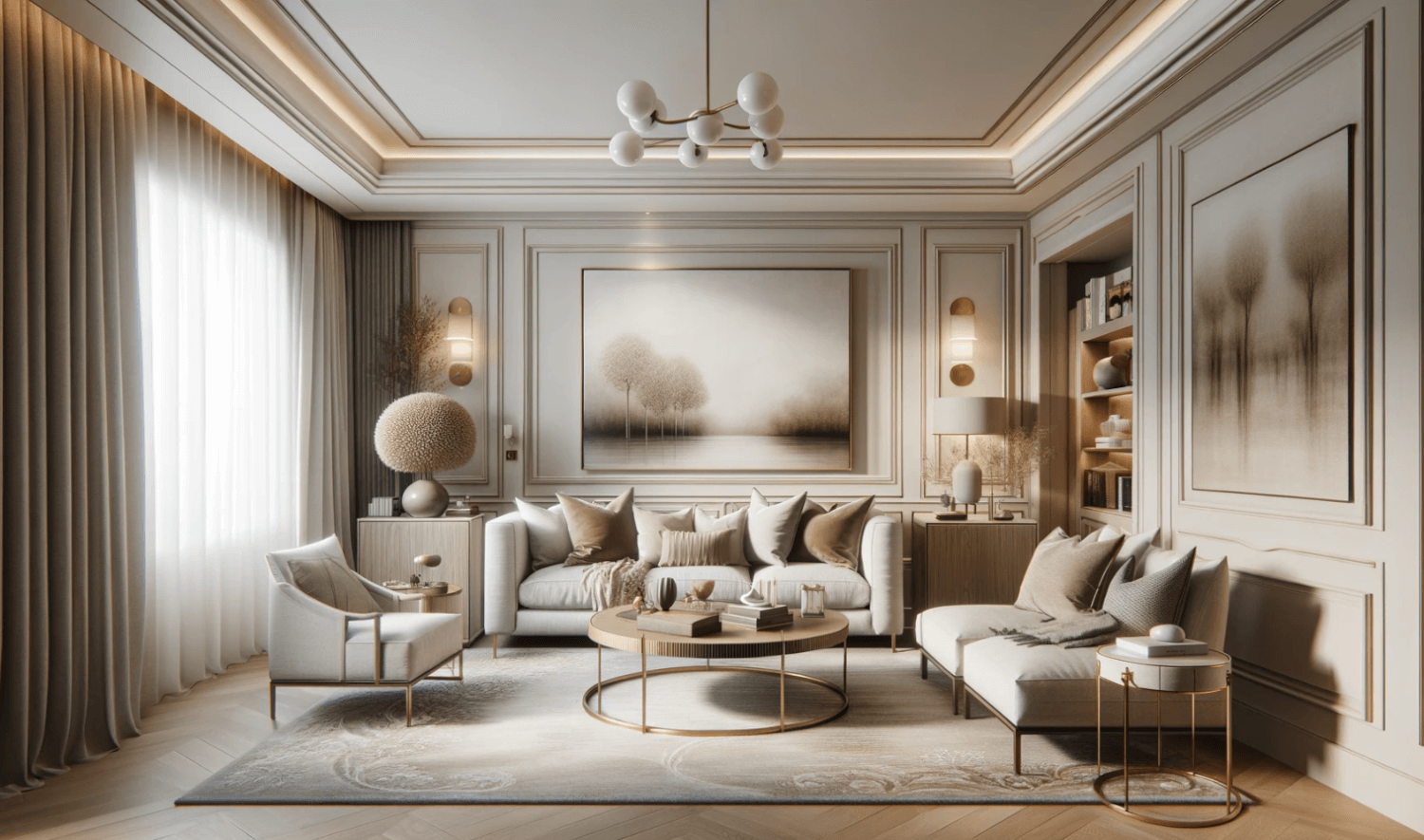
Fast furniture and mass-produced decor stand in direct opposition to the quiet luxury ethos. The modern high-end homeowner invests in bespoke, bench-made furniture crafted by master artisans who utilize centuries-old joinery techniques.
Investing in heirloom-quality pieces ensures your home evolves gracefully over decades. Natural materials like vegetable-tanned leather, solid walnut, and hand-knotted wool rugs develop a rich patina over time, telling a visual story of the life lived within the space. This approach aligns closely with conscious consumerism and the broader principles discussed in our editorial on why informed luxury beats pure spending.
For external perspective on how global interior design houses are integrating sustainable architecture with high-end residential projects, architectural authorities such as Architectural Digest frequently highlight the shift toward eco-conscious luxury materials.
Final Thoughts
Quiet luxury interior design is ultimately about intentionality. By stripping away visual clutter and investing in exceptional materials, thoughtful lighting, and artisanal craftsmanship, your home transforms from a mere dwelling into a grounding sanctuary of peace and timeless elegance.