

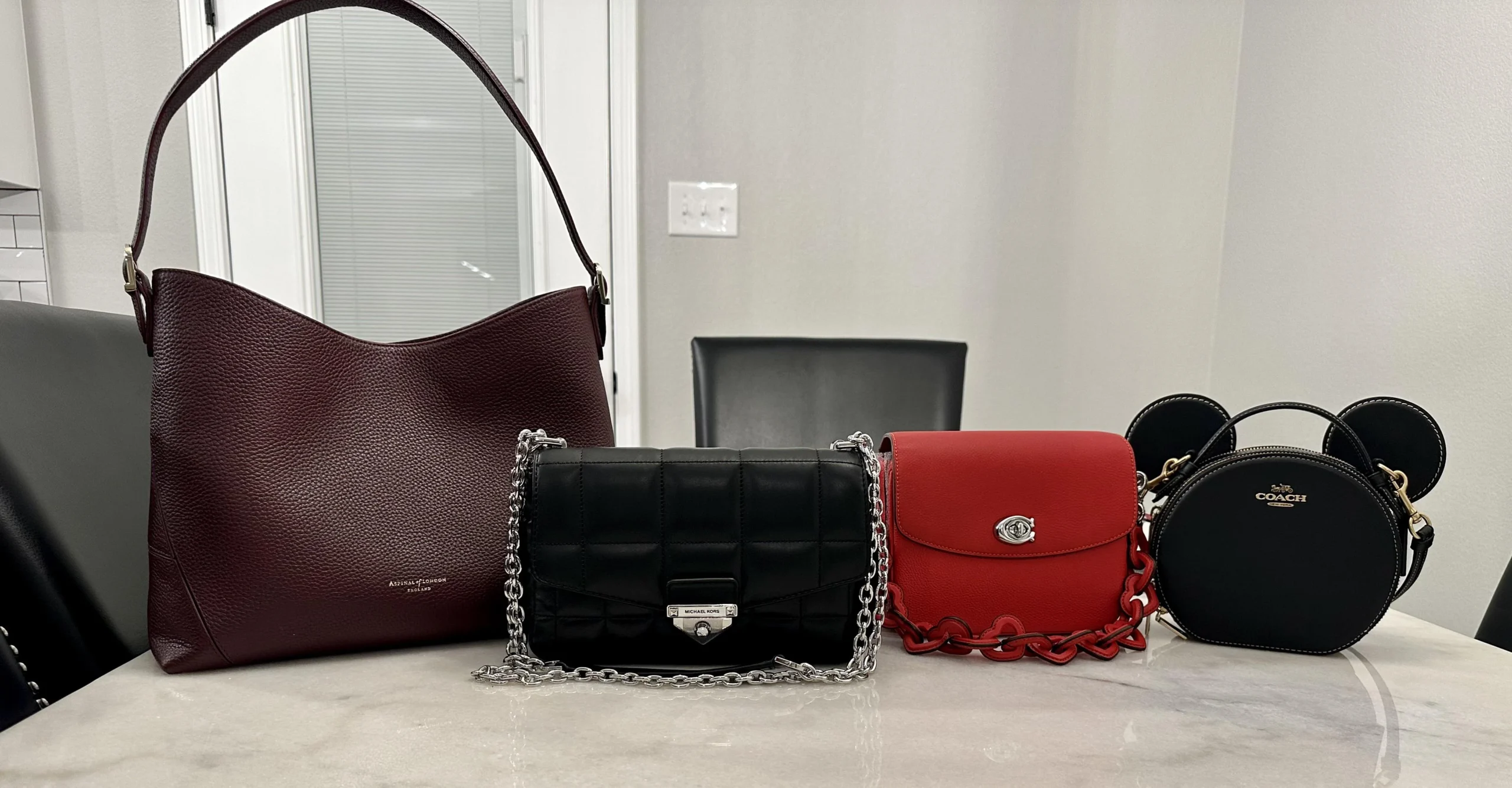
Quick Summary
Coach is the superior investment for overall quality, leather craftsmanship, and resale value, while Michael Kors offers a broader variety of structured, budget-conscious everyday bags.
- Leather Quality: Coach relies on full-grain, glovetanned, and pebble leathers, whereas Michael Kors depends heavily on coated canvas and Saffiano leather.
- Pricing & Value: Both overlap in the $200–$500 range, but Coach justifies higher price points with repairability and unlined interior finishes.
- Resale Performance: Coach retains roughly 30% to 50% of its original retail price on secondary markets, while Michael Kors typically drops to 10%–25%.
- Style Positioning: Michael Kors favors sharp, jet-set hardware and bold branding; Coach focuses on archival, minimalist American heritage.
Key Takeaways
- Question the markups: High retail prices often reflect expensive marketing campaigns rather than superior manufacturing inputs.
- Inspect the specs: Technical specifications, fabric weaves, and chemical concentrations reveal true product value quickly.
- Reject pure status: Buying solely for a visible logo usually yields poor long-term utility and rapid depreciation.
- Demand total transparency: Editorial reviews must test products independently and disclose every commercial affiliation clearly.
- Calculate long-term cost: Superior materials cost less per year when they outlast three cheap replacements.
Michael Kors vs Coach: Brand Background and Positioning
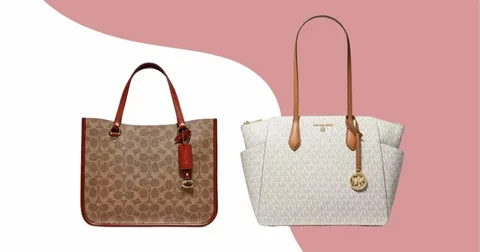
Standing between a display of Michael Kors totes and Coach shoulder bags, the price tags look almost identical. Both sit in the accessible-luxury tier, anchoring American department stores and outlet centers worldwide.
Coach began in a Manhattan loft in 1941 as a small leather workshop making wallets inspired by baseball gloves. That heritage built its reputation on thick, unlined glovetanned leather.
Michael Kors launched in 1981, building a brand around jet-set glamor and sharp runway tailoring. Its handbag line scaled rapidly, turning its MK monogram into a global street fixture.
At BrassSmile, we evaluate how these positioning strategies translate into actual material value for the buyer. Financial reports highlight their divergent paths. Coach’s parent company, Tapestry, Inc., reported Coach generated $7.0 billion in total fiscal year revenue, driven by strong brand growth.
Meanwhile, SEC filings for Michael Kors’ parent, Capri Holdings, showed brand revenues declining to roughly $3.0 billion.
Michael Kors over-expanded into outlet distribution, diluting its exclusivity. Coach pulled back on aggressive discount channels to rebuild brand equity and elevate product specifications.
Materials and Construction Quality: Leather vs. Coated Canvas
Touch the leather of a Coach Tabby shoulder bag, then handle a Michael Kors Jet Set tote. You will immediately feel a structural difference.
Coach builds most core collection bags using full-grain calfskin or heavy pebble leather. The leather is drum-dyed, allowing natural grain variations to show while preserving structural integrity.
Michael Kors relies extensively on Saffiano leather and PVC coated canvas. Saffiano leather is real hide, but it’s stamped with a hatch pattern and coated in a synthetic wax layer.
| Material Feature | Coach Handbags | Michael Kors Handbags |
| Primary Leather | Full-grain, glovetanned, pebble calfskin | Saffiano stamped leather, crossgrain |
| Canvas Options | Jacquard woven canvas with leather trim | PVC-coated canvas with synthetic backing |
| Interior Lining | Suede lining or raw unlined hide | Polyester fabric lining with logo print |
| Hardware Weight | Solid brass or heavy turnlocks | Lightweight plated zinc alloy |
| Edge Finishing | Hand-painted, multi-layer edge burnishing | Machine-applied lacquer edging |
Saffiano resists scratches and repels water exceptionally well. However, when the synthetic wax coating cracks after years of stress, the underlying leather cannot be conditioned.
Coach often leaves interior pockets unlined to expose the suede back of the outer hide. That raw finish requires top-tier leather, since flaws cannot be hidden under cheap polyester lining.
Price Points, Value, and Resale Retention
When comparing Michael Kors vs Coach price points, retail MSRPs tell only half the story.
Entry-level totes from Michael Kors start around $150 at retail stockists, with boutique collections topping out around $600. Coach retail prices sit higher, ranging from $250 for small crossbody bags up to $800 for structured leather satchels.
Secondary market tracking data tells a clear story regarding Coach vs Michael Kors quality and long-term value retention.
Secondary market volume for Michael Kors vs Coach bags heavily favors Coach in value retention, with Coach bags routinely retaining 30% to 50% of their initial retail value, whereas Michael Kors bags retain only 10% to 25% of their original price tag.
Over-saturation in off-price retail channels hurt the resale price for a Michael Kors or Coach purchase on the second-hand market. When a brand’s outlet stores discount inventory by 70% year-round, secondary buyers refuse to pay near-retail prices.
Style Positioning and Practical Usability
Choosing between Michael Kors vs Coach often comes down to aesthetic intent rather than utility alone.
Michael Kors designs for corporate environments and high-contrast styling. Its Jet Set and Mercer lines feature sharp geometry, metallic hardware logos, and stiff structural silhouettes that stand upright on a desk.
Coach designs lean into archival 1970s silhouettes. The Tabby, Brooklyn, and Pillow collections feature curved edges, subtle branding, and softer drape.
For practical everyday use, Michael Kors totes offer superior interior organization. You will find dedicated tablet sleeves, zippered center dividers, and key fobs built directly into the lining.
Coach prioritizes spacious main compartments, relying on minimalist slip pockets. If you want a bag that acts like an organized portable desk, Michael Kors wins on interior layout.
Repairability, Circularity, and Longevity
What happens when a strap snaps or an edge paint frays after three years of daily commute?
Coach operates “Coach (Re)Loved,” a circular program where customers trade in used bags for store credit. The company refurbishes, recycles, or remakes old bags, having restored over 1 million items since launch.
They also maintain dedicated leather repair workshops. You can send a ten-year-old Coach bag in to have its hardware re-plated or stitching repaired for a modest fee.
Michael Kors offers a standard one-year limited warranty covering manufacturing defects. They do not maintain an in-house restoration service for vintage or aged bags once the warranty expires.
If long-term maintenance matters to your purchasing framework, Coach’s restoration infrastructure provides a distinct advantage.
How to Apply the BrassSmile Methodology to Your Purchase
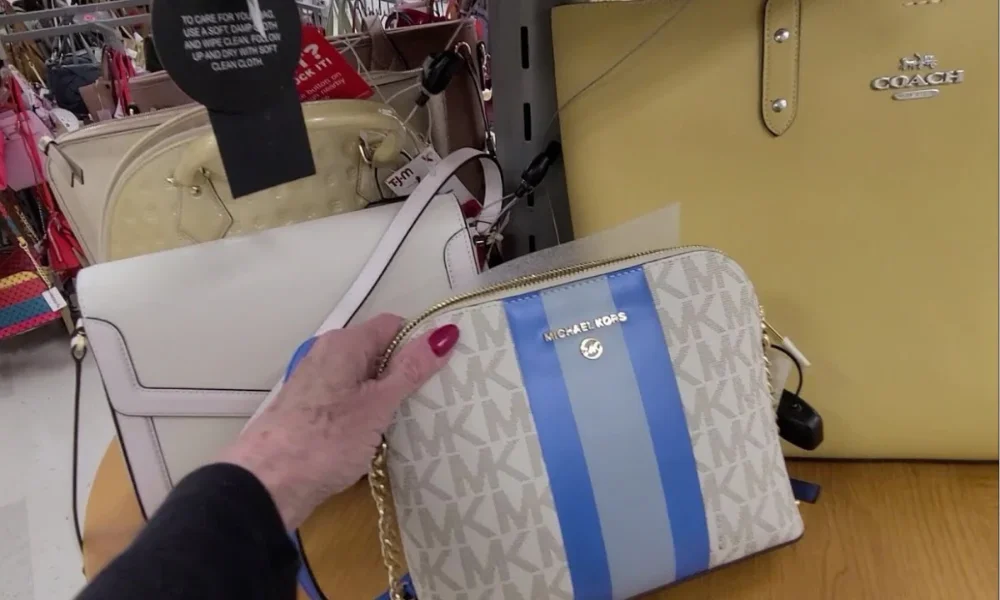
To settle your purchasing decision, match your daily requirements against these three criteria:
- Daily Workhorse Commuting: Pick Michael Kors if you need scratch-resistant Saffiano leather that withstands rain and holds heavy laptops without losing shape.
- Archival Style and Tactile Quality: Choose Coach if you want rich glovetanned leather, soft hand-feel, and timeless hardware finishes.
- Resale Consciousness: Buy Coach if you plan to trade or sell the bag after two seasons to recoup part of your initial outlay.
There is a real trade-off here. If you buy Coach for its unlined, supple leather, the bag will require routine conditioning with leather cream to prevent dry cracking.
Michael Kors’ coated Saffiano requires zero maintenance beyond a damp cloth—you trade long-term repairability for low-maintenance convenience.
Frequently Asked Questions
Is Coach considered higher quality than Michael Kors?
Yes. Coach uses higher-grade full-grain leathers, heavier brass hardware, and hand-finished edges, whereas Michael Kors uses lighter zinc alloys and wax-coated Saffiano leathers across core lines.
Which brand holds its value better, Michael Kors or Coach?
Coach holds value significantly better. Resale market studies show Coach bags retain 30%–50% of their retail price, while Michael Kors bags drop to 10%–25% due to market saturation.
Are Michael Kors and Coach owned by the same company?
No. Coach is the flagship brand of Tapestry, Inc., while Michael Kors is owned by Capri Holdings Limited.
Does Michael Kors use real leather in its handbags?
Michael Kors uses real cowhide, but it’s usually Saffiano or crossgrain leather stamped with a textured wax finish. Lower-priced monogram lines use PVC-coated canvas with leather handles.
Which brand is better for a professional work tote?
Michael Kors offers better internal organization for work totes, featuring structured compartments for laptops and keys. Coach offers superior material quality but simpler, wide-open interior designs.
Can old Coach bags be repaired by the brand?
Yes. Coach operates a restoration program called Coach (Re)Loved that repairs, recycles, or refurbishes pre-owned bags, a service Michael Kors does not provide for aged items.
The Final Purchasing Verdict
If your priority centers on structured utility, stain resistance, and organized internal compartments for under $250, a Michael Kors Saffiano tote serves that functional need well.
However, if you evaluate luxury through material substance, hardware weight, and overall leather longevity, Coach is the clear winner.
At BrassSmile, our verdict is clear: paying an extra $100 for Coach buys you full-grain hides, repairability, and double the resale value down the line. (Is it really a bargain if a synthetic edge cracks after two winters?)