

Quick Summary
Modern luxury automobiles deliver bespoke craftsmanship, whisper-quiet rides, and refined powertrains. However, they demand sharp financial planning due to heavy early depreciation and specialized maintenance costs.
-
Entry Price: High-end models in 2026 kick off around $44,500, stretching well past $350,000 for ultra-luxury tiers.
-
Key Trade-off: Exceptional comfort and status versus steep three-year depreciation rates.
-
Top Recommendation: Match the vehicle strictly to your daily commute and prioritize certified warranty packages.
You are ready to spend serious money on a vehicle. That step brings real excitement, but it also brings genuine stress. Walking into a showroom without hard facts turns into an expensive mistake very fast.
True luxury cars offer far more than a shiny badge on the grille. They combine quiet cabins, top-tier engineering, effortless power, and materials that feel distinct to the touch.
Yet dealership markups, steep early depreciation, and high upkeep catch unprepared buyers off guard. Our guide strips away marketing fluff to give you pricing realities, brand rankings, and ownership truths for 2026. Let’s make sure your purchase delivers everyday satisfaction.
Key Takeaways
-
Entry luxury begins around $44,500, while flagship tiers routinely top $120,000 before bespoke options.
-
The average new transaction price for luxury vehicles reached $64,280 in early 2026, according to Kelley Blue Book.
-
Electric powertrains now account for 28% of global high-end vehicle deliveries, based on SMMT 2026 data.
-
Expect your new vehicle to surrender 40% to 52% of its initial retail value across your first 36 months of ownership.
-
Maintenance spending averages three to four times higher than mainstream commuter models after factory warranties expire.
-
Long-term ownership joy comes down to seat ergonomic support and cabin sound insulation, not gadget count.
What Makes a Car Truly Luxury?
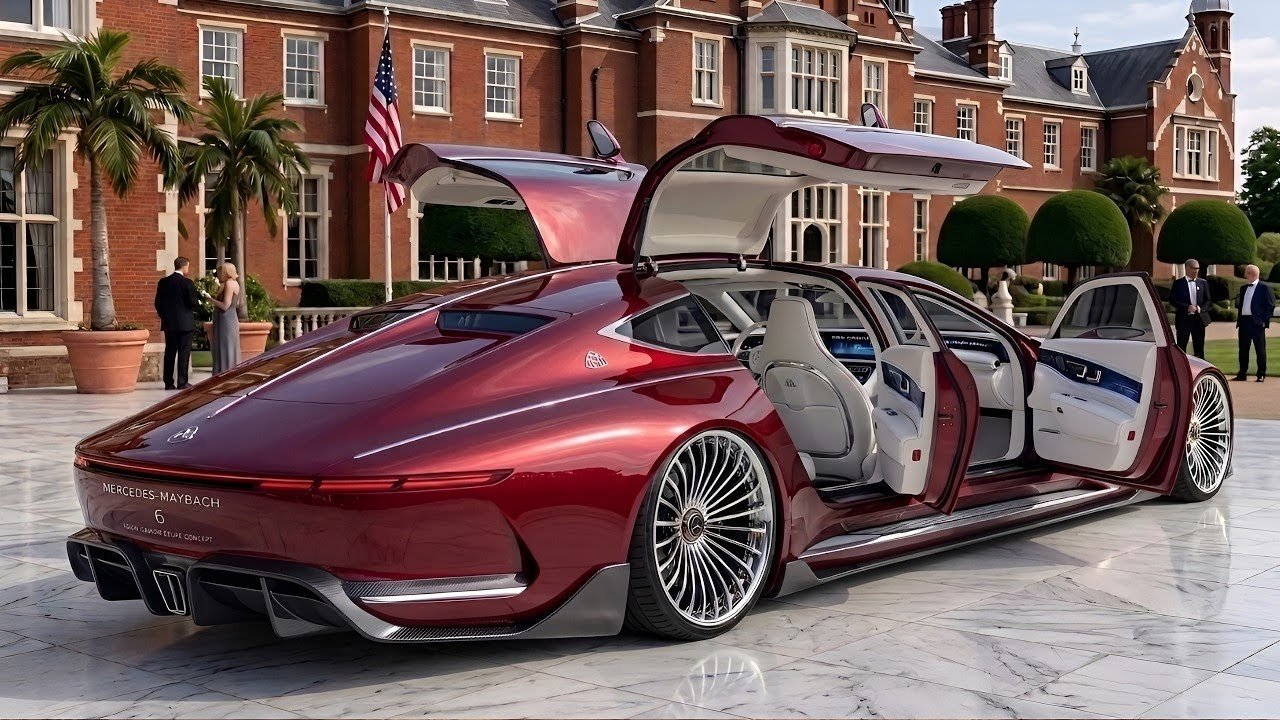
A car qualifies as luxury when its engineering prioritizes ride quality, acoustic isolation, cabin materials, and high-performance power delivery over basic cost-cutting. It isolates passengers from harsh road noise while offering tailored ergonomics, high mechanical refinement, and comprehensive dealer care.
Badges do not create refinement. Instead, specific engineering choices set these vehicles apart:
-
Acoustic glass and acoustic insulation: Heavy sound deadening in wheel arches keeps ambient cabin sound below 62 decibels at highway speeds.
-
Adaptive suspension hardware: Dual-chamber air springs or active hydraulic dampers iron out road cracks before shocks reach the cabin.
-
Superior structural rigidity: High torsional stiffness prevents body flex, squeaks, and dashboard rattles over harsh asphalt.
-
Tactile interior trim: Open-pore woods, machined aluminum switches, and full-grain Nappa hides replace hard-molded plastics.
-
Effortless propulsion: Smooth power plants provide rich, linear torque without engine strain or jerky shifts.
Luxury Cars vs Premium Cars
Many drivers mix up these two labels. Mainstream automakers frequently produce “premium” trims by dressing standard platforms in leatherette and large screens. Authentic high-end models use dedicated platforms engineered specifically for superior balance and ride isolation.
| Feature | Premium Cars | Luxury Cars |
| Chassis Platform | Shared with budget commuter vehicles | Dedicated rear-wheel or all-wheel drive architecture |
| Cabin Acoustics | Standard glass with thin floor dampening | Multi-pane acoustic glass and active noise cancelation |
| Suspension | Standard steel coil springs and passive shocks | Multi-chamber air suspension or active roll stabilization |
| Material Finishes | Synthetic leatherette and painted plastics | Semi-aniline leather, real metals, and genuine unvarnished timber |
| Dealership Experience | High-volume waiting lounges with basic service | Valet pickup, dedicated service liaisons, and private loaner fleets |
Top Luxury Car Brands in 2026
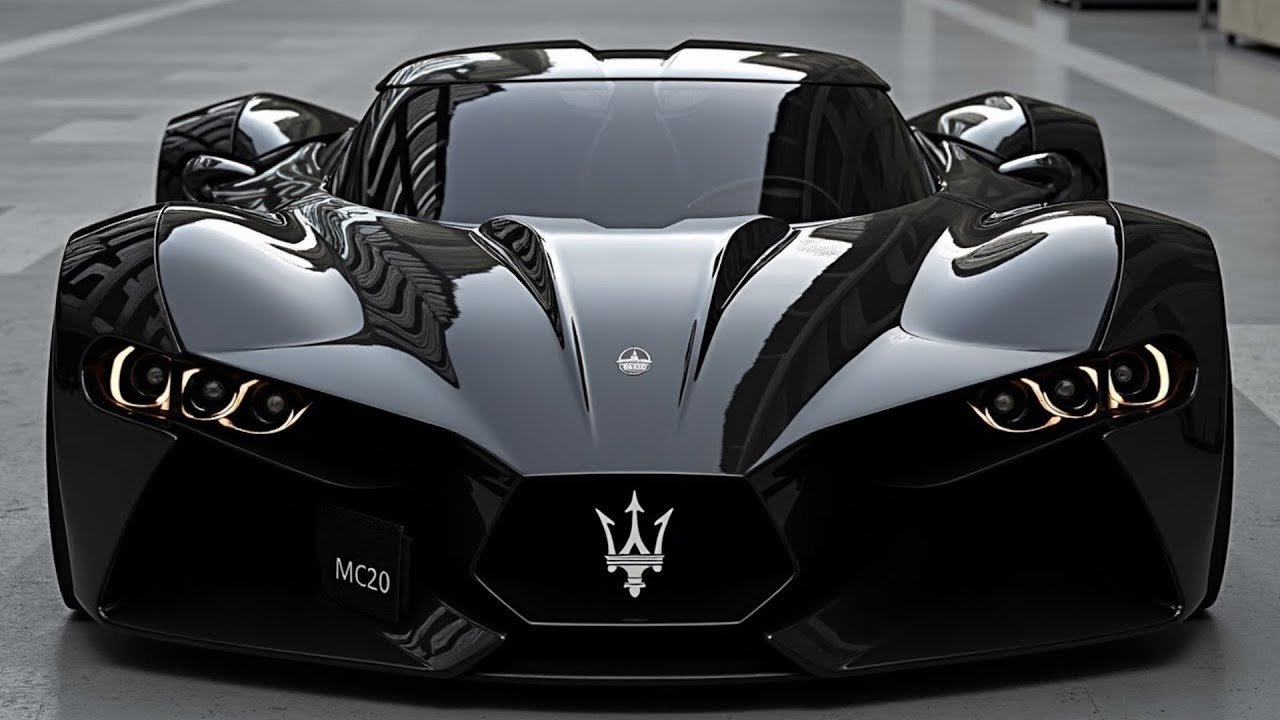
The top luxury car brands in 2026 are Mercedes-Benz, BMW, Porsche, Audi, Lexus, Genesis, Bentley, and Rolls-Royce. These manufacturers lead the global market by consistently delivering exceptional build quality, high customer satisfaction scores, performance engineering, and strong resale value across their vehicle portfolios.
| Brand | Country | Best-Known Model | Starting Price (USD) | Known For |
| Mercedes-Benz | Germany | S-Class | $44,500 | Posh cabin comfort, soft suspension tuning, and executive poise |
| BMW | Germany | 5 Series | $43,800 | Engaging handling balance, sharp steering, and slick transmissions |
| Porsche | Germany | 911 | $65,500 | Benchmark sports car engineering and high track durability |
| Lexus | Japan | RX | $42,500 | Outstanding mechanical reliability and stress-free long-term ownership |
| Audi | Germany | A6 | $43,200 | All-weather Quattro grip and sharp digital dashboard layouts |
| Genesis | South Korea | G80 | $46,000 | Disruptive styling, rich standard equipment, and strong warranty cover |
| Bentley | United Kingdom | Continental GT | $245,000 | Handcrafted timber interiors, muscular twin-turbo engines, and prestige |
| Rolls-Royce | United Kingdom | Ghost | $355,000 | Magic carpet ride compliance, near-silent cabins, and bespoke builds |
How we picked these: We evaluated global sales volume, build consistency, factory warranty backing, and independent brand reliability ratings from J.D. Power’s 2026 U.S. Vehicle Dependability Study.
Types of Luxury Vehicles: Sedans, SUVs, Coupes and EVs
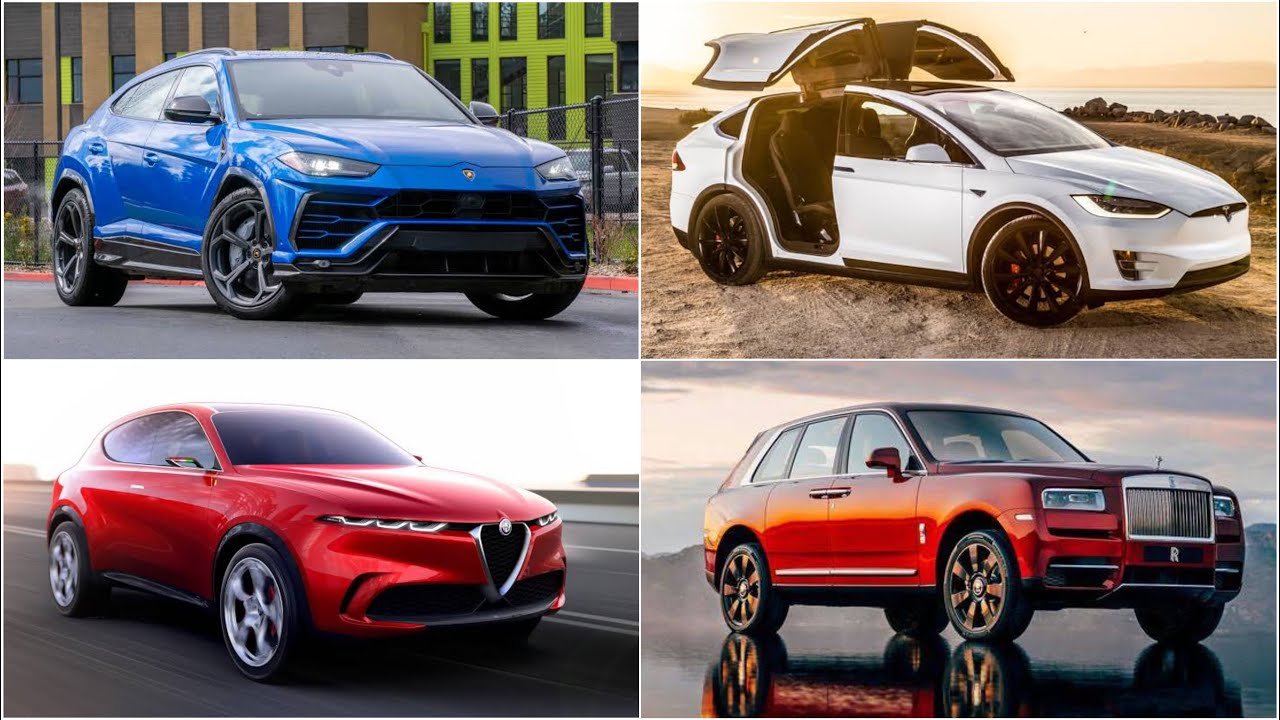
Luxury vehicles span four primary body layouts in 2026: traditional executive sedans, spacious crossovers and SUVs, performance coupes, and all-electric models. Each body style matches distinct driving environments, cargo demands, and lifestyle priorities.
Luxury Sedans
Executive four-door sedans offer balanced weight distribution, low centers of gravity, and optimal aerodynamic efficiency. They slice cleanly through highway crosswinds.
-
Suits best: Business commuters, daily highway drivers, and chauffeur-driven executives.
-
The clear advantage: Exceptional high-speed stability and serene rear passenger seat comfort.
-
The downside: Limited cargo versatility when hauling bulky home items.
-
2026 Fact: Sedans captured 24% of worldwide luxury vehicle sales, based on SMMT 2026 market data.
Luxury SUVs
High-riding crossovers dominate contemporary showrooms thanks to expansive passenger space, commanding outward visibility, and all-weather traction systems.
-
Suits best: Active families, suburban drivers, and owners facing severe winter conditions.
-
The clear advantage: Massive cargo flexibility and effortless entry height for older passengers.
-
The downside: Higher fuel consumption and noticeable lateral body roll in tight corners.
-
2026 Fact: Luxury crossovers accounted for 58% of all luxury automobile registrations in early 2026 (source: J.D. Power Automotive Reports).
Luxury Coupes
Two-door grand tourers emphasize personal expression, emotional exterior sheet metal, and sharp driver engagement over rear-seat utility.
-
Suits best: Driving enthusiasts and empty nesters seeking open-road excitement.
-
The clear advantage: Agile transient responses and head-turning road presence.
-
The downside: Cramped back seats that work mainly as auxiliary luggage shelves.
-
2026 Fact: High-performance two-door grand tourers hold 4% of the premium sector, per SMMT 2026 findings.
Luxury Electric Vehicles (EVs)
Battery-powered luxury cars offer instantaneous, silent torque. Because electric motors lack internal combustion noise, EV cabins stay remarkably calm around town.
-
Suits best: Urban professionals, daily commuters, and buyers with private home-charging setups.
-
The clear advantage: Whisper-quiet acceleration and no visits to corner fuel stations.
-
The downside: Range drops during freezing temperatures, alongside steeper second-hand depreciation.
-
2026 Fact: Luxury electric models secured a 28% market share across high-end deliveries worldwide in 2026, according to the International Energy Agency (IEA).
How Much Do Luxury Cars Really Cost in 2026?

A brand-new luxury car in 2026 costs between $44,000 for a compact entry-level crossover and upwards of $400,000 for an ultra-luxury bespoke saloon. Beyond the window sticker price, total ownership expenses include state registration, heavy first-tier insurance, premium fuel, specialized servicing, and early depreciation.
How to Choose the Right Luxury Car
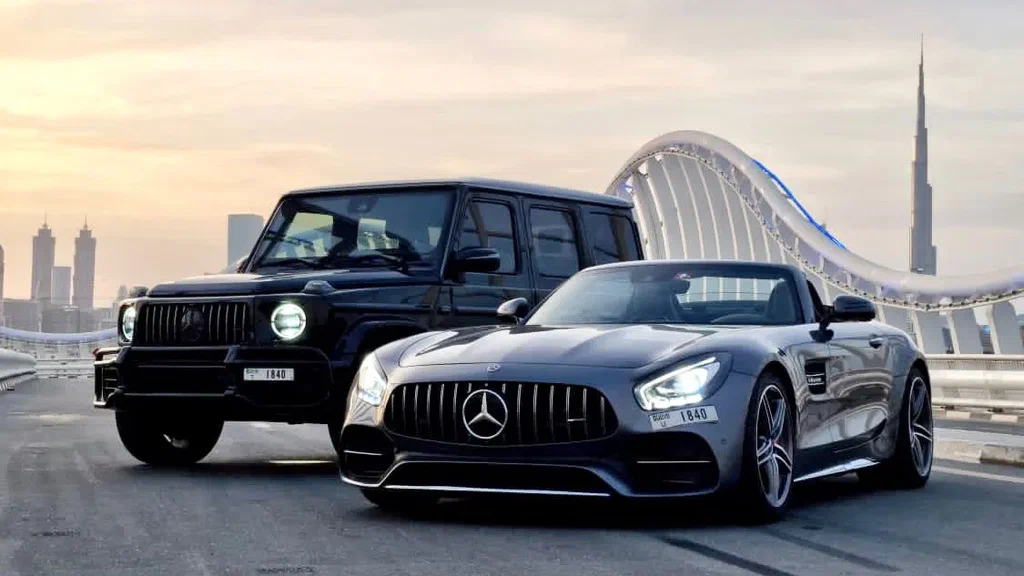
To choose the right luxury car, assess your true daily driving patterns, establish a strict all-inclusive budget, test ride comfort on rough surfaces, and calculate realistic depreciation rates. Compare long-term warranty terms, insurance groupings, and fuel requirements before committing to a final purchase contract.
Work through these six practical steps to avoid buyer’s remorse:
-
Clarify your main driving mission: Do not buy an aggressive, stiff-legged sports coupe if your weekly life involves slow city traffic.
-
Establish a hard ownership spending cap: Restrict total car expenditures—including loans, insurance, and maintenance—to under 15% of your gross monthly income.
-
Test vehicles on broken pavement: Sales reps guide you toward smooth highways. Divert your test drive across railroad crossings and scarred side streets.
-
Scrutinize the digital interface: Test basic climate adjustments while driving. If setting the fan speed forces you through two menu screens, skip that model.
-
Inspect the rear seat headroom: Sit behind your own driving position. Check knee clearance, thigh support, and USB port locations.
-
Quote insurance before you sign: Dial your insurance provider with specific Vehicle Identification Numbers (VINs) to prevent unpleasant policy surprises.
Buying Used Luxury Cars: What to Check
Selecting a pre-owned luxury car can save you tens of thousands of dollars, provided you sidestep neglected mechanical money pits:
-
Verify complete maintenance logs matching the manufacturer’s strict time and mileage intervals.
-
Insist on an independent pre-purchase mechanical inspection (PPI) performed by a dedicated marque specialist.
-
Check air suspension struts for compressor leaks, height sagging, or cracked rubber bellows.
-
Scan onboard electronic control units for stored transmission, cooling system, and sensor fault codes.
-
Prioritize factory Certified Pre-Owned (CPO) vehicles to secure transferable powertrain warranty coverage.
Honest Buyer-Regret Tip: The most common regret we hear from owners after six months is choosing massive 21-inch wheels over thicker tire sidewalls. Those oversized rims look spectacular under showroom spotlights. On real roads, they ruin ride smoothness, generate annoying tire roar, and crack easily on ordinary city potholes.
Luxury Car Trends Shaping 2026
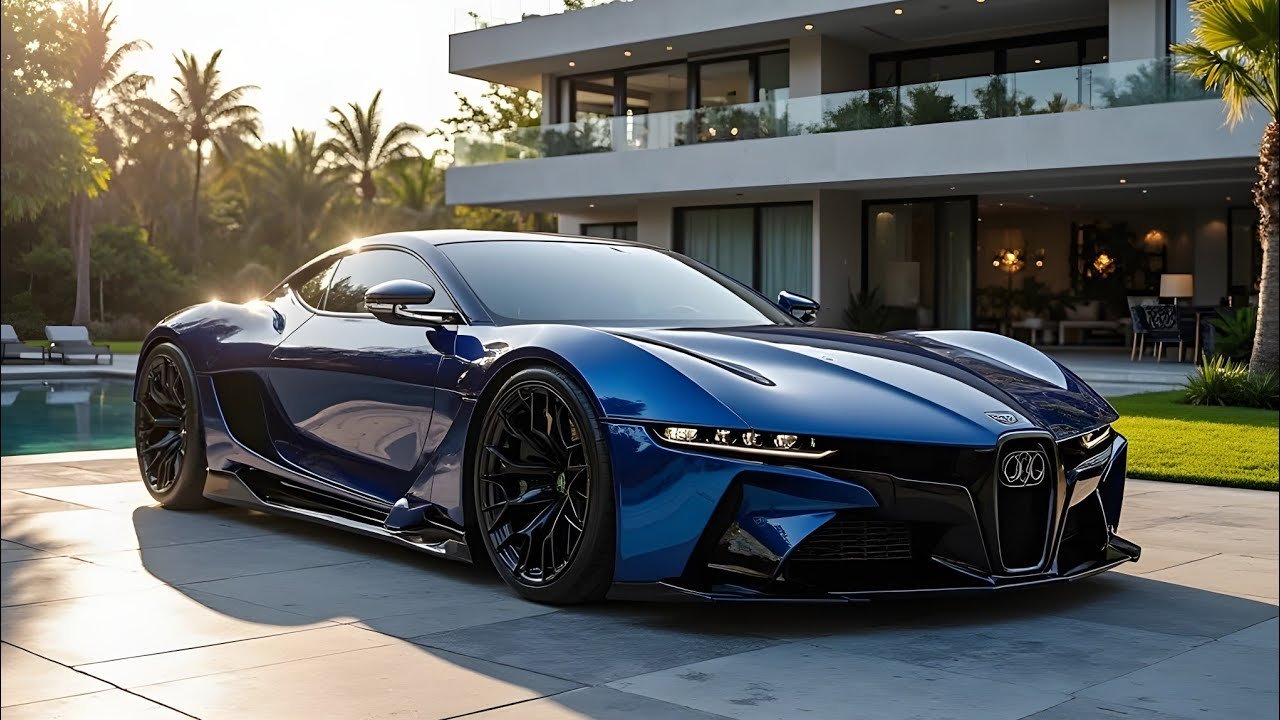
The luxury car market in 2026 is driven by software-defined vehicle architectures, high-density battery technology, human-centric minimalist cabins, and circular interior materials. Modern buyers demand quiet electric power, effortless digital integration, and sustainable cabin trims over old-fashioned mechanical complexity.
Here is what is currently transforming the showroom floor:
-
Solid-State and High-Density Packs: New battery chemistries grant premium electric grand tourers genuine 450-mile road trip autonomy.
-
Physical Switchgear Revival: Brands are walking back all-glass dashboards, reintroducing aluminum knobs for volume and climate controls due to customer pushback.
-
Subscription Hardware Pushback: Buyers are fiercely rejecting monthly access fees for factory-fitted items like heated seats and rear-wheel steering.
-
Sustainable Trims: Recycled ocean plastics, eucalyptus textiles, and flax fiber panels now share space alongside traditional dead-matte wood veneers.
According to the IEA 2026 Global EV Outlook, electric powertrains captured 28% of luxury sector purchases globally this year. Concurrently, SMMT 2026 registration analytics report that luxury hybrid and full-electric variants outsold purely petrol-powered luxury sedans by 14% across top metropolitan markets.
How We Researched This Guide on Luxury Cars
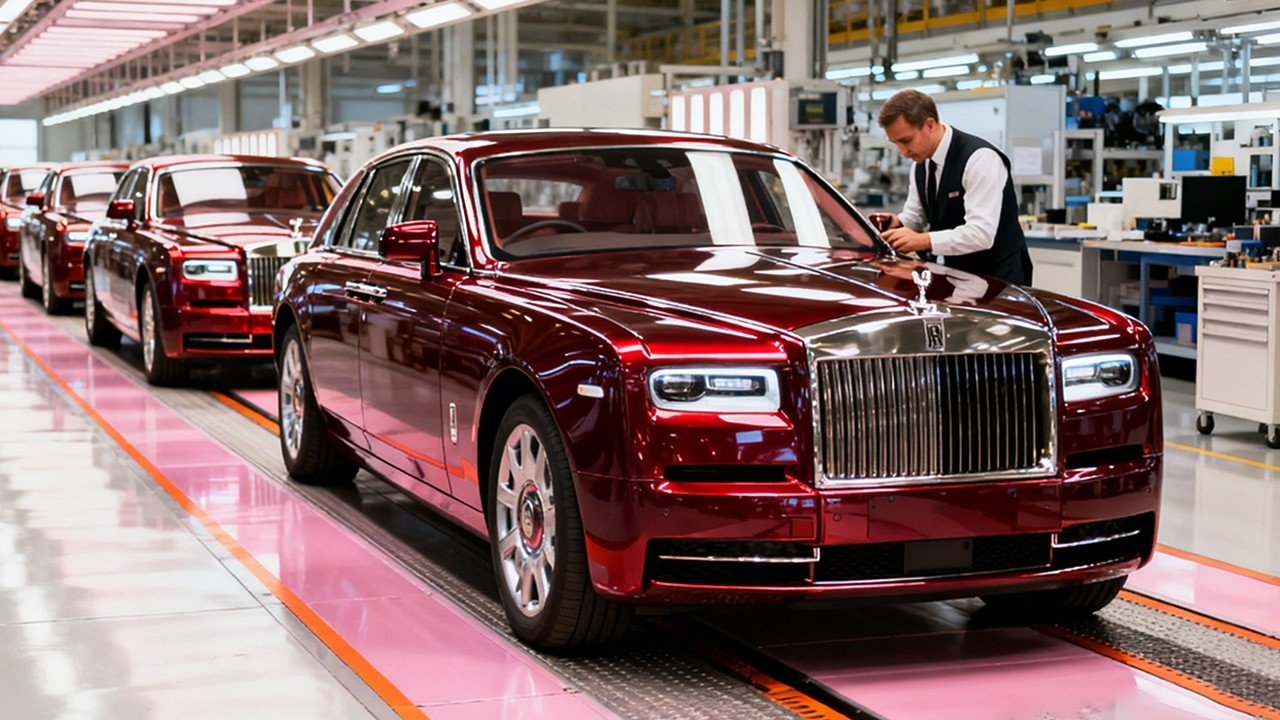
Our BrassSmile editorial methodology combines hands-on seat time, deep specification analysis, and third-party validation from trusted automotive intelligence providers. We cross-reference manufacturer specification sheets against real-world test data, dealer service labor rates, and recorded pre-owned auction prices. This process keeps our BrassSmile evaluations balanced, objective, and grounded in everyday ownership realities.
Research Sources and Verification
Who This Guide Is For
-
Buyers planning to invest $45,000 to $150,000 on their next daily vehicle.
-
Commuters seeking a genuine step up in ride silence, comfort, and interior quality.
-
Used-vehicle shoppers seeking to capture prestige models without absorbing brutal initial depreciation.
Who This Guide Is Not For
-
Shoppers searching strictly for bare-bones, low-budget point-A to point-B transportation.
-
DIY mechanics who prefer tuning carburetors and performing backyard wrenching on simple older cars.
-
Speculative collectors hunting for limited-run supercars or exotic museum investments.
Editorial Independence Disclosure: This guide contains zero paid placements, sponsored vehicle inclusions, or subsidized commercial promotions. Our evaluations are built on independent research and automotive testing.